
Main Courses
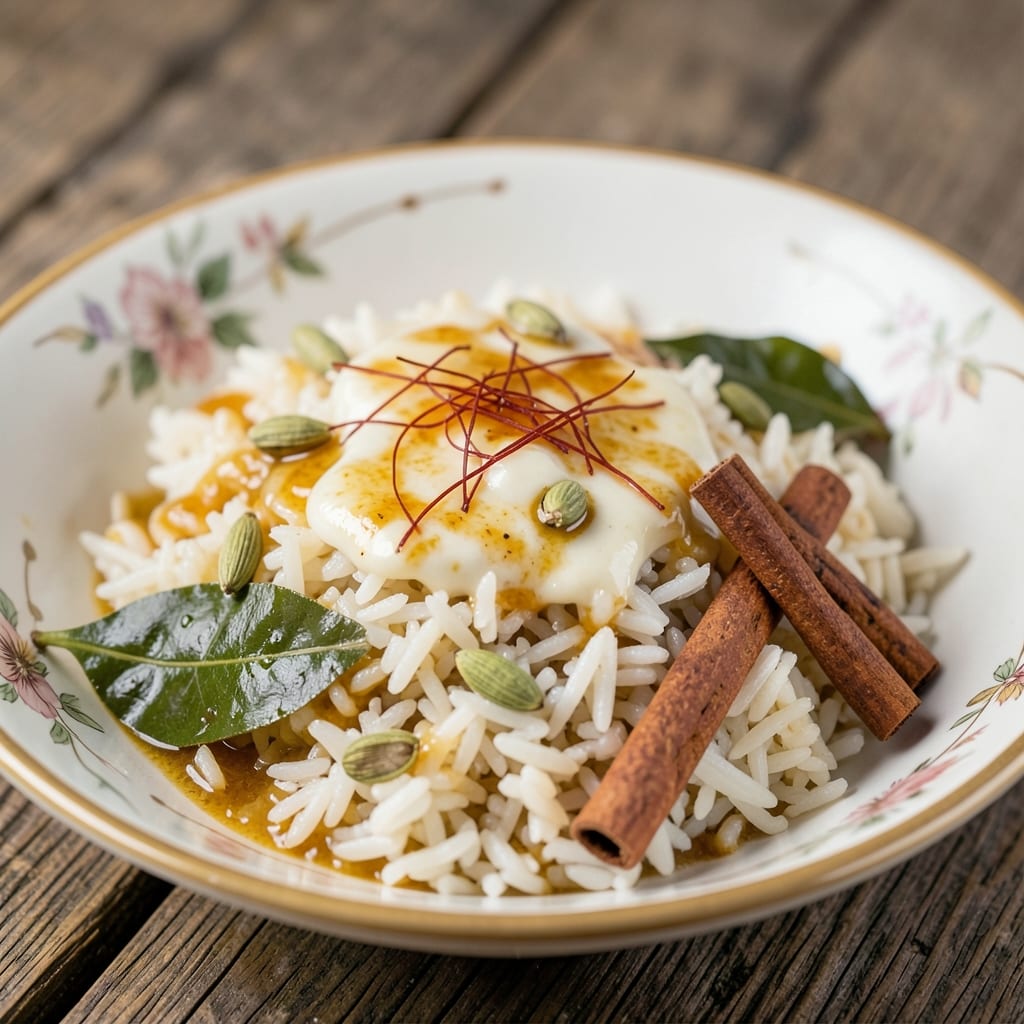
This Anglo-Indian coconut rice recipe brings the aromatic essence of colonial-era Indian cuisine to your kitchen table, where fragrant saffron and toasted spices create a dish that’s both comforting and celebratory. The secret lies in the slow simmering of coconut milk with cardamom and cinnamon, transforming simple basmati rice into something velvety and rich. I first discovered this recipe during a family gathering when my grandmother insisted on serving it alongside a spiced lamb curry—it became an instant favorite, and now I make it whenever I want to recreate that nostalgic, spice-infused warmth.
The magic begins with soaking the rice to achieve that signature fluffy texture, then tempering whole spices in ghee until they release their aromatic oils. This isn’t just rice—it’s a fragrant, creamy masterpiece where every grain is infused with the essence of coconut and toasted spices. The dish pairs beautifully with mild curries, grilled meats, or even as a standalone centerpiece for a vegetarian spread. What makes it truly special is how the spices—cardamom, cinnamon, and a pinch of saffron—work together to create a flavor profile that’s both familiar and unexpectedly luxurious.
What you’ll end up with is a pot of golden, fragrant rice that’s tender yet firm, coated in a delicate coconut cream that’s neither too sweet nor overpowering. The toasted spices add a subtle crunch and depth that elevates the dish beyond ordinary coconut rice. This recipe is perfect for special occasions, family dinners, or even a cozy weeknight treat—it’s the kind of dish that makes you feel like you’re dining in a colonial-era bungalow, where every bite carries a story.
Serve it with a side of raita or a simple dal to balance the richness, and watch as it disappears from the table. The best part? It’s easier to make than you think, and the results are worth every minute of simmering. Let’s get started on creating this fragrant, spice-kissed masterpiece that’s as much about tradition as it is about taste.
Ingredients for anglo indian coconut rice
Here’s what transforms ordinary rice into fragrant, spice-kissed coconut rice—just 11 ingredients for a dish that tastes like nostalgia.
| Ingredient | Amount | Notes |
|---|---|---|
| Basmati Rice 🌾 | 1 cup | Uncooked, long-grain preferred |
| Full-Fat Coconut Milk 🥥 | 1 can | 13.5 oz can, no substitutes |
| Ghee 🧈 | ½ cup | Clarified butter, unsalted |
| Saffron Threads 🧡 | ¼ tsp | High-quality, organic preferred |
| Green Cardamom Pods 🌿 | 6 whole | Lightly crushed, not ground |
| Cinnamon Sticks 🌱 | 2 pieces | 2-inch pieces, not powder |
| Bay Leaves 🍃 | 2 whole | Fresh or dried, not ground |
| Salt 🧂 | 1 tsp | Fine sea salt, kosher preferred |
| Fresh Cilantro 🌿 | ¼ cup | Chopped, stems removed |
| Lemon Juice 🍋 | 1 tbsp | Freshly squeezed |
| Water 💧 | 1 ½ cups | Filtered or bottled preferred |
The spices are where the magic happens. Whole cardamom and cinnamon sticks from Spicewalla or Penzeys give the best aroma—ground spices lose their punch fast. Look for vibrant, moist saffron threads (the more expensive, the better). Ghee is non-negotiable here—it’s what carries those toasted spice flavors. If you’re short on time, Trader Joe’s sells pre-toasted spices, but I always toast mine fresh in a dry pan for 30 seconds—just until fragrant. The coconut milk? Full-fat only—light versions won’t give that creamy texture.
No saffron? Turmeric at half the amount adds color, but you’ll miss that floral depth. Whole spices too expensive? Ground cardamom and cinnamon work in a pinch, but taste them first—some brands are bland. Fresh cilantro? Dried works at double the amount, but it’s not the same. The lemon juice brightens everything—Mexican limes if you can find them, but regular lemons are fine. And if you’re worried about the rice getting mushy, soak it for exactly 20 minutes before draining. That’s the secret to fluffy grains.
This keeps beautifully—3-4 days in the fridge, covered with a damp towel to preserve moisture. Reheat gently with a splash of water or coconut milk—microwave on low to avoid drying it out. The flavors actually improve overnight as the spices meld. I always make extra because it disappears fast. Store leftovers in glass containers—plastic absorbs the coconut aroma. Freezes for 2 months if you wrap it tightly in foil first.
Why You'll Love This Recipe
- One-Pot Magic: I swear by this recipe—just rice, coconut milk, and a splash of ghee, all simmering together. No separate pots, no fussing with layers, and still that perfect texture where every grain is tender but distinct.
- Golden Spice Kiss: That first whiff of saffron and cardamom steeping in warm ghee? Instant mood booster. The coconut milk adds a velvety richness that makes this taste like a hug in a bowl—no heavy spices needed, just pure comfort.
- Weeknight to Party: Between us, this is my lazy Sunday brunch go-to, but it also impresses when company drops by. Serve it with grilled fish or a simple curry, and suddenly you’re hosting a feast without the stress.
- Leftovers That Don’t Suffer: Honestly, I make double batches because it reheats like a dream. The ghee keeps it moist, and the coconut milk prevents that sad, dry rice fate. Plus, it’s cheaper than takeout—win-win.
Step-by-step instructions for Anglo-Indian coconut rice
Here's how to create this aromatic, saffron-infused rice with a perfect balance of toasted spices and creamy coconut.
Toast the Spices in Ghee
In a medium saucepan, melt the 0.5 cup Ghee over medium-low heat. Add the 2 pieces Cinnamon Sticks, 6 whole Green Cardamom Pods, and 2 whole Bay Leaves. Let the spices toast gently for 3-4 minutes until the ghee becomes fragrant and the spices release their aroma.
Watch the ghee carefully—it should bubble gently but not brown. You'll see tiny bubbles form around the spices, and the air will fill with that warm, toasty scent. This step is what gives the rice its distinctive depth of flavor. Remove the pan from heat once the spices are fragrant but not dark.
Bloom the Saffron and Combine Ingredients
Return the pan to low heat and stir in the 0.25 tsp Saffron Threads. Let them bloom for 1-2 minutes until the liquid turns a delicate golden hue. This is the moment that matters—saffron needs gentle heat to release its vibrant color and floral aroma.
Add the 1 cup Basmati Rice to the pan and stir for 1 minute to coat the grains evenly with the spiced ghee. This ensures every bite will be infused with those toasted spices. Then pour in the 1.5 cups Water and bring to a gentle boil.
Cook the Rice to Perfection
Once boiling, reduce heat to low and cover the pan with a tight-fitting lid. Let the rice simmer for 12-15 minutes until the liquid is completely absorbed and the grains are tender but still have a slight bite. You'll know it's ready when the rice pulls away from the sides of the pan and releases easily.
I like to check the rice at the 12-minute mark—if it's still slightly underdone, let it cook another 2-3 minutes. The rice should be moist but not mushy, with individual grains that hold their shape. Resist the urge to peek during cooking—every time you lift the lid, you lose precious steam.
Finish with Coconut Milk and Fresh Herbs
Remove the pan from heat and stir in the 1 can Full-Fat Coconut Milk (open the can and pour in the entire contents). The coconut milk will create a luscious, creamy texture that perfectly complements the spiced rice. Let it sit covered for 5 minutes to allow the flavors to meld together.
Stir in the 1 tbsp Lemon Juice and 0.25 cup Fresh Cilantro, then add the 1 tsp Salt. The lemon juice brightens the dish, cutting through the richness of the coconut and ghee. The cilantro adds a fresh, herbal note that balances the warm spices. Fluff the rice gently with a fork before serving.
Rest and Serve with Confidence
Let the rice rest for 5 minutes before serving. This allows the flavors to settle and the texture to become even more luxurious. The rice should be fragrant with saffron, aromatic with toasted spices, and creamy from the coconut milk.
Serve immediately while still warm. The contrast of the warm, spiced rice with the cool coconut cream makes each bite irresistible. This dish pairs beautifully with grilled meats, seafood, or simply on its own as a comforting centerpiece. The secret to perfect coconut rice lies in those carefully toasted spices and the patience to let everything meld together.
Pro Tips For Making Anglo Indian Coconut Rice
- Bloom the Saffron: Crush those saffron threads between your palms first—it releases more color and aroma into the ghee. I used to just toss them in whole, and the rice never got that golden hue everyone talks about. A quick pinch of warm milk (from the coconut mix) helps too; it wakes up the flavor faster than cold water ever will. ---
- Toast the Cardamom: Lightly fry the green cardamom pods in ghee for 10 seconds until they smell like a spice shop. This isn’t about burning them—just waking up their oils. Skip this, and your rice will taste like it’s missing something, even if the recipe says “add whole.” (Yes, I’ve done that. It’s underwhelming.) ---
- Split the Rice First: Soak basmati rice for 20 minutes, then drain and spread it on a tray to dry the outer layers slightly. This guarantees separate grains instead of a mushy pile. I learned this the hard way after serving coconut rice that looked like porridge—no one wants that, even with coconut milk’s richness. ---
- Simmer, Don’t Boil: Once the coconut milk comes to a gentle simmer, drop the heat to the lowest setting and let it cook uncovered. This keeps the rice from turning gluey while letting the milk reduce slightly for a thicker, creamier texture. I used to walk away and come back to a pot of splattered, watery rice—now I just leave it alone.
Serving suggestions for anglo indian coconut rice
Classic Pairings
Serve this fragrant coconut rice alongside a mild lamb or chicken curry—the creamy coconut balances the richness of the meat beautifully. I always pair it with my grandmother’s yogurt-based raita (mix ½ cup Greek yogurt, 1 tbsp grated cucumber, ½ tsp roasted cumin, and a pinch of salt) to cut through the richness. The cool, tangy contrast makes every bite perfect. 🥗
Protein Pairings
For a vegetarian spread, grilled paneer or tofu with a lemon-tahini drizzle works wonderfully. The smoky char of the grilled protein complements the coconut’s sweetness. If you’re serving seafood, garlic butter shrimp or mango-glazed fish adds a bright, tropical note that elevates the dish. The saffron rice shines as the centerpiece here. 🍤
Beverage Pairings
A masala chai (spiced black tea with cardamom, cinnamon, and ginger) is the ultimate companion—it mirrors the warm spices in the rice while adding caffeine for a cozy finish. For something lighter, sparkling lime soda (like San Pellegrino) cuts through the richness. Avoid heavy, oily drinks—they’ll overpower the delicate coconut aroma. 🍵
Garnish Ideas
Just before serving, sprinkle toasted cashews or fried shallots for extra crunch—about 2 tbsp adds texture without overpowering. A few saffron-infused petals (steep extra threads in warm water, then paint them on top) adds a restaurant-worthy touch. Fresh mint leaves also brighten the dish beautifully. 🌿
Make-Ahead Serving
This rice tastes even better the next day! Reheat gently with a splash of coconut milk or water to restore creaminess. Serve in individual bowls with a side of pickled onions (soak ¼ cup red onions in ½ cup vinegar and 1 tsp sugar for 30 minutes) for a tangy kick. The flavors deepen as the spices meld further. ⏳
Occasion Versatility
Perfect for weeknight dinners (pair with store-bought curry) or special occasions (elevate with homemade lamb shanks). For a festive touch, serve in a clay pot or copper bowl to highlight the golden hue. The dish feels equally at home in a casual kitchen or a formal dining setting—it’s that versatile. ✨
Nutrition facts
Frequently asked questions
Can I substitute coconut milk with another dairy product?
While coconut milk is essential for that signature creamy texture and tropical flavor, you can use full-fat evaporated milk in a pinch—though the dish will lose its authentic coconut aroma. For a dairy-free alternative, try cashew cream (blend soaked cashews with water) for a neutral flavor profile. The rice will still be fragrant, but the richness will be subtly different.
What's the best way to store leftover coconut rice?
Store in an airtight container with a damp paper towel on top to retain moisture. It keeps well in the fridge for 3-4 days, and reheats beautifully with a splash of warm water or coconut milk. For longer storage, freeze for up to 2 months—thaw overnight in the fridge before reheating. The flavors actually deepen over time!
Why does my rice turn out mushy instead of fluffy?
Overcooking or insufficient draining before cooking are the most common culprits. Always soak basmati rice for 20 minutes maximum (no longer!), then drain thoroughly before cooking. Use a heavy-bottomed pot and maintain low heat—lifting the lid too often releases steam and ruins the texture. The rice should be tender but still slightly firm to the bite.
Can I make this recipe without saffron?
Yes! For color, use ½ tsp turmeric (but it won’t have the floral aroma). For flavor depth, add ½ tsp rose water or 1 extra cardamom pod—both enhance the spice profile. The dish will still be delicious, just with a slightly different character. Saffron’s floral notes are hard to replace, but these alternatives work in a pinch.
How do I adjust this for a larger gathering?
Double the recipe using the same ratios, but increase the pot size to 10-12 inches for even cooking. For 8 servings, use 2 cups rice, 2 cans coconut milk, and 3 cups water. Toast spices in 1 cup ghee and divide between two pots if needed. Keep an eye on heat—larger batches need lower, more consistent temperatures to avoid burning.