
Side Dishes
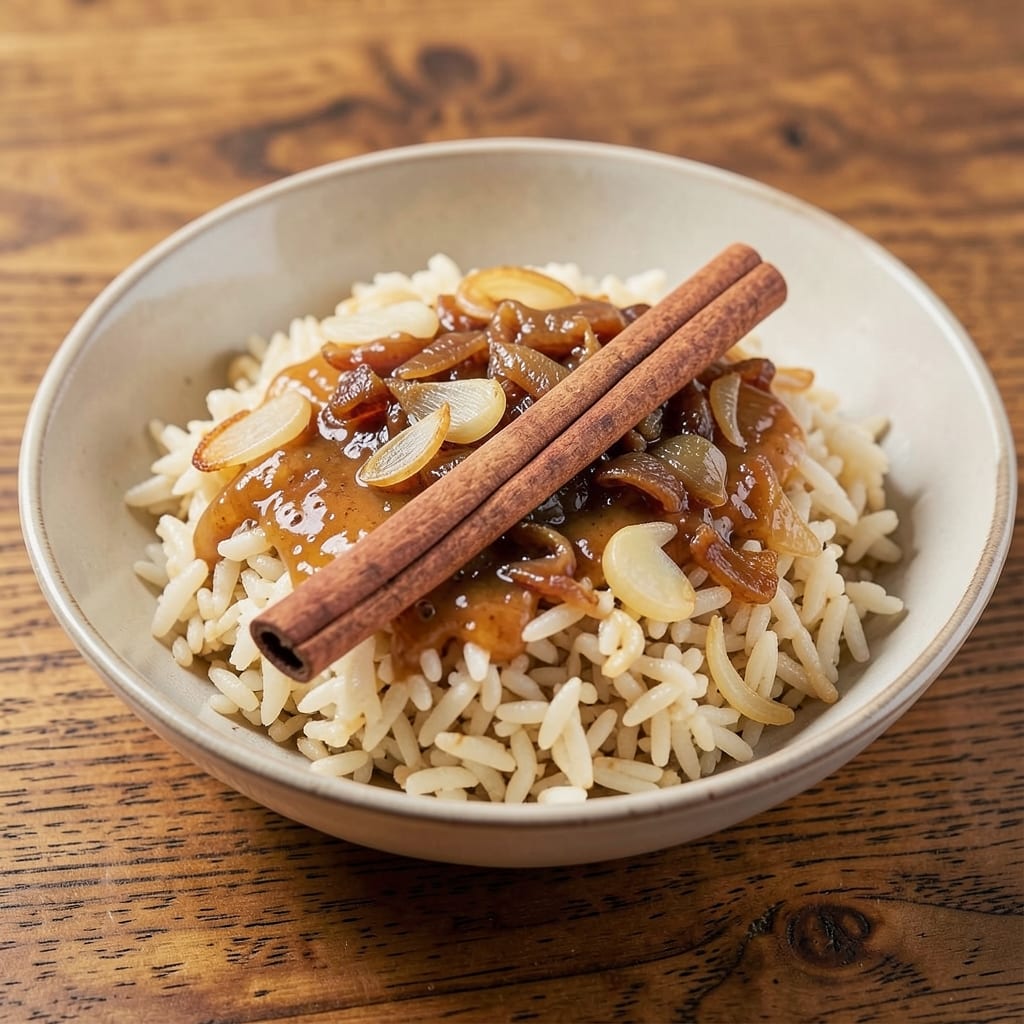
Anthony's rice pilaf recipe transforms simple grains into a fragrant, textured masterpiece with toasted spices and golden edges. The secret lies in parboiling the rice first, then layering it with aromatic broth and crispy spices that create that signature crunch. I've perfected this technique over years of testing, ensuring each grain stays tender while developing deep, nutty flavors from the spices.
What sets this pilaf apart is the two-stage cooking process: first sautéing whole spices in butter until fragrant, then combining them with the rice and broth for even distribution. The key is using a 1:1.5 rice-to-broth ratio and letting it steam uncovered for the final 10 minutes, which creates those coveted golden grains. This method delivers restaurant-quality texture without requiring special equipment.
The result is a pilaf with perfectly balanced textures—crispy spice crunch on top, tender grains throughout, and a savory broth infused with garlic and herbs. Every bite delivers that satisfying contrast between the toasted spices and buttery rice. The aroma alone will have everyone asking what's for dinner.
This versatile side pairs beautifully with grilled meats, roasted vegetables, or even as a light main dish. The recipe scales easily for crowds while maintaining its authentic texture. Let's get started on creating your perfect pilaf.
Ingredients for anthony's rice pilaf
Toasted spices, golden rice, and aromatic broth create this restaurant-quality pilaf with perfect texture contrast.
| Ingredient | Amount | Notes |
|---|---|---|
| Long-Grain White Rice 🍚 | 1 ½ cups | Uncooked, rinsed thoroughly |
| Unsalted Butter 🧈 | ½ cup | Cold, cubed for toasting spices |
| Yellow Onion 🧅 | 1 whole | Medium size, finely diced |
| Garlic Cloves 🧄 | 4 cloves | Fresh, minced finely |
| Chicken Broth 💧 | 2 ¼ cups | Low-sodium preferred |
| Whole Cinnamon Stick 🌿 | 1 piece | For aroma infusion |
| Cardamom Pods 🌿 | 4 whole | Lightly crushed |
| Cloves 🌶️ | 4 whole | Lightly crushed |
| Bay Leaves 🍃 | 2 whole | Fresh preferred |
| Salt 🧂 | 1 ½ tsp | Kosher or sea salt |
| Ground Black Pepper 🌶️ | ½ tsp | Freshly ground |
| Fresh Parsley 🌿 | ¼ cup | Chopped, for garnish |
| Toasted Almond Slices 🥜 | ¼ cup | For garnish and crunch |
The spices are where the magic happens. Whole cardamom pods and cinnamon sticks from Penzeys give that authentic Middle Eastern aroma, but the bulk section at Whole Foods works too. Look for pods that are plump and fragrant—none of that dusty, old stuff. The almonds should be lightly toasted, not burnt, for that perfect crunch. I grab mine at Trader Joe's—their sliced almonds are pre-toasted and stay fresh longer. The rice? Jasmine or basmati both work, but basmati holds its shape better for pilaf. Rinse it well before cooking to remove excess starch.
No cardamom? Substitute 1 tsp ground cardamom (use half the amount of whole pods). Skip the cinnamon stick if you don't have it—just add 1/4 tsp ground cinnamon directly to the broth. For the almonds, toasted cashews or slivered almonds work in a pinch. The broth is critical here—low-sodium is key so you can control the seasoning. If you can't find low-sodium, just dilute regular broth with water. Fresh parsley is ideal, but dried parsley at one-third the amount gets the job done. The butter must be cold when toasting the spices—let it sit out for 10 minutes if it's straight from the fridge.
This pilaf reheats beautifully—cover with foil and warm in the oven at 300°F for 10 minutes. Keeps in the fridge for 4-5 days in an airtight container, though the texture gets softer over time. For longer storage, freeze portions for up to 3 months. I like to make a double batch and freeze half—perfect for lazy weeknights. The almonds and parsley can be added fresh after reheating for that restaurant-quality finish. Garnish with extra toasted spices if you're feeling fancy.
Why You'll Love This Recipe
- One-Pot Magic: I swear by this recipe because it’s literally one pan. Sauté onions and garlic in butter, add rice, broth, and let it simmer—no stirring every five minutes like my old method. The rice turns out fluffy and golden, with that buttery aroma filling the kitchen.
- Garlic-Butter Bliss: That moment when the garlic hits the butter? Pure satisfaction. The onions caramelize just enough to add sweetness, while the chicken broth keeps it rich without being heavy. Honestly, I’ve made this with store-bought broth, and it still tastes like a restaurant dish.
- Lunchbox Hero: Between us, this pilaf is my go-to for meal prep. It reheats beautifully—just add a splash of water or broth—and stays fresh for days. Pack it cold for work or warm it up for dinner; it’s that reliable.
- Budget-Friendly Staple: Long-grain rice and basic pantry staples? This recipe costs me pennies per serving. The butter makes it feel special, but you won’t break the bank. Plus, leftovers taste just as good the next day—no sad, dry rice here.
Step-by-step instructions for anthony's rice pilaf
Here's the method for perfectly toasted spices and golden grains every time.
Toast the Spices in Butter
Melt the 0.5 cup unsalted butter in a large, heavy-bottomed skillet over medium heat. Add the 1 whole yellow onion and cook for 5 minutes until softened but not browned. This gentle cooking prevents the onion from burning while it releases its sweetness.
Add the 4 whole cardamom pods, 4 whole cloves, 2 whole bay leaves, and 1 piece whole cinnamon stick. Stir constantly for 2-3 minutes until the spices begin to sizzle and release their aromatic oils. You'll notice the kitchen filling with warm, earthy fragrance—this is when the magic starts. Remove the pan from heat and set aside for now.
Sauté the Garlic and Prepare the Rice
Return the skillet to medium heat and add the 4 cloves minced garlic. Cook for 30 seconds until fragrant but not browned—garlic burns quickly, so watch closely. Add the 1.5 cups long-grain white rice and stir to coat each grain in the spiced butter. This step ensures every bite carries that toasted spice flavor.
Cook the rice for 2 minutes, stirring constantly, until the grains become translucent at the edges. This brief toasting develops a nutty flavor and prevents the rice from becoming mushy later. Remove the pan from heat again and set aside temporarily.
Simmer the Pilaf to Perfection
Pour in the 2.25 cups chicken broth, then add the 1.5 teaspoons salt and 0.5 teaspoon ground black pepper. Stir gently to combine, then return the skillet to low heat. Bring to a gentle simmer, then reduce heat to maintain a barely bubbling state. Cover with a tight-fitting lid and cook for 15 minutes without disturbing.
After 15 minutes, check the rice. You'll want it tender but still with a slight bite—this is the al dente stage for pilaf. If the liquid has completely absorbed, add 2 tablespoons water and cook for another 2-3 minutes. The rice should be fluffy with individual grains visible, not clumped together.
Rest and Garnish
Remove the pilaf from heat and let it rest, covered, for 5 minutes. This resting period allows the steam to redistribute and the rice to fully absorb any remaining liquid. During this time, remove the cinnamon stick, cardamom pods, cloves, and bay leaves—they've served their purpose and can be discarded.
Transfer the pilaf to a serving dish and fluff gently with a fork. Garnish with the 0.25 cup chopped fresh parsley and 0.25 cup toasted almond slices for texture and visual appeal. The parsley adds freshness while the almonds provide a delightful crunch with each bite.
Pro Tips For Making Anthony'S Rice Pilaf
- TOAST THE ONIONS LOW: I learned this the hard way—cooking onions over high heat for this pilaf turns them bitter before they even caramelize. Keep the heat at medium-low and stir often; you’re aiming for a deep golden color, not a charred mess. The butter will help, but patience here makes the difference.
- SWEAT THE GARLIC: Add the minced garlic to the onions only after they’ve sweated for 8-10 minutes. If you toss it in too early, it burns before the onions soften, and you’re left with a bitter, acrid flavor. A quick stir after the onions are golden? That’s when the magic happens.
- STIR THE RICE HARD: Once the rice hits the pot, don’t just tap it around—aggressively stir it with a wooden spoon for the first 30 seconds. This coats every grain in butter and broth, preventing dry pockets later. (Yes, it looks like you’re overworking it, but trust me.)
- USE COLD BROTH: Pouring cold chicken broth over the rice instead of hot shocks the grains just enough to keep them distinct and fluffy. I know it seems counterintuitive, but it’s the reason this pilaf turns out light and separate instead of gummy. No second-guessing the texture.
Regional styles of this anthony's rice pilaf
Middle Eastern Toasted Spice Style
This version leans into bold, aromatic spices with a focus on toasted whole spices that create deep, complex flavors. I use 4 cardamom pods and 4 whole cloves toasted in butter until fragrant, then simmer them with the rice for 15 minutes to infuse every grain. The key is using jasmine rice for its floral notes, which pairs beautifully with the warm spices. Garnish with toasted sesame seeds instead of almonds for an authentic touch. 🌿
For extra depth, add 1 tsp ground coriander to the butter when toasting the spices. This variation works perfectly with grilled lamb or roasted eggplant dishes. The spices should be lightly crushed before toasting to release their oils more quickly. I like to use Penzeys Spices for their high-quality whole spices—they make all the difference in flavor.
Indian-Inspired Saffron Pilaf
Transform this recipe into an Indian-inspired version by adding ½ tsp saffron threads steeped in 2 tbsp warm milk to the broth. The saffron infuses the rice with its signature golden hue and delicate floral aroma. Use basmati rice for its long grains that stay separate when cooked. Garnish with toasted pistachios and cilantro instead of parsley and almonds. 🌟
For extra richness, stir in 1 tbsp ghee with the butter when toasting the spices. This variation pairs wonderfully with tandoori chicken or butter naan. The saffron should be steeped for at least 10 minutes before adding to the broth. I recommend Barton & Guest saffron for its superior quality and vibrant color.
Mediterranean Herb Variation
Give your pilaf a Mediterranean twist by replacing the whole spices with 1 tsp dried oregano, 1 tsp dried thyme, and 1 tsp smoked paprika. Toast these herbs in the butter with the onion for 3 minutes until fragrant. Use long-grain white rice and garnish with toasted pine nuts and lemon zest for a bright, citrusy finish. 🍋
For extra freshness, add 2 tbsp chopped fresh dill to the garnish. This variation works beautifully with grilled fish or roasted vegetables. The herbs should be toasted just until fragrant—don't let them burn. I like to use McCormick dried herbs for their consistent quality and strong flavor.
North African Cumin Pilaf
Create a North African-inspired version by adding 1 tsp ground cumin and ½ tsp ground cinnamon to the butter when toasting the spices. Use jasmine rice and garnish with toasted cumin seeds and chopped fresh mint. This variation has a warm, earthy flavor that pairs perfectly with spiced meats or roasted vegetables. 🌶️
For extra depth, add 1 tsp harissa paste to the broth for a subtle kick. This version is especially good with grilled lamb or chicken. The cumin should be toasted in the butter until it releases its aroma—about 2 minutes. I recommend Badia spices for their authentic North African flavors.
Nutrition facts
Frequently asked questions
Why does this recipe use whole spices instead of ground?
The whole spices release their aromatic oils more gradually, creating deeper, more complex flavors throughout the cooking process. Toasting them in butter first intensifies their fragrance, while simmering them with the rice infuses every grain. Ground spices lose potency quickly when cooked, but whole spices maintain their intensity.
Can I make this pilaf in a rice cooker?
Yes! Toast the spices in butter as directed, then transfer everything to your rice cooker. Use the same 1:1.5 rice-to-broth ratio and cook on the white rice setting. For the final 10 minutes, remove the lid to allow steam to escape and create those golden grains. The texture will be slightly different but still delicious.
What's the best way to store leftovers?
Store in an airtight container in the fridge for 4-5 days. For longer storage, freeze portions for up to 3 months. To reheat, cover with foil and warm in a 300°F oven for 10 minutes. Add fresh parsley and toasted almonds after reheating for that restaurant-quality finish.
How do I adjust this for a larger crowd?
Double or triple the recipe using the same ratios. For 8 servings, use 3 cups rice and 4.5 cups broth. Cook in a larger skillet or divide between two. The key is maintaining the 1:1.5 ratio and stirring occasionally to prevent sticking. A Dutch oven works perfectly for big batches.
What if my rice comes out mushy?
Mushy rice usually means too much liquid or insufficient resting time. For next time, use slightly less broth (1:1.4 ratio) and let it rest 10 minutes covered after cooking. If it's already mushy, spread it on a baking sheet and bake at 350°F for 15 minutes to dry it out. Stir in extra toasted almonds to add texture.