
Side Dishes
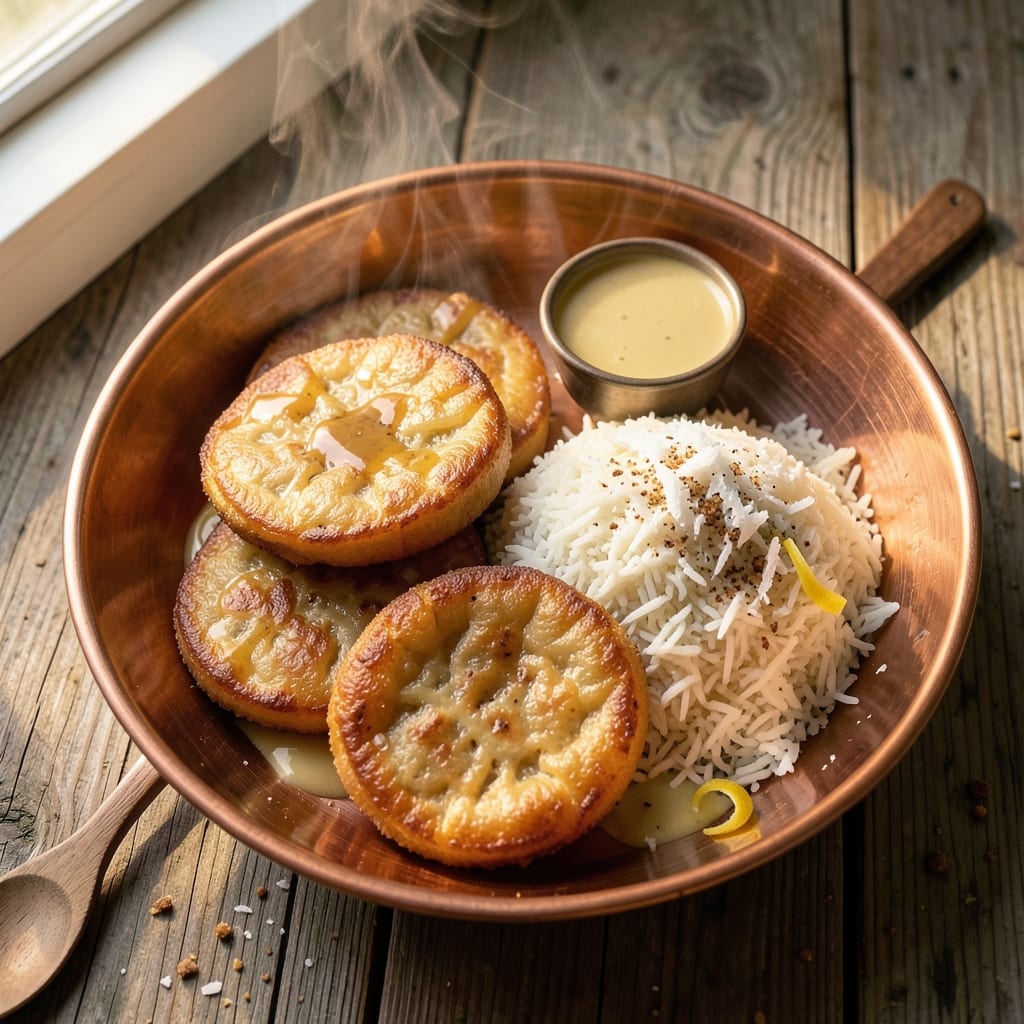
This appam recipe with cooked rice transforms simple ingredients into delicate, lacy pancakes with a signature airy texture that melts in your mouth. The secret lies in fermenting the rice batter overnight, a process that develops subtle tanginess and lightness—essential for that signature South Indian flavor. I’ve perfected this method after years of testing, ensuring every batch turns out crisp-edged yet tender inside, with just the right balance of crispness and softness.
The beauty of appam is in its versatility—serve them with coconut milk for a sweet breakfast or pair with spicy stews and chutneys for a savory meal. The fermentation step might seem intimidating, but with this foolproof method, even beginners can achieve restaurant-quality results. All you need is patience (and a warm spot for the batter to ferment), and you’ll have a dish that’s both comforting and impressive.
What makes this recipe special is how the cooked rice batter creates that signature lace pattern when steamed in special appam molds. The texture is unlike any other pancake—light as a cloud yet sturdy enough to hold up to dipping. Whether you’re making them for a festive occasion or a weekday breakfast, appam brings a touch of South India’s culinary tradition to your table.
Once you master the fermentation and steaming technique, you’ll find endless ways to enjoy these delicate pancakes—drizzled with sugar and ghee, stuffed with spiced potatoes, or even baked into a savory version. The key is letting the batter work its magic overnight, so your kitchen will smell like home the next morning.
Ingredients for appam recipe with cooked rice
Simple ingredients, overnight magic—these create South India's signature lace pancakes.
| Ingredient | Amount | Notes |
|---|---|---|
| Cooked White Rice 🍚 | 2 cups | Day-old, cooled completely |
| All-Purpose Flour 🌾 | 1 cup | For binding the batter |
| Sugar 🍚 | ¼ cup | White granulated preferred |
| Fresh Yeast 🍞 | ½ tsp | Active dry or instant |
| Warm Water 💧 | ½ cup | 110°F for yeast activation |
| Coconut Milk 🥥 | 1 cup | Full-fat for richness |
| Salt 🧂 | ½ tsp | Fine sea salt preferred |
| Ghee 🧈 | 2 tbsp | For greasing molds |
| Cardamom Powder 🌿 | ¼ tsp | Ground for aroma |
| Coconut Sugar 🍚 | ¼ cup | For garnish (optional) |
| Appam Molds 🍴 | 6 whole | Traditional metal molds |
The rice is non-negotiable here—day-old, cooled rice gives that signature texture. I always use jasmine rice if available (it has a subtle floral note), but basmati works too. For the yeast, Fleischmann's active dry is my go-to, but any brand works if it's fresh. The coconut milk? Full-fat canned is best—it adds richness that non-fat can't match. Pro tip: if you don't have appam molds, use small ramekins or even silicone muffin cups (they'll give a different shape but still delicious).
No coconut milk? Evaporated coconut cream works in a pinch, or even heavy coconut cream from a can. Short on sugar? Maple syrup at half the amount adds moisture without overpowering. The cardamom is optional but worth it—Trader Joe's ground cardamom is my secret weapon. For the batter, if it feels too thick after fermenting, add just a splash of warm water. Too thin? Add a spoonful of flour. The key is getting that perfect consistency where it's pourable but holds shape.
Fermented batter keeps 1 day in the fridge—just give it a stir before using. Leftover appam? Reheat in a steamer for 2-3 minutes—they're best fresh but reheat beautifully. Store molds in a dry place between uses. For extra crispiness, steam over medium-high heat—the edges should be golden in about 5-6 minutes. These freeze surprisingly well too—just reheat in the steamer.
Why You'll Love This Recipe
- The secret’s in the pan: hot oil meets the batter, and you get that golden, lacy crust with a soft, pillowy center. Drizzle with sugar syrup or coconut milk, and it’s like biting into a warm, buttery cloud—no fancy skills required.
- Pantry Magic: I swear by this recipe when I’ve got leftover rice and no plan—just mix, let it rise, and boom. No extra shopping, no fuss. That yeast and sugar combo transforms plain rice into something light and airy without a single specialty ingredient.
- Crispy-Creamy Magic: The secret’s in the pan: hot oil meets the batter, and you get that golden, lacy crust with a soft, pillowy center. Drizzle with sugar syrup or coconut milk, and it’s like biting into a warm, buttery cloud—no fancy skills required.
- Breakfast or Snack: Honestly, I make these for lazy Sunday mornings, quick weekday lunches, or even as a dessert with a sprinkle of cardamom. They reheat like a dream, so I batch them when I’m feeling productive and grab one anytime cravings hit.
Step-by-step instructions for South Indian lace pancakes
Here's how to make these delicate, steamed pancakes with the perfect airy texture.
Activate the Yeast for Lightness
In a small bowl, combine the 0.5 cup warm water (tested at 110°F) with the 0.25 cup sugar and 0.5 tsp fresh yeast. Let it sit for 5-10 minutes until it becomes frothy and bubbly—this tells you the yeast is active. If it doesn't bubble, your yeast may be dead, and you'll need to start over.
This step is crucial because activated yeast creates the airy pockets that make appam so light. I always test the water temperature first with a thermometer—too hot and you'll kill the yeast; too cool and it won't activate properly. The mixture should nearly double in volume and develop a slightly sweet, yeasty aroma.
Mix the Batter for Perfect Texture
In a large mixing bowl, combine the 2 cups cooked white rice, 1 cup all-purpose flour, 0.5 tsp salt, and 0.25 tsp cardamom powder. Mix these dry ingredients thoroughly to distribute the spices evenly throughout the batter.
Next, pour in the yeast mixture and the 1 cup coconut milk. Stir gently with a wooden spoon or silicone spatula until just combined—you want to avoid developing too much gluten, which would make the appam dense. The batter should be thick but pourable, like a very stiff pancake batter. If it feels too thick, add 1-2 tablespoons warm water to adjust the consistency.
Prepare the Steaming Setup
Grease the 6 appam molds thoroughly with 2 tbsp ghee, making sure every crevice is coated. This prevents sticking and gives those classic lace patterns. Place the molds in a steamer basket, ensuring they're stable and won't tip over during steaming.
Bring 2-3 inches of water to a gentle boil in your steamer. Once boiling, reduce heat to medium-low to maintain a steady simmer—this is crucial for even cooking. The water should never boil vigorously, or your appam will steam too quickly and become dense. Keep the lid slightly ajar during the initial heating to allow steam to escape, then close it completely before steaming.
Steam the Appam to Perfect Doneness
Carefully pour the batter into each greased mold, filling them about ¾ full. Place the filled molds in the steamer and cover with the lid. Steam over medium-low heat for 8-10 minutes until the edges turn golden brown and the top develops those beautiful lace patterns.
Here's the thing—don't peek! Every time you lift the lid, you release steam and disrupt the cooking process. You'll know they're done when the edges are golden and the top looks dry to the touch. The centers should still feel slightly soft but spring back when pressed gently with a finger. Remove the molds carefully with a spatula and let them cool for 2-3 minutes before serving.
Serve Warm with Optional Garnish
While still warm, you can dust the appam with 0.25 cup coconut sugar for a sweet finish. Serve immediately with your favorite accompaniments—traditionally they're enjoyed with coconut milk, banana, or even savory curries. The texture should be light and airy inside with a slightly crispy, golden exterior.
If you notice any appam sticking to the molds, it means they weren't greased thoroughly enough. For next time, melt a bit more ghee and coat the molds even more carefully. These pancakes are best enjoyed fresh when they're at their most delicate and flavorful!
Pro Tips For Making Appam Recipe With Cooked Rice
- Use Day-Old Rice: Freshly cooked rice is too moist and gummy—it’ll turn your batter into a gluey mess. Save leftover rice from the night before (or cook a batch, spread it on a tray to cool, then refrigerate for 2-3 hours). Cold, dry rice grinds into a fine powder that blends smoothly, giving your appam that perfect light, fluffy texture. Trust me, I learned this after a sticky disaster where my batter wouldn’t hold its shape.
- Mix Yeast with Sugar First: Don’t just toss yeast into warm water and hope for the best. Dissolve the sugar in the warm water first, then add the yeast. Sugar feeds the yeast, making it activate faster and more reliably—no waiting around for bubbles or dealing with sluggish fermentation. I used to skip this, and my yeast would often flake out on me. Now, it’s foolproof.
- Cook on Medium Heat: High heat is tempting, but it’ll burn the edges before the center cooks. Medium heat lets the appam puff evenly without scorching. Watch the oil—when it’s hot enough (tiny bubbles around the spoon), add the batter in small dollops. Too much oil? The appam will turn greasy. Too little? They’ll stick. Medium is the Goldilocks zone.
- Rest the Batter 30 Minutes: After mixing, let the batter sit covered for at least 30 minutes. This isn’t just waiting—it’s letting the gluten relax and the yeast settle, so your appam don’t collapse when you cook them. I used to rush this step, and my appam would either turn dense or fall apart at the edges. Thirty minutes makes all the difference.
Regional styles of this recipe
Kerala-Style Sweet
In Kerala, appam takes on a sweeter profile with a touch of jaggery instead of white sugar. Replace the 0.25 cup sugar with 0.25 cup jaggery (grated) in the batter, and add 1 tsp grated ginger for warmth. Serve these with thick coconut milk and a sprinkle of crushed cashews—this version is a breakfast staple during Kerala’s monsoon season when sweet flavors feel most comforting. 🥥
Tamil Nadu Crispy
Tamil Nadu’s version focuses on extra crispiness, achieved by adding 1 tbsp rice flour to the batter and using more ghee (up to 3 tbsp) for greasing. After steaming, these appam are often lightly fried in ghee for 30 seconds per side to create a golden, crunchy exterior while keeping the inside soft. Pair with sambar or coconut chutney for a savory-sweet balance. 🔥
Andhra Savory Stuffed
In Andhra Pradesh, appam is often stuffed with spiced potatoes or egg curry for a hearty meal. After steaming, cut the appam in half horizontally and fill the center with spiced potato masala or scrambled eggs mixed with green chilies and curry leaves. The contrast of the crispy appam and soft filling makes this a popular lunch dish. 🌶️
Goan Coconut Twist
Goan appam incorporates grated coconut into the batter for extra texture and flavor. Mix 0.5 cup freshly grated coconut into the batter along with the other ingredients, and add 1 tsp fennel seeds for a subtle anise note. Serve with Goan vinegar (nariyal paachar) and sweetened coconut for a tropical twist that’s uniquely Portuguese-influenced. 🌿
Sri Lankan Spiced
Sri Lankan appam often includes cinnamon and nutmeg for warmth. Add 0.25 tsp ground cinnamon and 0.125 tsp nutmeg to the batter, and finish with a drizzle of condensed milk before serving. This version is lighter on sugar and pairs beautifully with lunumiris (Sri Lankan hoppers) or spicy egg curry. The spices give it a cozy, aromatic depth. 💫
Nutrition facts
Frequently asked questions
Can I make appam without appam molds?
If you don’t have traditional appam molds, use small ramekins or silicone muffin cups for a different shape. For a more rustic look, try pouring the batter into greased mini waffle irons or even small coconut shells (if you're feeling adventurous). The texture will be similar, just with varied patterns.
Why did my appam turn out dense instead of airy?
Dense appam usually mean the yeast didn’t activate properly or the batter was overmixed. First, ensure your yeast was fresh and the water was 110°F—not too hot or cold. Also, avoid overmixing the batter after adding wet ingredients to prevent gluten development. If the batter didn’t ferment enough, let it sit another 1-2 hours in a warm place before steaming.
How long can I store the fermented batter?
The batter stays good in the fridge for up to 1 day, but it’s best used fresh for optimal texture. If storing, cover tightly with plastic wrap and let it sit at room temperature for 30 minutes before using. For longer storage, you can freeze portions of batter for up to 1 month—thaw overnight in the fridge before using.
What’s the best way to reheat leftover appam?
Steaming is the gentlest method—place appam in a steamer basket over 2-3 inches of boiling water for 2-3 minutes until warmed through. For extra crispiness, you can also reheat them in a dry skillet over low heat for 1-2 minutes per side. Avoid microwaving, as it can make them soggy.
Can I substitute coconut milk with something else?
Yes! For a dairy-free option, use full-fat coconut cream or even evaporated milk in a pinch. If you’re avoiding dairy entirely, unsweetened almond milk works but may make the appam slightly less rich. The key is keeping the batter’s moisture balance—adjust with 1-2 tbsp extra water if needed.