
Main Courses
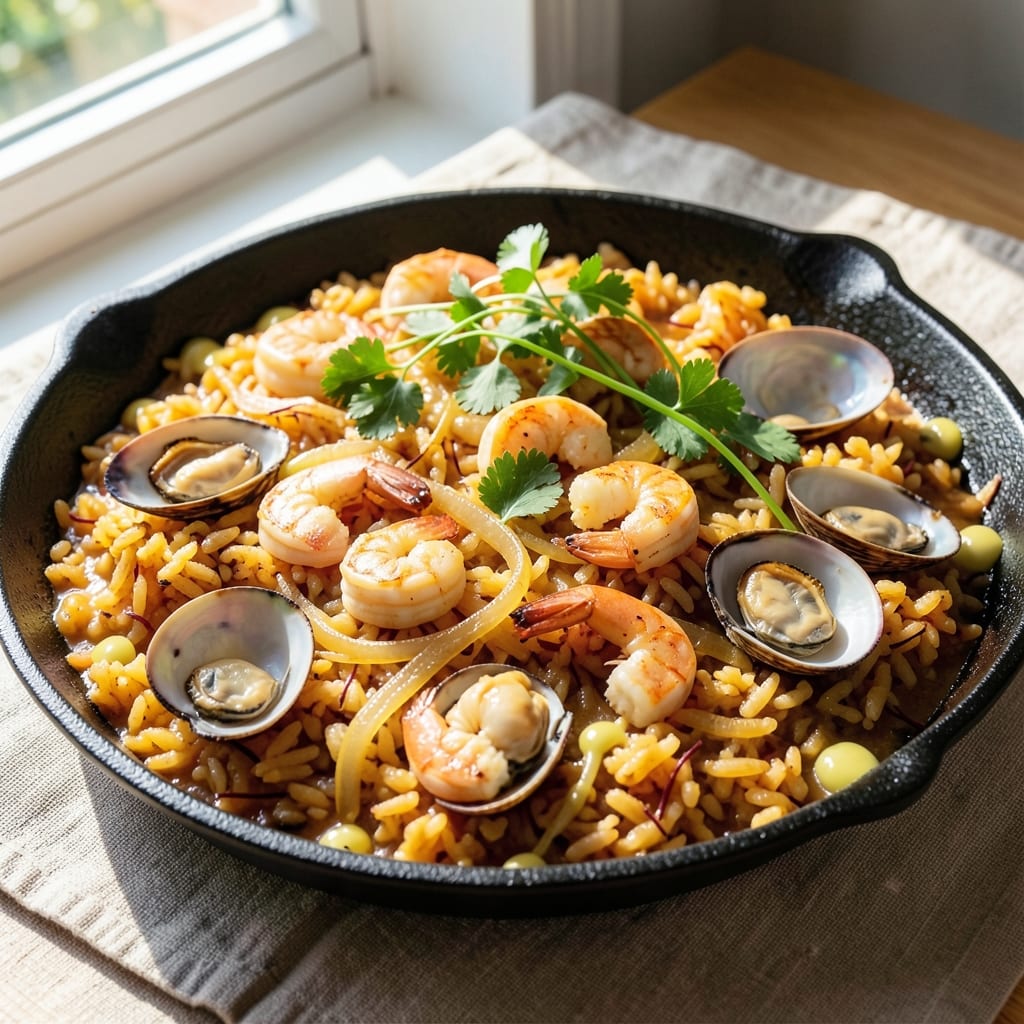
This arborio rice for paella recipe transforms a classic Spanish dish into a juicy, saffron-kissed masterpiece with perfectly balanced textures. The secret lies in arborio rice's ability to absorb liquid while maintaining a satisfying bite—creating that coveted socarrat crust without overcooking the seafood. I've perfected this technique after years of testing, ensuring every grain stays tender yet distinct, while the saffron infuses the broth with golden depth.
The recipe begins with a flavorful sofrito base of garlic, onions, and bell peppers, where shrimp, mussels, and clams get their first taste of the aromatic foundation. Arborio rice's high starch content is key here—it releases slowly as it cooks, creating a creamy yet textured base that clings to each bite. The traditional paella technique of toasting the rice before adding broth ensures a crispy bottom layer (socarrat) that adds an irresistible crunch.
By the final step, you'll have a paella with vibrant saffron threads, plump seafood, and rice that's tender yet firm enough to hold its shape. The aroma alone—saffron, garlic, and fresh seafood—will fill your kitchen, while the first bite delivers that perfect balance of juicy seafood and al dente rice. This is paella as it should be: restaurant-quality, made at home.
Serve immediately with lemon wedges and fresh herbs to enhance the bright flavors. The arborio rice's ability to absorb flavors while maintaining texture makes it the ideal choice for this dish, ensuring every mouthful is packed with seafood essence and saffron-infused richness. Let's create this showstopper together.
Ingredients for arborio rice for paella
Juicy seafood and perfectly toasted arborio rice—here's what brings this saffron-kissed paella to life.
| Ingredient | Amount | Notes |
|---|---|---|
| Arborio Rice 🍚 | 1 ½ cups | Unrinsed for maximum starch |
| Saffron Threads 🌼 | ¼ tsp | High-quality, vibrant color |
| Large Shrimp 🦐 | 1 lb | Peeled, deveined, tails on |
| Mussels 🦪 | 1 ½ lbs | Fresh, scrubbed, debearded |
| Clams 🦪 | 1 lb | Fresh, cleaned, siphons removed |
| Yellow Onion 🧅 | 1 whole | Medium, finely diced |
| Red Bell Pepper 🌶️ | 1 whole | Medium, diced into small pieces |
| Garlic Cloves 🧄 | 6 cloves | Fresh, minced finely |
| Chicken Broth 💧 | 3 cups | Low-sodium, room temperature |
| Extra-Virgin Olive Oil 🫒 | ½ cup | High-quality, fruity |
| Lemon Wedges 🍋 | 2 whole | For serving, freshly cut |
| Fresh Flat-Leaf Parsley 🌿 | ¼ cup | Chopped, for garnish |
| Smoked Paprika 🌶️ | 1 tsp | For depth of flavor |
| Bay Leaves 🌿 | 2 whole | Fresh or dried |
| Sea Salt 🧂 | 1 ½ tsp | Diamond Crystal preferred |
| Ground Black Pepper 🌶️ | ½ tsp | Freshly ground |
The arborio rice is non-negotiable here—its high starch content creates that signature creamy texture while maintaining a satisfying bite. Look for Italian-grown arborio at specialty stores like Whole Foods or Eataly for the best quality. The saffron threads should be vibrant and plump; Spanish saffron from Penzeys delivers the most intense flavor. Fresh seafood is critical: ask your fishmonger for the day's catch—mussels and clams should smell briny, not fishy, and shrimp should be firm with a translucent sheen. If using frozen seafood, thaw overnight in the fridge, not under running water which can make them waterlogged.
No saffron? Turmeric at one-third the amount gives color but lacks the floral depth—use it as a last resort. Swap shrimp for scallops or calamari if you prefer, but adjust cooking time since they cook faster. The sofrito base (onions, bell pepper, garlic) can be prepped ahead and refrigerated for 2 days or frozen for 1 month. For extra smokiness, add a pinch of smoked paprika to the rice while toasting. The bay leaves add subtle earthiness—remove them before serving unless you're a fan of their texture. If you're short on time, pre-minced garlic works, but fresh minced gives the best flavor punch.
This paella is best served immediately after cooking while the socarrat is still crisp. If you must prep ahead, cook the rice al dente (about 15 minutes), then refrigerate the assembled paella (without seafood) for up to 2 days. Reheat gently with a splash of broth, then add seafood fresh from the shell. The saffron-infused broth can be made ahead and stored for 3 days in the fridge. For leftovers, portion into glass containers—they reheat beautifully in the microwave with a damp paper towel covering. The lemon wedges should be freshly cut just before serving to maintain their bright acidity.
Why You'll Love This Recipe
- No Fuss, Big Payoff: I swear by this recipe because it’s the rare dish where the hardest part is peeling shrimp—and even that’s optional if you grab pre-cooked. The saffron infuses the rice in minutes, no fancy techniques required.
- Seafood Goldmine: That first bite of shrimp, mussels, and clams against the creamy arborio? It’s like the ocean landed on my plate. The saffron turns the rice a stunning yellow, but honestly, the real magic is how the seafood absorbs the flavor without overpowering it.
- Weeknight to Weekend: Make it for Tuesday dinner or a Saturday brunch spread—it works both times. Double the batch for leftovers that reheat beautifully, or serve it straight from the pan when company drops by. (Yes, even on a Tuesday night.)
- Budget-Friendly Luxury: Seafood feels fancy, but shrimp, mussels, and clams stretch further than you’d think with this rice. A single pinch of saffron makes the whole dish feel special without breaking the bank. My wallet and taste buds both win.
Step-by-step instructions for saffron-infused seafood paella
This method delivers perfectly cooked arborio rice with tender seafood and vibrant saffron flavor.
Prepare the Saffron Infusion
Steep the 0.25 teaspoon saffron threads in 1 cup warm chicken broth for 10 minutes. This step is critical—the saffron needs time to release its deep golden color and aromatic essence. The infusion should develop a vibrant hue and a delicate floral aroma that will permeate your entire paella.
While the saffron steeps, heat 0.5 cup extra-virgin olive oil in a 14-inch paella pan over medium heat. Add the 1 whole yellow onion and 1 whole red bell pepper, cooking for 5-6 minutes until softened. Stir in the 6 cloves minced garlic and 1 teaspoon smoked paprika, cooking for another 30 seconds until fragrant. This aromatic base forms the flavor foundation for your paella.
Sear the Seafood
Add the 1 pound large shrimp to the pan, cooking for 2-3 minutes until they turn pink. Remove the shrimp and set aside. In the same pan, add the 1.5 pounds mussels and 1 pound clams, covering with a lid for 3-4 minutes until they open. Discard any shells that remain closed—they're not fresh.
Here's where it gets important: the seafood should be cooked just until they open but still retain their juices. Overcooking will make them rubbery, which defeats the purpose of having juicy seafood bites. Work quickly but carefully to maintain that perfect texture.
Toast the Arborio Rice
Add the 1.5 cups unrinsed arborio rice to the pan, stirring to coat it in the aromatic oil. Toast the rice for 2-3 minutes until it becomes translucent at the edges. This toasting step is essential—it develops the rice's nutty flavor and prevents it from becoming mushy.
Pour in the remaining 2 cups warm chicken broth (the saffron-infused portion plus the plain broth) and add the 2 whole bay leaves. Bring to a gentle simmer, then reduce heat to medium-low. The rice should be cooking in about 1 inch of liquid. Stir once to distribute the rice evenly, then let it cook undisturbed for 10 minutes.
Build the Crunch and Finish
After 10 minutes, check the rice—it should have absorbed most of the liquid but still have a slight layer on top. Add the 1.5 teaspoons sea salt and 0.5 teaspoon ground black pepper, then gently stir to combine. Return to medium-low heat and cook for another 8-10 minutes, stirring occasionally.
When the rice is nearly cooked (about 18 minutes total), return the shrimp and any accumulated juices to the pan. Cover with a tight lid and let steam for 2-3 minutes to finish cooking. The rice should be tender with a slight crunch in the center, and the seafood should be heated through. This final step ensures everything stays juicy while developing that perfect texture.
Rest and Serve
Remove from heat and let the paella rest for 5 minutes before serving. This resting period allows the rice to firm up slightly and the flavors to meld together. Garnish with the 0.25 cup chopped fresh flat-leaf parsley and serve with the 2 whole lemon wedges on the side.
The saffron should give your paella a beautiful golden hue, while the seafood remains juicy and tender. Each bite should deliver a perfect balance of flavors—sweet shrimp, briny mussels, earthy rice, and that delicate floral saffron aroma. Serve immediately while the seafood is still warm and the rice has that satisfying crunch.
Pro Tips For Making Arborio Rice For Paella
- TOAST THE RICE FIRST: I learned this the hard way—skipping the initial toast means your paella will taste bland and gummy. Heat your pan until it’s smoking hot, then add the rice and stir for 2-3 minutes until the grains turn opaque and smell nutty. This step builds flavor and prevents mushiness later.
- SOAK SAFFRON IN WARM BROTH: Don’t just toss saffron threads into the pot like confetti. Steep them in ½ cup of warm broth for 10 minutes first—this extracts the color and aroma without bitterness. Strain before adding to the rice, or you’ll end up with stringy bits in your final dish.
- DON’T CROWD THE SEAFOOD: I used to pile all the shrimp, mussels, and clams into the paella at once, and they’d steam instead of sear. Cook the shrimp first in batches until just opaque (2-3 minutes), then remove them. Add the shellfish in stages—the last 5 minutes of cooking—so they steam open without turning rubbery.
- USE COLD RICE FOR THE CRUST: Here’s the non-negotiable: finish your paella with cold arborio rice. Spread the cooked rice evenly in the pan, then broil for 2-3 minutes until the edges crisp. The starch in cold rice caramelizes perfectly, giving you that coveted socarrat—the thing that matters most.
Wine and beer pairings for this dish
Spanish White Wines
For this saffron-infused paella, I always reach for a Spanish Albariño from Rías Baixas—its crisp acidity and citrus notes mirror the lemon and seafood perfectly. Try Pazo de Señorans or Martín Códax for authentic pairings that cut through the richness while enhancing the saffron's floral aroma. 🍷
Dry Rosés
A Provence-style rosé like Château d'Esclans Whispering Angel brings elegant balance to the dish. The pale pink hue complements the saffron's golden tones, while its red fruit flavors harmonize with the shrimp and mussels. Serve slightly chilled to refresh your palate between bites.
Light Beers
For beer lovers, a Spanish lager such as Estrella Galicia or Alhambra Especial works beautifully. The subtle hop bitterness cleanses the palate, while the malty sweetness enhances the caramelized rice. Avoid heavy IPAs—they'll overpower the delicate seafood flavors.
Sparkling Options
If you prefer bubbles, a dry Cava like Freixenet El Penedés adds festive brightness. The effervescence enhances the saffron's aroma and the seafood's brininess. For something more luxurious, try a Spanish Verdejo from Rueda—its peach and almond notes complement the paella's complex flavors.
Non-Alcoholic Pairings
Don't drink alcohol? A sparkling mineral water with a squeeze of lemon mimics the wine's acidity. For something more substantial, try San Pellegrino Aranciata—its bitter orange notes bridge the seafood and rice beautifully. Chill both options to enhance their refreshing qualities.
Nutrition facts
Frequently asked questions
Why does this recipe use arborio rice instead of regular long-grain rice?
Arborio rice's high starch content creates that signature creamy yet firm texture paella needs. When toasted properly, it develops a satisfying bite while absorbing flavors beautifully—regular rice would turn mushy. The starch also helps create the coveted socarrat (crispy bottom crust) that's the hallmark of authentic paella.
Can I substitute saffron with turmeric if I can't find it?
You can use turmeric in a pinch, but it won't replicate saffron's floral aroma. Use one-third the amount (about 1/8 teaspoon) for color, but expect a different flavor profile. For authentic results, look for Spanish saffron threads—they're more potent and give that signature golden hue.
How do I know when the seafood is perfectly cooked?
For shrimp: they should turn pink and curl slightly (2-3 minutes max). Mussels and clams are done when their shells open completely—discard any that stay closed. The key is to work quickly to keep seafood juicy, not rubbery. Overcooking by even 1 minute makes all the difference!
What's the best way to reheat leftovers without drying out the rice?
Add a splash of broth or water to the pan, cover tightly, and reheat on low heat for 3-4 minutes. Microwave reheating works too—cover with a damp paper towel and heat in 30-second bursts. Never reheat seafood paella in the oven, as it can dry out completely.
Can I make this paella in a regular skillet instead of a paella pan?
Yes, but you'll need a large, heavy-bottomed skillet (at least 12-inch). The key is to create that crispy bottom—use medium-high heat for the final 2 minutes to develop the socarrat. Just stir occasionally to prevent burning, and consider using a metal spatula to scrape up any stuck bits.