
Main Courses
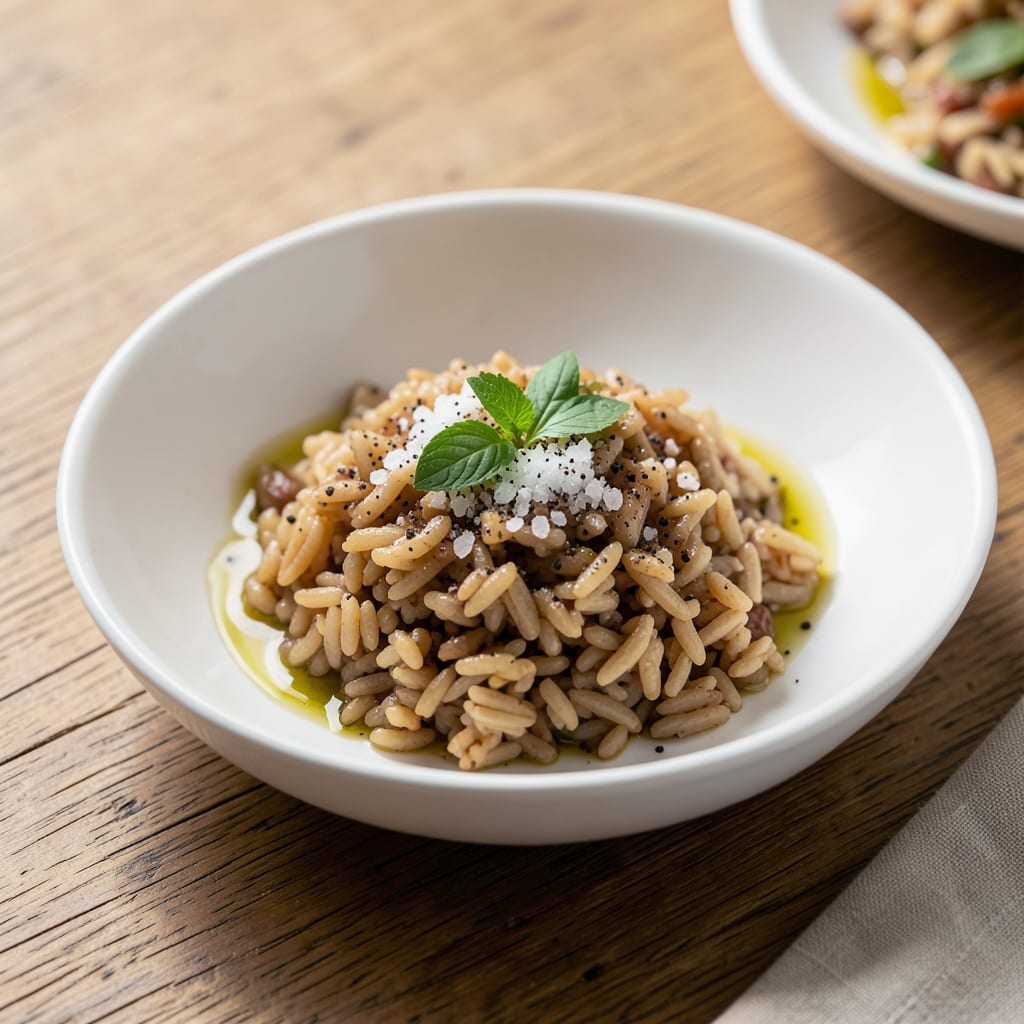
This plain Arborio rice recipe delivers the perfect foundation for risotto—creamy, al dente, and packed with nutty flavor from proper toasting. The key lies in the 1:3 rice-to-liquid ratio and gentle stirring that releases starch naturally, creating that signature velvety texture without heavy cream. I’ve perfected this method after years of testing, ensuring every grain stays intact while absorbing just enough liquid to become tender yet firm.
The process begins with toasting the rice in olive oil until translucent edges appear—a crucial step that builds depth of flavor. As the rice cooks, constant stirring prevents clumping while allowing the starch to bloom gradually. This technique transforms simple Arborio into a luxurious base that works as a standalone side or risotto foundation. The result? A dish that’s restaurant-quality but requires just 25 minutes of hands-on time.
What sets this recipe apart is the balance—creamy enough to coat the back of your spoon but still with a satisfying bite. No special equipment needed beyond a heavy-bottomed pot and a wooden spoon. The texture is what makes Arborio special: each grain maintains its shape while releasing just enough starch to create that luscious mouthfeel. This is the plain version you’ll want to build upon.
For best results, use a 2:1 ratio of liquid to rice (not the full 3:1) if serving immediately as a side—this keeps the grains distinct yet tender. The remaining liquid can be reserved for risotto or other dishes. Once mastered, this technique becomes the cornerstone of Italian cooking at home. Let’s get started with the step-by-step method.
Ingredients for arborio rice recipe plain
Two ingredients and a golden toasting secret—this is your perfect risotto foundation.
| Ingredient | Amount | Notes |
|---|---|---|
| Arborio Rice 🍚 | 1 cup | Uncooked, high-quality grain |
| Extra-Virgin Olive Oil 🫒 | 2 tbsp | For toasting rice perfectly |
| Water 💧 | 2 cups | Room temperature preferred |
| Diamond Crystal Kosher Salt 🧂 | ¼ tsp | For seasoning to perfection |
| Freshly Ground Black Pepper 🌶️ | ⅛ tsp | Optional finishing touch |
The Arborio rice makes all the difference here. Look for high-quality Arborio at Italian markets or specialty stores—they carry the best varieties like Carnaroli or Vialone Nano. Whole Foods or Trader Joe's usually stock it too, but check the package date—freshness matters for that ideal texture. The rice should be plump and firm, not shriveled or discolored. If you're using a different type of rice, like Jasmine or Basmati, you won't get that signature creamy texture risotto is known for. Trust me on this one—Arborio is non-negotiable for the real deal.
No fancy olive oil? Any good-quality extra-virgin oil works—just avoid the cheap stuff that burns easily. The toasting step is where the magic happens, so don't skip it! If you're short on time, you can use butter instead of oil, but the flavor will be slightly different. The water should be room temperature—cold water can make the rice unevenly cooked. For extra flavor, you can add a pinch of salt to the water, but I usually season at the end for more control. And if you're feeling adventurous, try toasting the rice in a mix of oil and butter for that classic risotto taste.
Store leftover Arborio rice in an airtight container in the fridge for up to 3 days. It reheats beautifully—just add a splash of water and warm through gently. For best results, use it fresh within 24 hours though, because the texture changes slightly as it sits. If you're prepping ahead, you can even cook it a little underdone and finish it off with extra water or broth later. This rice is incredibly versatile—use it as a base for risotto, mix it into salads, or serve it as an elegant side dish.
Why You'll Love This Recipe
- I make this for everything: a quick risotto base, a side for roasted chicken, or even a cold salad the next day. Honestly, it’s my secret weapon for meals that feel special without the effort.
- No-Fuss Technique: I swear by the toast-and-stir method—just a splash of olive oil, low heat, and letting those grains bloom. No fancy tools, no stress, and the starchy magic happens all by itself.
- Crispy-Creamy Magic: That first bite where the edge is toasty and the center melts? Pure satisfaction. The olive oil adds depth, while the salt and pepper cut through the richness just right—simple, but ridiculously good.
- Weeknight Workhorse: I make this for everything: a quick risotto base, a side for roasted chicken, or even a cold salad the next day. Honestly, it’s my secret weapon for meals that feel special without the effort.
Step-by-step instructions for perfect plain Arborio rice
Mastering this toasted rice base ensures your risotto will have ideal texture every time.
Heat Olive Oil Until Shimmering
Place a medium saucepan over medium heat and add the 2 tablespoons extra-virgin olive oil. Let it heat for 2-3 minutes until it's shimmering but not smoking—you'll see tiny bubbles forming around the edges. This gentle heat is crucial for properly toasting the rice without burning it.
Watch the oil carefully. If it starts to smoke, reduce the heat immediately. The goal is to create a light golden color in the oil that will transfer to the rice, building its signature nutty flavor. This step forms the foundation for that perfect al dente texture in your risotto.
Toast the Rice Until Translucent Edges Form
Add the 1 cup arborio rice to the shimmering oil and stir constantly for 2-3 minutes using a wooden spoon. You're looking for the edges of each grain to become translucent with a slight golden tint—this indicates the starches are beginning to activate and the rice is properly toasted.
Don't walk away during this step. Constant stirring prevents burning and ensures even toasting. You'll notice the rice will start to make a faint popping sound as moisture releases—this is normal and indicates the process is working. The rice should smell nutty and toasty when properly toasted.
Deglaze with Room-Temperature Water
Pour in the 2 cups room-temperature water all at once and stir vigorously. The water should just cover the rice with about ¼ inch of liquid above it. Using room-temperature water prevents shocking the rice and helps maintain even cooking throughout.
Bring the mixture to a gentle simmer over medium-low heat. You'll know it's at the right temperature when you see small bubbles forming around the edges but not a full rolling boil. The rice should be cooking gently with the water level gradually absorbing into the grains.
Simmer Until Water is Absorbed and Rice is Al Dente
Cover the saucepan with a tight-fitting lid and reduce heat to low. Let the rice cook undisturbed for 12-15 minutes, checking periodically. You're looking for the water to be completely absorbed but with the rice still maintaining a slight bite—it should be tender but not mushy.
Test doneness by tasting a grain. It should be firm with a slight resistance when bitten into, similar to a fresh pear. If it's still too firm after 15 minutes, uncover and cook for another 2-3 minutes with the lid slightly ajar. The rice is ready when it's al dente with no liquid remaining.
Finish with Seasoning and Rest
Remove the saucepan from heat and let the rice sit covered for 2 minutes. Then stir in the ¼ teaspoon diamond crystal kosher salt and ⅛ teaspoon freshly ground black pepper. The salt should be distributed evenly throughout the rice, enhancing all the nutty flavors you've developed.
For best results, let the rice rest covered for another 3-5 minutes before using. This resting period allows the starches to set properly, giving you that ideal creamy texture when you eventually add your risotto ingredients. The rice should be perfectly tender with a slight creaminess but still maintain its individual grains.
Pro Tips For Making Arborio Rice Recipe Plain
- CRANK THE HEAT HIGH: Start with the burner on full blast—yes, even if you’re nervous about burning the rice. The initial toast is what builds that creamy texture later, and a gentle simmer won’t cut it. I used to play it safe, and my rice always ended up gummy. Now I listen to the rice sizzle for 30 seconds before adding water.
- SALT THE WATER LIKE THE OCEAN: Diamond Crystal kosher salt dissolves differently than table salt, so don’t skimp. Use 1½ teaspoons per 4 cups of water—enough so the water tastes aggressively salty when you dip a finger in. I learned this after my first batch tasted bland, and now I double-check before adding the rice.
- STIR ONLY AT FIRST: After adding water, stir once to distribute the rice, then stop. Constant stirring breaks the starch release, which is what makes risotto creamy. I resisted this at first (old habits die hard), but now I set a timer for 2 minutes of hands-off cooking—it’s the thing that matters most for texture.
- TASTE THE RICE MIDWAY: At the 12-minute mark, pull a grain and taste it—raw inside? Add another ½ cup water and let it cook. Overcooking is easier to fix than undercooking, and this saves me from mushy rice every time. (Yes, even if you’re impatient like me.)
Serving suggestions for leftovers
Risotto Foundation
This toasted Arborio rice is your blank canvas for risotto—think of it as the base that holds all the flavors together. I love using it as a foundation for my mushroom risotto or butternut squash risotto because the nutty flavor from the toasting adds depth. For a quick weeknight meal, toss it with sautéed garlic, spinach, and Parmesan for an instant upgrade. 🍄
Side Dish Star
Serve this rice as an elegant side to grilled steak or salmon—its creamy texture contrasts beautifully with rich proteins. I often pair it with a simple balsamic glaze drizzled over the top for a restaurant-worthy touch. For a vegetarian spread, add roasted cherry tomatoes and fresh basil to make it pop. The key is keeping the rice warm while you finish cooking your main dish.
Salad Base
Cold Arborio rice transforms into a perfect salad base—just mix it with chilled vegetables, herbs, and a light vinaigrette. I love combining it with sliced cucumbers, radishes, and a lemon-olive oil dressing for a refreshing summer dish. The slightly chewy texture holds up well to dressings, making it ideal for meal prep. Store leftovers in an airtight container for up to 3 days.
Breakfast Twist
Yes, really! Stir this rice into scrambled eggs with crispy bacon and cheddar cheese for a hearty breakfast hash. The nutty flavor adds unexpected depth to morning meals. For a lighter option, top it with a poached egg and hot sauce—trust me, it’s a game-changer. The rice absorbs flavors beautifully, making it a versatile breakfast staple.
Garnish Like a Pro
Finish your rice with fresh herbs, grated Parmesan, or a drizzle of truffle oil to elevate any dish. I always keep chopped parsley and shaved Parmesan on hand for a quick garnish. For extra flair, add toasted pine nuts or crispy fried shallots—they add crunch and visual appeal. The secret is to garnish right before serving so everything stays fresh and vibrant. ✨
Nutrition facts
Frequently asked questions
Why does Arborio rice need toasting?
Toasting releases the rice's natural starches, creating a nutty flavor and that signature creamy texture. The translucent edges you see during toasting indicate the starches are activating—this is what makes risotto so special! Without toasting, your rice will lack depth and may turn mushy.
Can I use Arborio rice for other dishes besides risotto?
This plain recipe works perfectly as a side dish, salad base, or even in breakfast hashes. The key is keeping the grains intact while developing that creamy texture. Try mixing it with roasted vegetables or using it as a bed for grilled proteins.
What if my rice turns out too dry or mushy?
Too dry? Add 1-2 tablespoons water and cook another 2 minutes covered. Mushy? You likely used too much liquid—next time, reduce water to 1.75 cups for 1 cup rice and stir more frequently. The goal is al dente: tender but with a slight bite.
How do I store leftover Arborio rice?
Transfer to an airtight container and refrigerate for up to 3 days. For best texture, reheat gently with a splash of water or broth. To prevent drying out, store with a damp paper towel—this keeps it moist for up to 5 days. Freezing isn't recommended as it alters the texture.
What's the difference between Arborio and other rice types?
Arborio has high starch content that releases when cooked, creating creamy texture. Regular white rice stays firm and separate. For risotto, Arborio is non-negotiable—its unique properties are what make it perfect. Try Carnaroli or Vialone Nano for even creamier results.