
Main Courses
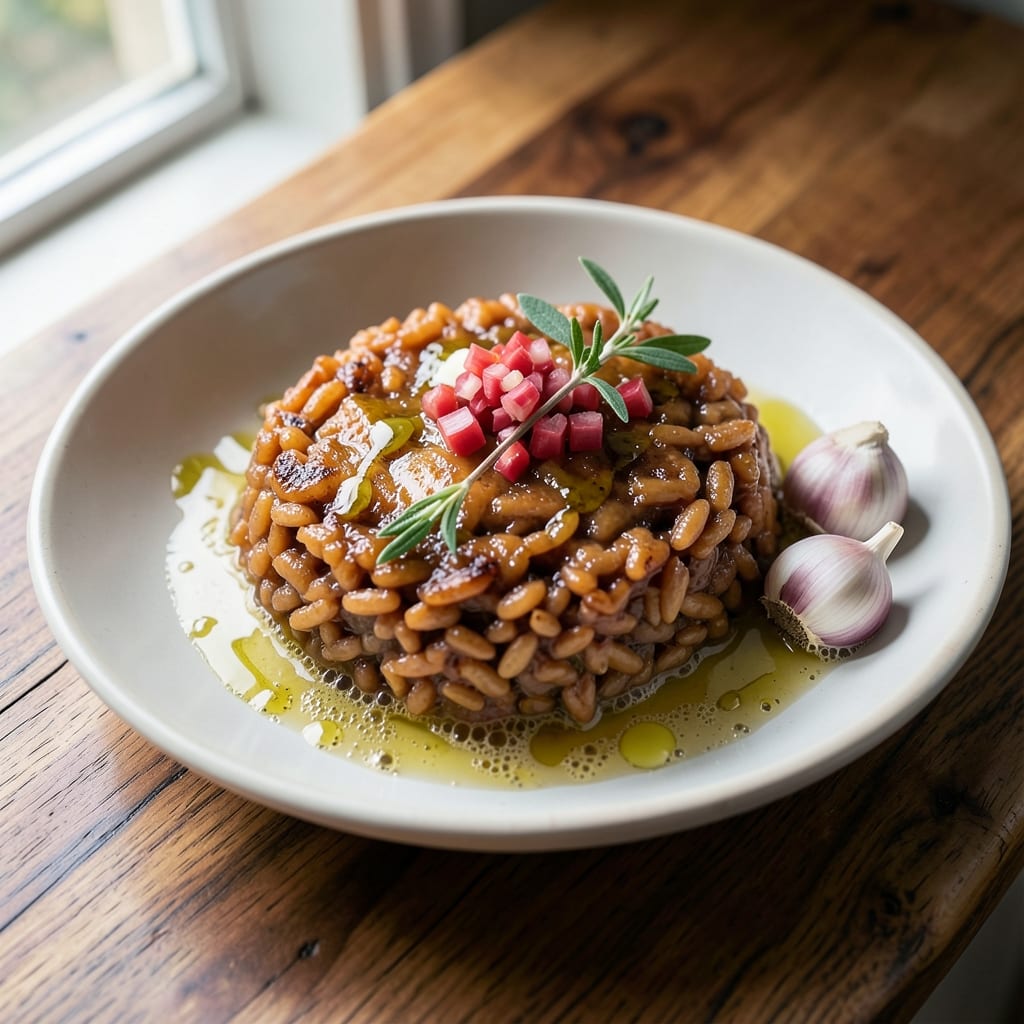
Mastering arborio sticky rice transforms a simple grain into a luxurious side dish with buttery crunch and silky texture—the secret lies in precise ratios and gentle heat. This recipe delivers restaurant-quality results at home, where perfectly balanced grains stay tender yet hold their shape, absorbing rich flavors without turning mushy. What sets it apart is the technique: simmering the rice in broth (or coconut milk) creates that signature sticky, almost custard-like consistency while maintaining a subtle bite at the edges.
The key to success is patience—rinsing the rice thoroughly removes excess starch, preventing gumminess, while low-and-slow cooking ensures even absorption. A 1:1.5 rice-to-liquid ratio (with adjustments for altitude) guarantees fluffy, separate grains with just enough cling to hold together. This method works equally well with chicken broth for savory dishes or coconut milk for tropical-inspired meals, making it versatile for any menu.
By the final bite, you’ll experience tender, glossy grains that melt in your mouth while maintaining a satisfying chew—no dry or pasty textures here. The aroma alone will draw everyone to the table, and the texture contrast (crispy edges, creamy centers) makes it irresistible. Whether served alongside grilled meats, curries, or as a standalone dish, this arborio rice elevates any meal.
Ready to impress? The process is simpler than it sounds—just 20 minutes of active time, followed by hands-off simmering. No fancy equipment needed, just attention to detail. Let’s get started on creating your perfect batch of sticky rice.
Ingredients for arborio sticky rice
Restaurant-quality arborio rice starts with these 11 essential ingredients—each playing a role in achieving that signature buttery crunch and silky texture.
| Ingredient | Amount | Notes |
|---|---|---|
| Arborio Rice 🍚 | 1 cup | Uncooked, high-quality short-grain |
| Chicken Broth 🍲 | 1 ½ cups | Low-sodium preferred, homemade or quality store-bought |
| Unsalted Butter 🧈 | 2 tbsp | European-style preferred for richness |
| Extra-Virgin Olive Oil 🫒 | 1 tbsp | Light variety for delicate flavor |
| Garlic Cloves 🧄 | 2 cloves | Minced finely for aromatic depth |
| Shallots 🧅 | 2 whole | Finely diced, for subtle sweetness |
| Fresh Thyme Leaves 🌿 | ¼ cup | Chopped, or 1 tsp dried thyme |
| Sea Salt 🧂 | 1 ½ tsp | Diamond Crystal preferred, adjust to taste |
| White Wine 🍷 | ¼ cup | Dry variety, like Sauvignon Blanc |
| Parmesan Cheese 🧀 | ¼ cup | Freshly grated, for finishing |
| Lemon Zest 🍋 | 1 tsp | Brightens the final flavor profile |
The Arborio rice is non-negotiable—its high starch content creates that coveted sticky texture. Lundberg Family Farms or Barilla brands deliver consistent quality, but any reputable short-grain variety works. Rinse it thoroughly before cooking to remove surface starch, which prevents gumminess. For the broth, homemade chicken stock elevates the dish, but Pacific Foods or Swanson low-sodium options work in a pinch. The butter matters too—European-style (like Plugrá) melts more smoothly than American butter, adding that luxurious mouthfeel without overpowering. If you're making this for a crowd, double the rice and broth while keeping the 1:1.5 ratio constant.
No white wine? Substitute extra chicken broth—just reduce the total liquid by 2 tbsp to maintain balance. Fresh thyme is ideal, but dried works at one-third the amount. Shallots can be swapped for onions (use half the quantity), though they add a more delicate sweetness. For a dairy-free version, omit the butter and use olive oil exclusively, though the texture will be slightly less rich. Parmesan can be replaced with nutritional yeast** for a vegan option, though the flavor won’t be identical. The lemon zest is optional but recommended—it cuts through the richness and adds a bright finish. If you’re short on time, skip the zest and add a splash of fresh lemon juice at the end instead.
This rice reheats beautifully—simply cover with a damp paper towel and warm in the microwave for 1-2 minutes. For best results, make it fresh when serving, as the texture can become slightly dry when reheated. Store leftovers in an airtight container in the fridge for up to 3 days, or freeze for 3 months in a sealed container. To freeze, spread the rice on a tray to cool completely first, then portion into containers. When reheating from frozen, add 1-2 tbsp of water or broth and cover tightly while warming. The rice holds up well in casseroles or grain bowls, making it perfect for meal prep.
Why You'll Love This Recipe
- One-Pot Magic: I swear by this—just rice, broth, butter, and garlic in one pot. No chopping, no fuss, and the rice does all the work while you sip your coffee.
- Rich, Buttery Depth: That slow simmer with butter and olive oil? It turns simple Arborio into something dangerously addictive—creamy, nutty, with a whisper of garlic that lingers.
- Weeknight or Weekend: Make a big batch on Sunday, and you’ve got lunch for days. Or serve it at your next dinner party—it’s fancy enough to impress but easy enough to pull off.
- Budget-Friendly Luxury: Arborio rice is cheap, broth is cheap, and a little butter makes it feel special. Honestly, this is the kind of meal that makes you feel like you’re eating well without breaking the bank.
Step-by-step instructions for perfect arborio sticky rice
Master this technique and you'll achieve restaurant-quality risotto with an ideal balance of buttery crunch and velvety texture.
Toast the Arborio Rice for Depth of Flavor
Heat a heavy-bottomed pot over medium heat and add the 1 tablespoon extra-virgin olive oil and 2 tablespoons unsalted butter. Once the butter foams but hasn't browned, add the 1 cup Arborio Rice and stir constantly for 2-3 minutes until the grains become translucent at the edges and release their nutty aroma.
This toasting step is crucial—it develops the rice's natural starches and creates that signature toasted note. Watch the rice closely; if it begins to brown too quickly, reduce the heat slightly. The rice should be evenly coated in the butter-oil mixture without any dry spots.
Build Layers with Aromatics and Wine
Add the 2 finely diced shallots and 2 minced garlic cloves to the pot, stirring for 1-2 minutes until the shallots soften but don't color. Pour in the 0.25 cup white wine and stir vigorously until completely absorbed—this should take about 1 minute. The wine's acidity helps break down the rice's outer layer, allowing it to absorb subsequent liquids more effectively.
Here's the thing—don't rush this step. The wine needs time to fully incorporate, and the aromatics should develop their sweet, mellow flavors without burning. If the mixture seems dry before the wine absorbs, add 1 tablespoon chicken broth to keep the rice moving.
Cook Al Dente with Gradual Liquid Addition
Begin adding the 1.5 cups chicken broth 1 ladle at a time, stirring constantly over medium-low heat. Wait until each addition is nearly completely absorbed before adding the next—this typically takes 18-20 minutes total. The rice should remain slightly firm to the bite when you taste it after 16 minutes of cooking.
This gradual process creates the signature creamy texture by allowing the rice to absorb liquid slowly while releasing starches that thicken the cooking liquid. I like to use a wooden spoon to scrape the bottom of the pot frequently, ensuring no grains stick and burn. The rice is ready when it's tender but still has a slight resistance in the center.
Finish with Butter, Cheese, and Aromatics
Remove the pot from heat and stir in the remaining 1 tablespoon unsalted butter, 0.25 cup freshly grated Parmesan cheese, 0.25 cup fresh thyme leaves, 1.5 teaspoons sea salt, and 1 teaspoon lemon zest. The residual heat will create an emulsified sauce that coats each grain perfectly. Let the mixture sit for 1 minute to meld all the flavors together.
This finishing step transforms the rice from simple grains to a luxurious dish. The butter adds richness, the Parmesan provides umami depth, the thyme contributes herbal brightness, and the lemon zest cuts through the richness. Taste and adjust the seasoning—you may need a touch more salt or lemon depending on your broth's saltiness.
Rest and Serve with Perfect Texture
Cover the pot with a lid and let the rice rest for 2-3 minutes off the heat. This resting period allows the residual starches to set and the texture to firm up slightly. The rice should be creamy but still hold its shape when pressed gently with a fork—if it's too loose, it needs a minute longer to rest.
Serve immediately while still hot, sprinkling with additional Parmesan if desired. The ideal Arborio rice should have a firm center that yields to gentle pressure and a creamy exterior that clings to the grains. Each bite should deliver that perfect balance of buttery richness, herbal notes, and bright acidity that makes this dish so satisfying.
Pro Tips For Making Arborio Sticky Rice
- TOAST THE GARLIC FIRST: Sauté the minced garlic in olive oil until it’s just golden—not brown—before adding butter. I used to skip this, but now I swear by it: that nutty aroma builds the flavor base for the rice, and it won’t burn when the broth hits.
- STIR LIKE YOU MEAN IT: Keep the heat medium-high and stir constantly during the first 10 minutes—yes, even if it feels tedious. Arborio rice releases starch fast, and if you let it sit, you’ll end up with dry bits instead of that creamy, clingy texture.
- USE FATTY BROTH: Don’t skimp on the butter or olive oil in the broth—aim for at least 1 tablespoon of each per cup of liquid. Thin broth means bland rice; rich fat carries the garlic flavor and keeps every grain velvety.
- REST IT COVERED: Turn off the heat the second the rice absorbs the liquid, then let it sit covered for 5 minutes. I know, you’re eager to eat it—but rushing this step means the grains won’t plump properly, and you’ll lose that signature stickiness.
Best sauces and condiments for this recipe
Creamy Garlic Sauce
This garlic-parmesan sauce elevates your arborio rice to restaurant-level richness. Sauté 3 minced garlic cloves in 2 tbsp olive oil until golden, then whisk in ½ cup heavy cream and ¼ cup grated Parmesan. Simmer for 3-4 minutes until thickened, then stir into the cooked rice. The sauce coats each grain perfectly, adding a velvety finish. 🧈
Lemon-Herb Butter
Infuse 4 tbsp softened butter with 1 tbsp fresh lemon zest, 1 tbsp chopped thyme, and ½ tsp salt. Warm gently in a saucepan for 2 minutes, then fold into the rice at the end. This brightens the dish with citrusy freshness while keeping the texture luxurious. Perfect for balancing rich proteins like chicken or salmon.
Spicy Chili Oil
For a bold kick, blend ¼ cup chili oil (like La Choy or homemade with 1 tbsp crushed red pepper flakes and ½ cup neutral oil) with 1 tsp soy sauce. Drizzle 1 tbsp over the rice just before serving. The heat cuts through the richness while adding depth. Garnish with sesame seeds for texture contrast.
Coconut Curry Sauce
Transform your rice into a tropical-inspired dish with this sauce: Sauté 1 tbsp curry powder in 1 tbsp coconut oil, then add ½ cup coconut milk and 1 tbsp fish sauce. Simmer for 5 minutes, then stir into the rice. Top with cilantro and toasted cashews for crunch. Ideal for pairing with grilled shrimp or tofu.
Truffle Oil Finish
For a gourmet touch, drizzle 1 tsp truffle oil (like Balsamic Vinegar Factory) over the finished rice. The earthy aroma elevates the dish instantly. Pair with shaved black truffle if available, or simply garnish with fresh parsley. This works especially well with mushroom or beef dishes.
Miso-Butter Glaze
Combine 2 tbsp white miso paste with 2 tbsp butter and 1 tsp mirin. Warm until melted, then swirl into the rice. The umami depth from miso complements the rice’s natural sweetness. Finish with toasted sesame seeds for a Japanese-inspired twist that pairs beautifully with teriyaki-glazed proteins.
Nutrition facts
Frequently asked questions
Why does Arborio rice need to be toasted first?
Toasting the rice develops its natural nutty flavors and releases starches that create that signature creamy texture. The 2-3 minutes of stirring in butter and oil build a flavor foundation before adding liquids. Skipping this step results in bland, mushy rice that lacks depth.
Can I use Arborio rice for other dishes besides risotto?
This versatile rice works perfectly for sticky rice bowls, fried rice, or even coconut milk-based desserts like Thai-inspired khao tom. The key is the same 1:1.5 rice-to-liquid ratio—just adjust the seasoning to match your dish. For savory versions, try adding soy sauce or sesame oil.
What if my rice turns out too dry or mushy?
Too dry? You likely added too much liquid—next time, use 1.25 cups broth instead of 1.5. Too mushy? Either overcooked it or didn't rest properly. For mushy rice, spread it on a tray to dry slightly in the oven at 200°F for 10 minutes, then fluff with a fork. Always rest the rice 2-3 minutes off heat before serving.
How do I make this recipe dairy-free?
Replace butter with olive oil and use coconut milk instead of chicken broth for richness. For the finishing touch, swap Parmesan for nutritional yeast (1 tbsp) and add 1 tsp lemon juice for brightness. The texture will be slightly lighter but still creamy with the right liquid ratio.
Can I make this ahead of time?
Yes, but with a few tricks. Cook the rice as directed, then spread it on a tray to cool completely. Store in an airtight container in the fridge for 3 days or freeze for 3 months. To reheat, sprinkle with 1 tbsp broth and cover while warming in the microwave. For best texture, make it fresh when possible—sticky rice reheats best when slightly undercooked initially.