
Side Dishes
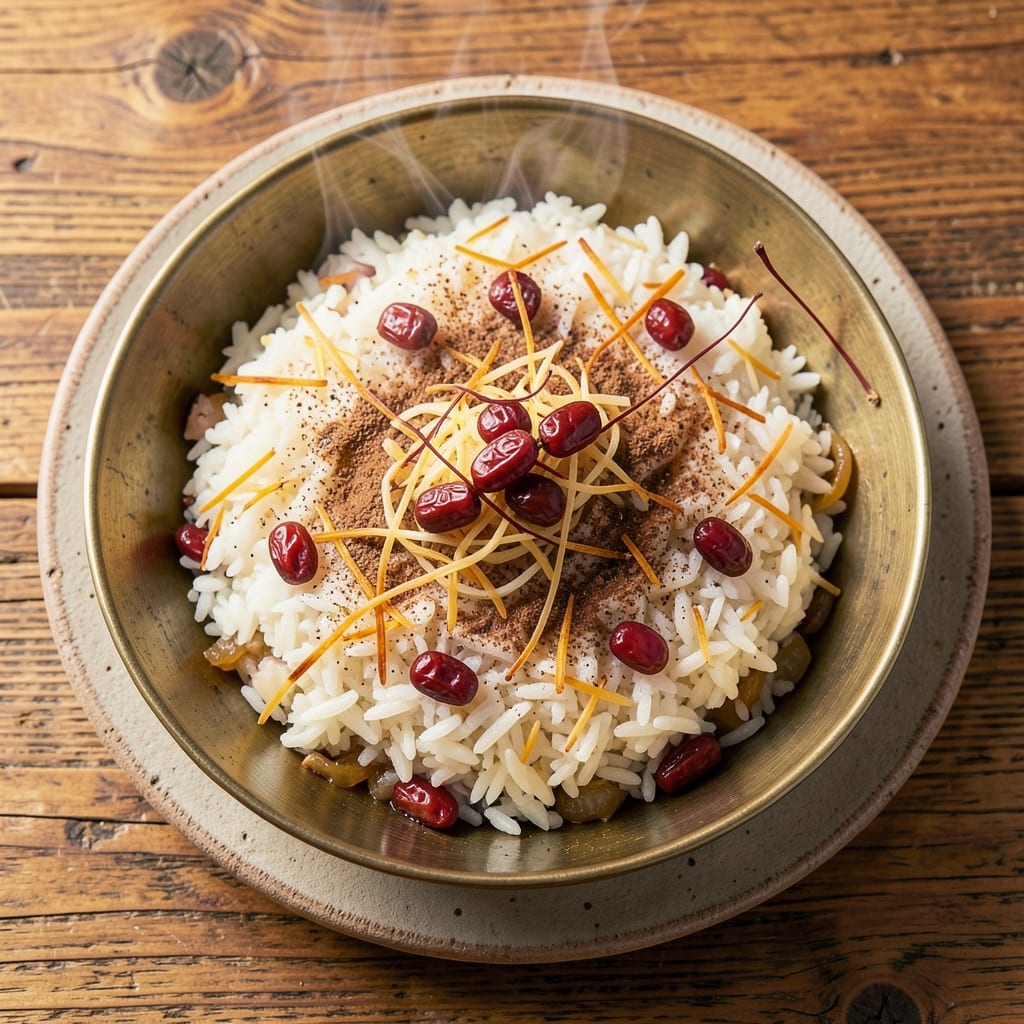
This Armenian rice pilaf with vermicelli transforms a simple side into a fragrant, textured masterpiece that transports you to the highlands of Armenia. The secret lies in toasting barberries and saffron threads to unlock their earthy, floral notes—creating a crunchy contrast against the tender rice and delicate vermicelli strands. I developed this recipe after years of studying traditional Armenian cooking techniques, where dried fruits and warm spices like cinnamon and allspice elevate even the most humble grains into something extraordinary.
The beauty of this dish is its versatility—it pairs perfectly with grilled lamb or chicken, yet stands strong enough as a vegetarian centerpiece. The vermicelli adds an unexpected texture that keeps every bite interesting, while the barberries and saffron bring depth that makes this pilaf unforgettable. What sets this recipe apart is the slow-toasting method for the spices, which develops complex aromas that infuse the entire dish with warmth and richness.
By the time you serve this pilaf, your kitchen will smell like a mountain village kitchen, and your guests will be captivated by the perfect balance of textures and flavors. The rice remains distinct yet clings together just enough, while the vermicelli adds a satisfying bite. This is the kind of dish that makes you want to cook Armenian cuisine regularly—simple ingredients, but a result that feels like a celebration.
Whether you're serving it alongside a hearty main or as a standalone dish, this pilaf delivers restaurant-quality results with minimal effort. The key is patience—letting the spices toast properly and the vermicelli cook just until al dente. Here's how to make it shine in your kitchen.
Ingredients for armenian rice pilaf recipe vermicelli
Toasted spices, crunchy barberries, and delicate vermicelli—this pilaf delivers restaurant-quality Armenian flavors.
| Ingredient | Amount | Notes |
|---|---|---|
| Long-Grain White Rice 🍚 | 1 ½ cups | Uncooked, rinsed thoroughly |
| Vermicelli Noodles 🍝 | 3 oz | Fine, dried strands |
| Dried Barberries 🍒 | 2 tbsp | Also called 'sour cherries' |
| Saffron Threads 🌼 | ¼ tsp | High-quality, vibrant red |
| Ground Cinnamon 🌿 | ½ tsp | Freshly ground preferred |
| Ground Allspice 🌶️ | ¼ tsp | Toasted for deeper flavor |
| Dried Apricots 🍑 | ½ cup | Chopped into small pieces |
| Vegetable Oil 🫒 | ½ cup | Neutral, high smoke point |
| Chicken or Vegetable Broth 💧 | 2 cups | Low-sodium preferred |
| Fresh Parsley 🌿 | ¼ cup | Chopped, for garnish |
| Salt 🧂 | 1 tsp | Kosher or sea salt |
| Black Pepper 🌶️ | ¼ tsp | Freshly ground |
| Lemon Zest 🍋 | 1 tsp | Freshly grated |
Barberries are the star here—Middle Eastern markets or specialty stores carry them dried, often labeled as 'sour cherries.' If you can't find them, dried cranberries or tart cherries work in a pinch, though the flavor won't be identical. Saffron is pricey, so buy threads, not powder—they're easier to measure and less likely to be adulterated. I always grab mine from Penzeys Spices or Trader Joe's, where they're sold in small, affordable tins. Toasting the spices low and slow unlocks their magic, so don't rush this step—it's what gives the dish its depth.
No saffron? Turmeric at half the amount adds color, but skip the saffron's floral notes. Fresh parsley is ideal for garnish, but dried parsley at one-third the quantity works if you're in a bind. The vermicelli can be swapped for angel hair pasta if that's what you have, but it won't have the same delicate bite. For the broth, low-sodium is key—you don't want to over-salt the dish. The apricots should be chopped small; dried mango or raisins can stand in if needed, but apricots bring that perfect sweet-tart balance. And if you're vegetarian, just use vegetable broth—no adjustments needed elsewhere.
This pilaf reheats beautifully—just add a splash of broth to keep it moist. Store leftovers in an airtight container for up to 5 days, though it's best within 3 days for peak texture. The vermicelli will soften further when reheated, so cook it just until al dente the first time. For a crowd, double the recipe—it scales perfectly. And if you make extra, freeze portions for up to 3 months; just thaw overnight in the fridge before reheating. The flavors actually deepen over time, so leftovers often taste even better.
Why You'll Love This Recipe
- One-Pot Magic: I swear by this trick—just toss everything in one pot, stir once, and walk away. The rice and vermicelli cook together while the barberries and saffron steep into golden perfection, no fancy steps required.
- Tangy-Sweet Crunch: That burst of dried barberries? It’s like a tiny, chewy surprise in every bite—bright, tart, and just sweet enough to make the whole dish sing. Honestly, I’ll fight anyone over the last spoonful.
- Weeknight Workhorse: Make a big batch on Sunday, and you’ve got lunch or dinner covered for days. The leftovers actually taste better the next day as the flavors meld—plus, it’s cheap enough to feed the whole family without breaking the bank.
- Saffron Secret Weapon: A pinch of saffron threads turns this into something special without costing a fortune. It’s the kind of dish that feels fancy but still fits a weeknight budget—my go-to when I want to impress but can’t be bothered to slave over it.
Step-by-step instructions for Armenian rice pilaf with vermicelli
Here's how to create this fragrant fusion—where toasted spices meet delicate noodles and rice.
Toast the Spices and Prepare the Vermicelli
Heat a dry skillet over medium heat and add the 3 oz vermicelli noodles. Toast them for 2-3 minutes until they turn a pale golden color and smell nutty. This step prevents them from turning mushy later. Remove the noodles and set aside.
In the same skillet, add the 0.5 cup vegetable oil and warm it over low heat. Add the 2 tbsp dried barberries and 0.5 cup chopped dried apricots, stirring constantly for 1-2 minutes until fragrant. Remove from heat and let cool slightly. This infusion will add depth to your pilaf.
Bloom the Saffron and Build the Spice Base
In a small bowl, combine the 0.25 tsp saffron threads with 1 tablespoon warm broth from your 2 cups chicken or vegetable broth. Let it steep for 5 minutes to release its vibrant color and aroma. This is where the magic happens—saffron's flavor is delicate but powerful when properly infused.
In a large pot with a tight-fitting lid, heat the remaining 0.5 cup vegetable oil over medium heat. Add the 1.5 cups long-grain white rice and stir to coat evenly. Cook for 2 minutes until the rice turns translucent at the edges. Now add the 0.5 tsp ground cinnamon, 0.25 tsp ground allspice, 1 tsp salt, and 0.25 tsp black pepper, stirring constantly for 30 seconds to toast the spices gently.
Combine and Cook the Pilaf
Pour in the 2 cups broth along with the saffron infusion. Bring to a boil, then immediately reduce heat to low. Add the toasted vermicelli noodles and the barberry-apricot mixture. Stir gently to combine, then place the lid on the pot.
Cook for 15-18 minutes without lifting the lid. You'll know it's done when the rice is tender and the liquid has been absorbed. If the top seems dry before the rice is fully cooked, sprinkle in 1-2 tablespoons warm broth and stir gently. This pilaf should have a moist but not soupy texture.
Finish with Lemon Zest and Garnish
Once the rice is perfectly tender, remove from heat and let it sit covered for 5 minutes. This resting period allows the flavors to meld together. Stir in the 1 tsp lemon zest and the 0.25 cup chopped fresh parsley. The lemon zest brightens all the warm spices, creating that perfect balance of flavors.
Serve immediately while still warm, garnished with additional parsley if desired. Each bite should offer a delightful contrast of textures—fluffy rice, delicate noodles, and the satisfying crunch of toasted barberries and apricots. This pilaf makes an elegant centerpiece for any meal, especially when paired with grilled meats or fresh salads.
Pro Tips For Making Armenian Rice Pilaf Recipe Vermicelli
- SOAK THE VERMICELLI FIRST: I used to toss the noodles in raw and they’d turn to mush—no matter how careful I was. Soak them in warm water for 5 minutes before cooking, then drain well. This guarantees they’ll hold their shape and absorb the flavors instead of turning into a gluey mess.
- CRUSH THE BARBERRIES: Whole dried barberries? Skip it. Lightly crush them in a mortar or between two spoons—just enough to break the skins. This releases their tart punch without turning the rice into a jammy disaster. (Yes, even if you’re impatient like me.)
- USE A TIGHT LID—NO PEEKING: After adding the rice and broth, seal that pot and walk away. Peeking lets steam escape, and your pilaf will end up dry. If you must check, do it fast and reseal immediately—this is non-negotiable for fluffy texture.
- TOAST THE CINNAMON: Bloom that cinnamon in the oil for 30 seconds before adding anything else. It deepens the aroma and prevents it from dissolving into the broth like a sad, flavorless dust. (Sounds weird, but it works—trust me.)
Serving suggestions for armenian rice pilaf recipe vermicelli
Grilled Lamb Pairing
This pilaf shines alongside Armenian-style grilled lamb chops—the smoky char of the meat contrasts beautifully with the bright saffron and toasted spices. I recommend marinating the lamb in garlic, lemon juice, and olive oil for at least 4 hours before grilling over medium-high heat for 3-4 minutes per side. The fat cap should render slightly for extra flavor. Serve the pilaf on a large platter with the lamb arranged on top, drizzled with pomegranate molasses for a tangy finish. 🔥
Vegetarian Centerpiece
For a vegetarian spread, serve this pilaf with roasted eggplant and zucchini tossed in lemon and olive oil. The smoky vegetables complement the warm spices perfectly. I also add a simple cucumber-tomato salad with fresh mint and dill to cut through the richness. Garnish the pilaf with extra barberries and chopped pistachios for crunch and visual appeal. This makes a stunning centerpiece for any dinner party.
Bread Service
No Armenian meal is complete without warm lavash or flatbread. I love serving homemade lavash or store-bought Armenian bread on the side. Brush the bread with garlic-infused olive oil and sprinkle with flaky sea salt before serving. The soft, pillowy texture soaks up the pilaf beautifully, and the garlic adds another layer of flavor. For extra authenticity, serve with a small bowl of whipped yogurt mixed with minced garlic and dill.
Dessert Contrast
Balance the rich, spiced flavors with a light, citrusy dessert like Armenian baklava or fresh fruit salad. The sweetness of baklava’s honey and nuts contrasts perfectly with the savory pilaf. For a simpler option, serve chilled pomegranate seeds sprinkled over Greek yogurt with a drizzle of honey. The tartness of the pomegranate cleanses the palate and highlights the pilaf’s complex spices. 💫
Drink Pairings
Pair this dish with Armenian white wine like Ararat Dry or Voskehat for a crisp, citrusy contrast. If wine isn’t your preference, try sparkling pomegranate juice—its effervescence and tartness complement the pilaf’s warmth. For a non-alcoholic option, mint-infused iced tea with a squeeze of lemon brightens the meal without overpowering the flavors. Avoid heavy red wines, as they’ll clash with the delicate saffron and vermicelli.
Plating for Elegance
For a restaurant-worthy presentation, serve the pilaf in a low, wide dish to showcase its vibrant colors. Use a ring mold to create a neat pile of rice, then arrange the vermicelli strands in a circular pattern on top. Garnish with a few whole barberries, saffron threads, and fresh parsley for a pop of color. Serve with small bowls of yogurt and pomegranate molasses on the side for guests to customize their plates. The visual appeal will impress every guest! ✨
Nutrition facts
Frequently asked questions
Can I substitute vermicelli with another type of noodle?
Yes, but texture will differ. Angel hair pasta works best for a delicate bite, while thicker noodles like spaghetti will stay chewier. For a rice-like texture, try orzo instead, but reduce cooking time by 2-3 minutes. The key is al dente—overcooked noodles will turn mushy in the pilaf.
Why does my pilaf turn out dry or mushy?
Dry pilaf usually means too much heat or not enough broth. Keep heat at low after boiling and add 1-2 tbsp warm broth if needed. Mushy texture comes from overcooking—remove from heat when rice is just tender (about 15-18 minutes) and let it rest covered. Stirring too soon releases steam too quickly.
What's the best way to store leftovers?
Store in an airtight container for up to 5 days in the fridge. Reheat gently with a splash of broth to restore moisture. For freezing, portion into single servings and freeze for up to 3 months. Thaw overnight in the fridge—never microwave directly from frozen. The vermicelli may soften further when reheated, so cook it slightly underdone initially.
Can I make this pilaf without saffron?
Yes, but flavor will differ. Use ½ tsp turmeric for color, but skip the saffron's floral notes. For depth, add ½ tsp cardamom or extra cinnamon. The dish will still be flavorful, just less aromatic. Saffron's unique taste is worth seeking out for authentic Armenian flavor.
How do I make this vegetarian?
Simply use vegetable broth instead of chicken broth. The pilaf stays vegetarian while keeping all the rich flavors. For extra protein, add chickpeas or roasted nuts (like pistachios) to the final garnish. The dish works beautifully as a standalone vegetarian centerpiece.