
Desserts
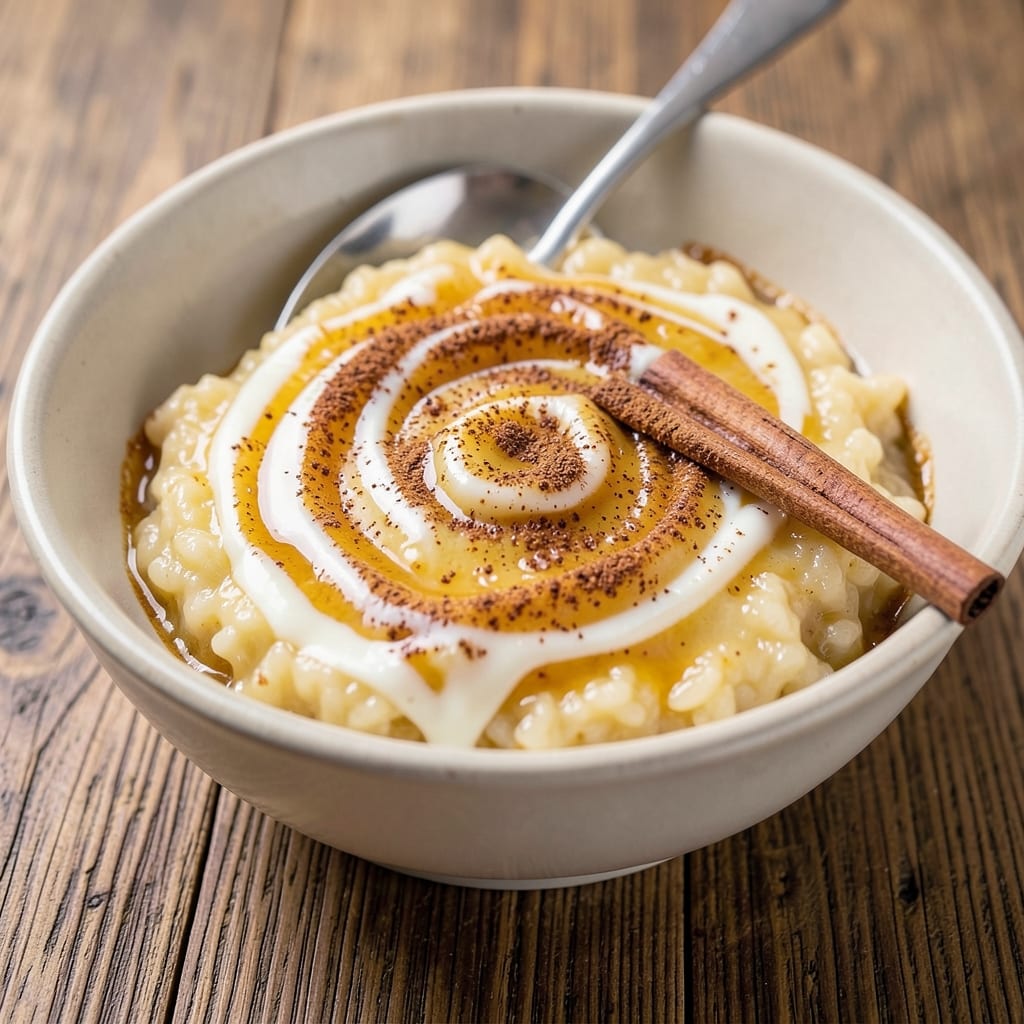
This arroz doce—the Portuguese sweet rice recipe—transforms simple ingredients into a velvety, cinnamon-kissed dessert that's been warming hearts for generations. 🌟 The secret lies in slow simmering short-grain rice with milk and sugar until it reaches that perfect caramelized consistency—rich, fragrant, and irresistibly smooth. I first made arroz doce after discovering how Portuguese families serve it chilled with whipped cream or warm with a sprinkle of cinnamon.
The beauty of this recipe is its simplicity—just a few key ingredients create something truly special. Short-grain rice absorbs the milk beautifully, while cinnamon and vanilla infuse every spoonful with warmth. The slow cooking process transforms the rice into a luscious pudding with a delicate caramelized top that's impossible to resist. What makes it truly unique is that balance between creamy texture and subtle sweetness.
What you'll end up with is a dessert that's elegant yet comforting, perfect for special occasions or as a comforting treat. The aroma alone will transport you to Portugal, where this dish is a staple at celebrations. Serve it warm or chilled—both ways are delicious, but the contrast of temperatures makes it even more special. This recipe delivers restaurant-quality results with minimal effort.
Whether you're making it for a family gathering or a quiet evening dessert, arroz doce never disappoints. The process is straightforward, but the reward is pure indulgence. Let's create this Portuguese classic that's sure to become a favorite in your home too.
Ingredients for arroz doce portuguese sweet rice
Just six core ingredients transform into Portugal's most beloved sweet rice dessert.
| Ingredient | Amount | Notes |
|---|---|---|
| Short-Grain White Rice 🍚 | 1 ½ cups | Uncooked, like Arborio or sushi rice |
| Whole Milk 🥛 | 3 ½ cups | Full-fat for creamiest texture |
| Granulated White Sugar 🍬 | 1 ¼ cups | Adjust to taste for sweetness |
| Ground Cinnamon 🍃 | 2 tsp | Ceylon preferred for authentic flavor |
| Pure Vanilla Extract 🍯 | 1 tbsp | High-quality Madagascar bourbon |
| Unsalted Butter 🧈 | 4 tbsp | Cold, cut into small cubes |
| Salt 🧂 | ¼ tsp | Fine sea salt for balance |
| Orange Zest 🍊 | 1 tsp | From organic Valencia orange |
| Heavy Whipping Cream 🥛 | ½ cup | For topping, optional |
| Ground Nutmeg 🌿 | ¼ tsp | Freshly grated preferred |
| Lemon Juice 🍋 | 1 tbsp | Freshly squeezed |
The rice is non-negotiable—short-grain varieties like Arborio or Japanese sushi rice are essential. They absorb liquid beautifully without turning mushy, creating that signature creamy texture. Whole Foods or Trader Joe's carry excellent options, but any Asian market will have perfect rice for this. The milk should be full-fat (3.5% minimum)—skim won't give you that luscious texture. For the cinnamon, Ceylon ground cinnamon has a sweeter, more complex flavor than regular cassia, though both work. I always grab mine from Penzeys when I'm doing a big batch, but the regular grocery store stuff is fine for a single serving.
No vanilla extract? Vanilla bean paste or scraped seeds work beautifully—just use half the amount. Running low on butter? Ghee or coconut oil are great substitutes, though they'll give a slightly different flavor profile. The orange zest can be swapped for lemon zest at double the amount, but orange adds that authentic Portuguese touch. For the sugar, I use Domino brand because it's consistently fine and dissolves smoothly, but any granulated will do. Want to make it ahead? The flavor actually improves after 24 hours—the caramelization deepens overnight.
This dessert keeps beautifully—5 days refrigerated or 3 months frozen. For freezing, portion into individual ramekins before sealing. Reheat gently in the microwave or warm in a water bath. The whipped cream topping should be added just before serving—whip it with a pinch of sugar for extra sweetness. Leftovers? Store in an airtight container with parchment between layers to prevent sogginess. The caramelized top is the best part—don't skip the final broil if you want that perfect golden crust.
Why You'll Love This Recipe
- Four Spoons In: This rice practically cooks itself while you sip coffee. Just rinse the grains, simmer with milk and sugar, then stir in vanilla—no fancy techniques, no hovering over the stove. I’ve made it while scrolling through my phone; it’s that hands-off.
- Cinnamon-Sugar Magic: That first bite? Warm, creamy rice with sugar crystals clinging to the edges and cinnamon whispering through every mouthful. It’s like dessert sneaking into your breakfast bowl—no guilt, just pure satisfaction. (Yes, even on a Tuesday morning.)
- Breakfast, Dessert, Snack: Honestly, I’ve eaten this cold from the fridge, reheated with a drizzle of honey, and even stuffed it into a pastry for a quick treat. It’s the kind of dish that adapts—perfect for lazy mornings, potlucks, or when you just need something sweet without the fuss.
- Budget Sweetness: A handful of rice, a splash of milk, and sugar you already have? This recipe costs next to nothing but tastes like a bakery display. Plus, it keeps for days, so you’re not scrambling to use it up before it goes bad—just portion and reheat. My wallet and taste buds thank me.
Step-by-step instructions for arroz doce Portuguese sweet rice
Here's how to create this velvety, cinnamon-kissed Portuguese dessert that's perfect for special occasions.
👨🍳 Step 1: Prepare the Rice and Infuse the Milk
Start by rinsing the 1.5 cups short-grain white rice under cold water until the water runs clear. This removes excess starch that can make your arroz doce gummy. While the rice drains, combine the 3.5 cups whole milk, 1 tsp orange zest, and 1 tbsp lemon juice in a saucepan over medium heat.
Heat the milk mixture until it reaches 180°F—just before it begins to simmer. Remove from heat and let it steep for 15 minutes to infuse the bright citrus notes. This step is what gives authentic arroz doce its vibrant flavor profile. Strain out the zest after steeping to prevent any bits from making the final texture gritty.
🔥 Step 2: Cook the Rice to Perfect Creaminess
Return the infused milk to the saucepan and add the drained rice, 1.25 cups granulated white sugar, 2 tsp ground cinnamon, 0.25 tsp salt, and the 4 tbsp cold unsalted butter cut into small cubes. Stir gently to distribute everything evenly.
Reduce heat to low and let the mixture simmer gently for 25-30 minutes, stirring occasionally with a wooden spoon. You're aiming for a thick, pudding-like consistency that coats the back of your spoon. Here's the thing—don't stir constantly. Let the rice absorb the liquid gradually for that authentic Portuguese texture. If the mixture looks too dry before it thickens, add 1-2 tablespoons of water at a time.
🍳 Step 3: Finish with Vanilla and Nutmeg
Once the rice mixture reaches your desired thickness (it should be like a thick pudding), stir in the 1 tbsp pure vanilla extract and 0.25 tsp ground nutmeg. These spices are what elevate this from simple rice pudding to a sophisticated Portuguese dessert. Taste and adjust sweetness if needed—you can add more sugar now if you prefer it sweeter.
Continue cooking for another 5 minutes on low heat, stirring gently to incorporate the spices completely. The mixture should be smooth and glossy with a delicate aroma of cinnamon and vanilla. Remove from heat immediately to prevent overcooking, which can make the rice dry out.
⏰ Step 4: Chill and Serve with Cream Topping
Transfer the arroz doce to a serving dish and let it cool to room temperature. Then, cover it with plastic wrap and refrigerate for at least 4 hours (overnight is even better). Chilling allows the flavors to meld and the texture to set properly. This is where patience pays off—the chilled version has that perfect creamy yet firm texture.
Before serving, whip the 0.5 cup heavy whipping cream to soft peaks and spread it over the top of the chilled arroz doce. The contrast between the warm spices and cool cream is what makes this dessert truly special. Serve in small bowls with a sprinkle of extra cinnamon on top for that authentic Portuguese touch.
Pro Tips For Making Arroz Doce Portuguese Sweet Rice
- Soak the Rice: Toss the short-grain rice in cold water for 10 minutes before cooking—it cuts down on starchy gloop and keeps the texture creamy. I used to skip this and ended up with a gluey mess every time. ---
- Simmer Slow and Low: Once the milk comes to a boil, drop the heat to a bare simmer and cover the pot. Too much heat = scorched milk, and nobody wants burnt sugar notes in their arroz doce. Think "gentle bubble," not "rolling boil." ---
- Whisk in the Sugar: Don’t just dump the sugar in—whisk it into the warm milk first to dissolve it completely. Lumps turn into gritty bits, and that’s a vibe no one’s asking for. (Yes, even if you’re impatient like me.) ---
- Toast the Cinnamon: Warm the cinnamon in a dry pan for 30 seconds before mixing it in—it deepens the flavor without bitterness. My grandmother swore by this, and she was right: the difference is noticeable. Skip it, and you’re just sprinkling dust.
Troubleshooting this recipe
Grainy Texture Fix
If your arroz doce turns out gritty instead of silky smooth, you likely didn't rinse the rice enough. Short-grain rice needs thorough rinsing to remove excess starch—rub the grains between your fingers under running water until the water runs completely clear. For a quick fix, blend the finished arroz doce for 10-15 seconds with an immersion blender to break up any remaining rice grains. This works beautifully for a smoother texture without changing the flavor. 💫
Undercooked Rice
When your arroz doce tastes raw or pasty, it means the rice didn't absorb enough liquid. The key is patience—simmer the mixture for 30-45 minutes total until it reaches that perfect pudding consistency. If it's still too thin, continue cooking uncovered on low heat, stirring occasionally. For a faster fix, mix in 1 tbsp cornstarch with 1 tbsp cold water, stir it in, and cook for another 5 minutes.
Burnt Bottom
This classic problem happens when the arroz doce sticks to the pan and caramelizes too much. Always use a heavy-bottomed saucepan and keep the heat at low-medium. If you notice browning, immediately reduce the heat and stir to redistribute the mixture. For future attempts, add a thin layer of butter or oil to the pan before cooking. A non-stick pan helps, but traditional Portuguese cooks often use stainless steel—just monitor it closely. 🔥
Too Sweet or Bland
Adjusting sweetness is easy—taste your arroz doce before the final 5-minute cooking. If it needs more sweetness, add 1-2 tbsp sugar. For a more complex flavor, simmer the milk with a cinnamon stick instead of ground cinnamon. If it tastes bland, a pinch of salt or an extra ½ tsp vanilla extract will enhance the flavors. The key is balance—Portuguese arroz doce should be sweet but not cloying, with warm spices shining through.
Separation Issues
If your arroz doce separates into a watery liquid and dry rice, you likely stirred too aggressively or didn't maintain a gentle simmer. The fix is simple—return the mixture to low heat and stir gently until it thickens again. For prevention, stir only 2-3 times during cooking. If the separation is severe, blend the mixture briefly with an immersion blender to restore its creamy consistency. This technique works wonders for bringing everything back together. ✨
Caramelized Top Missing
The signature golden caramelized top happens when the arroz doce cooks uncovered for the last 5-10 minutes. If yours lacks this feature, simply broil the finished arroz doce in a 350°F oven for 3-5 minutes. Watch closely to avoid burning! For a quicker fix, sprinkle 1 tbsp sugar on top and use a kitchen torch to melt and caramelize it. This adds that beautiful contrast between creamy texture and crispy top that makes arroz doce so special.
Nutrition facts
Frequently asked questions
Can I make arroz doce without eggs?
Traditional Portuguese arroz doce doesn't require eggs—this recipe stays true to the classic version. The eggs sometimes appear in other rice puddings, but authentic arroz doce relies on milk, rice, and spices for its signature creamy texture. The butter and slow simmering create that rich mouthfeel without needing eggs.
How long does arroz doce keep in the fridge?
This dessert stays fresh for 5-6 days when stored in an airtight container. The flavors actually deepen over time, making it perfect for meal prep. For best texture, serve chilled—it develops that ideal creamy-yet-firm consistency after 4+ hours in the refrigerator. The caramelized top remains crisp when properly sealed.
What's the best way to serve arroz doce?
Portuguese tradition serves it two ways: warm with a sprinkle of cinnamon or chilled with whipped cream. For a restaurant-style presentation, layer the cold arroz doce in glasses with a dollop of whipped cream and extra cinnamon. The contrast between warm spices and cool cream creates an unforgettable experience. Serve with espresso for an authentic Portuguese dessert pairing!
Can I substitute whole milk with almond milk?
While possible, we don't recommend it for authentic texture. Whole milk's fat content creates that signature creamy consistency. If you must substitute, use full-fat coconut milk (1:1 ratio) for better results. The spices and citrus will still shine, but the texture will be lighter. For a dairy-free version, consider making a separate batch with coconut milk—just expect a slightly different mouthfeel.
Why does my arroz doce look watery?
This usually happens from over-stirring or insufficient cooking time. The rice needs 30-45 minutes of gentle simmering to absorb all the liquid. If it's still too thin, continue cooking uncovered on low heat. For a quick fix, mix 1 tbsp cornstarch with 1 tbsp water, stir it in, and cook for 5 more minutes. The key is patience—let the rice work its magic without constant attention!