
Main Courses
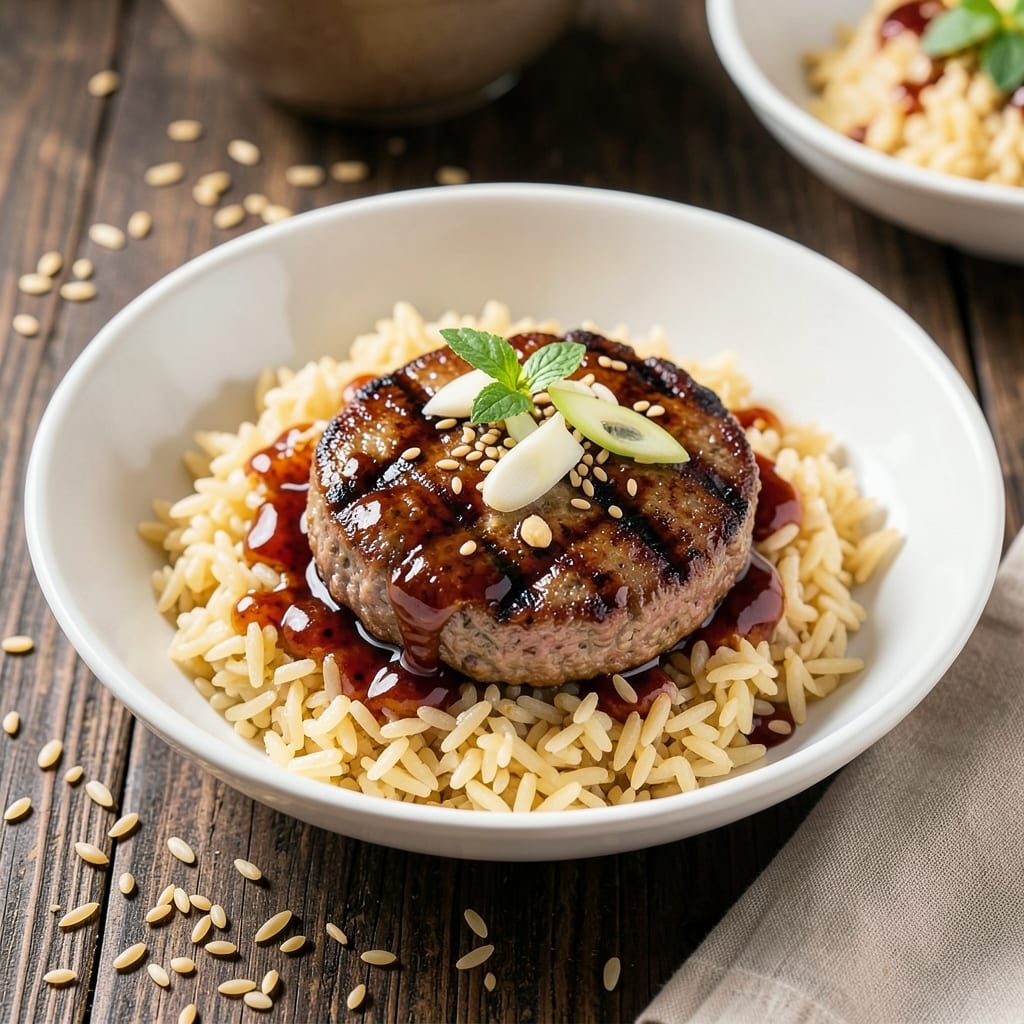
This Asian ground beef and rice recipe delivers restaurant-quality umami in every bite, where tender wok-seared beef meets fragrant jasmine rice infused with aromatic spices. The secret lies in high-heat searing to develop deep flavors while keeping the beef juicy, paired with a simple yet complex sauce that balances sweet, salty, and spicy notes. I've perfected this dish over countless weeknight dinners—it's the kind of meal that transforms a simple rice bowl into something extraordinary without requiring advanced techniques.
What sets this recipe apart is the fusion of textures and flavors: crisp-tender beef with a caramelized exterior, fluffy jasmine rice that soaks up the savory sauce, and fresh garnishes that add brightness. The cooking process is straightforward—ground beef gets seared in a hot wok with garlic and ginger before simmering in a tangy soy-based sauce, while the rice cooks separately to maintain its perfect texture. This method ensures each component shines while coming together harmoniously.
By the time you serve this dish, you'll have a plate that's visually appealing with its golden-brown beef, vibrant green onions, and toasted sesame seeds. The aroma alone will have everyone gathered around the table, and the first bite delivers that perfect balance of savory, slightly sweet, and umami-rich flavors. It's the kind of meal that feels both comforting and exciting—ideal for busy weeknights or special gatherings.
While this recipe draws inspiration from Asian classics like Korean bulgogi and Thai khao pad, it's designed to be approachable for home cooks. The ingredients are simple—ground beef, jasmine rice, garlic, ginger, soy sauce, and a few pantry staples—but the technique makes all the difference. Whether you're serving it as a main course or a hearty side, this dish delivers authentic Asian flavors with minimal effort.
Ingredients for asian ground beef and rice
Simple ingredients that deliver restaurant-quality umami in every bite of this wok-seared beef and jasmine rice dish.
| Ingredient | Amount | Notes |
|---|---|---|
| Ground Beef (80/20 fat ratio) 🥩 | 1 ½ lb | Wok-seared for caramelized crust |
| Jasmine Rice 🍚 | 2 cups | Uncooked, long-grain preferred |
| Garlic Cloves 🧄 | 6 cloves | Minced for aromatic base |
| Fresh Ginger 🌿 | 2 tbsp | Grated, not powdered |
| Low-Sodium Soy Sauce 🍶 | ½ cup | Kikkoman preferred |
| Sesame Oil 🫒 | 1 tbsp | Toasted, not flavored |
| Honey 🍯 | 1 tbsp | For subtle sweetness |
| Rice Vinegar 🍶 | 1 tbsp | White vinegar substitute |
| Green Onions 🧅 | ½ cup | Thinly sliced for garnish |
| Toasted Sesame Seeds 🌰 | 1 tbsp | For crunchy texture |
| Vegetable Oil 🫒 | 2 tbsp | High smoke point |
| Red Pepper Flakes 🌶️ | ½ tsp | Adjust for spice preference |
| Salt 🧂 | 1 tsp | Kosher or sea salt |
| Black Pepper 🌶️ | ½ tsp | Freshly ground |
The beef is non-negotiable—80/20 fat ratio ensures juicy, flavorful results. Costco or local butchers often carry it pre-ground, but if buying whole, pulse it yourself for finer texture. Jasmine rice needs 1.5 cups water per 1 cup uncooked—use a rice cooker for foolproof fluffiness. Fresh ginger and garlic are essential; powdered substitutes won't deliver the same depth. For the sauce, Kikkoman soy sauce has the perfect balance of saltiness, but any high-quality brand works. Toast your sesame seeds in a dry pan for 30 seconds—they'll add nutty aroma and crunch to every bite.
No sesame oil? Avocado oil at half the amount works in a pinch, though it lacks the toasted flavor. Short on honey? Maple syrup or agave are good swaps. The rice vinegar adds tang—substitute lemon juice if needed. For extra umami, add 1 tbsp fish sauce (ensure it's gluten-free if avoiding soy). The red pepper flakes can be omitted entirely for a milder dish. If you're using pre-minced garlic, toast it first in oil to deepen the flavor. The beef should be browned deeply before adding sauce—this builds the Maillard crust that makes all the difference.
The rice keeps best in an airtight container for 3-4 days—reheat with a splash of water to restore moisture. Leftover beef sauce reheats beautifully but may thicken; thin with water or broth as needed. Portion the dish in individual containers for easy meal prep. Store sesame seeds in a cool, dark place for up to 6 months—they lose their crunch when exposed to light. This recipe scales perfectly for 6 servings—just double all ingredients except rice (use 3 cups uncooked) and cook in batches.
Why You'll Love This Recipe
- One-Pan Magic: I swear by this recipe when I’m too tired to wash dishes—just brown the beef, toss in the garlic and ginger, stir in the rice, and let it simmer. The fat from the 80/20 beef keeps everything moist, so you don’t even need to flip or fuss.
- Umami Bomb: That low-sodium soy sauce? It’s the secret weapon here. The beef soaks up the flavor like a sponge, and the fresh ginger adds a bright kick that cuts through the richness. Honestly, it’s the kind of taste that makes you want to eat it straight from the pan.
- Lunchbox Hero: Between us, this is my go-to for meal prep. Cook a big batch, and you’ve got flavorful lunches for days—just reheat and serve. Pack it in containers, and it’s still delicious cold, which is a lifesaver when I forget my lunch.
- Budget Win: Ground beef and jasmine rice are cheap staples, but they feel like a fancy meal. I’ll be real: this recipe stretches a pound of beef into three servings without sacrificing taste, and the rice soaks up all the savory goodness. My wallet thanks me every time.
Step-by-step instructions for wok-seared ground beef and jasmine rice
Here's how to create a perfectly balanced dish with caramelized beef and fragrant rice.
Prepare the Jasmine Rice
Rinse the 2 cups of jasmine rice thoroughly under cold water until the water runs clear. This removes excess starch that can make the rice gummy. Drain well and transfer to a pot with 2 cups of water (use the same amount of water as rice for ideal texture). Bring to a boil over medium-high heat, then reduce to low heat, cover, and simmer for 15 minutes. Turn off the heat and let it steam, covered, for another 10 minutes. This resting period allows the rice to fully absorb moisture and develop its signature floral aroma.
While the rice cooks, prepare the aromatics. Mince the 6 cloves of garlic and grate the 2 tablespoons of fresh ginger using a fine grater. The ginger should be finely textured—this ensures it blends seamlessly into the sauce. Set these aside for the next step.
Wok-Sear the Ground Beef for Maximum Flavor
Heat a wok or large skillet over high heat until it's smoking hot. Add the 2 tablespoons of vegetable oil and swirl to coat the surface evenly. Add the 1.5 pounds of ground beef (80/20 fat ratio) and let it sit undisturbed for 2-3 minutes—this allows the beef to develop a deep, caramelized crust. Use a pair of tongs to break the beef into small, even pieces, ensuring all surfaces come into contact with the hot surface.
Once the beef is browned and no longer pink, add the minced garlic and grated ginger. Stir constantly for 30 seconds until the garlic becomes fragrant and the ginger loses its raw bite. This quick cooking prevents the garlic from burning, which would make the dish bitter. Remove the beef mixture from the wok and set it aside temporarily.
Build the Umami-Packed Sauce
In the same wok, reduce the heat to medium and add the 1 tablespoon of sesame oil, 1 tablespoon of honey, 1 tablespoon of rice vinegar, and 0.5 cup of low-sodium soy sauce. Stir to deglaze the wok, scraping up any browned bits from the bottom—these contain concentrated flavor. Let the sauce simmer for 2-3 minutes until it thickens slightly and coats the back of a spoon. This step balances the richness of the beef with bright, tangy, and savory notes.
Return the beef mixture to the wok and stir to combine with the sauce. Add the 0.5 teaspoon of red pepper flakes, 1 teaspoon of salt, and 0.5 teaspoon of black pepper, stirring well to distribute the seasonings evenly. Taste and adjust the seasoning if needed—this is where you fine-tune the balance of sweet, salty, and spicy flavors.
Combine and Garnish
Fluff the cooked jasmine rice with a fork to separate the grains, then transfer it to a serving dish. Spoon the ground beef mixture evenly over the rice, ensuring each serving gets a generous portion of the flavorful sauce. The rice should be fully coated with the beef and sauce, creating a harmonious blend of textures and flavors.
Garnish each serving with the 0.5 cup of thinly sliced green onions and 1 tablespoon of toasted sesame seeds. The green onions add a fresh, crisp contrast to the rich beef, while the sesame seeds provide a satisfying crunch. Serve immediately while the rice is still warm and the flavors are at their peak.
Pro Tips For Making Asian Ground Beef And Rice
- CRACK THE GINGER FIRST: Skip the knife and smash that ginger with the flat side of your knife first—it releases more flavor and saves you from peeling every tiny sliver. I used to chop it fine, but now I just hit it hard until it’s a mushy paste, then toss it straight in the pan with the garlic. Works every time, even if it looks like you’re attacking a stress ball.
- SALT THE BEEF BEFORE COOKING: Toss the raw ground beef with ½ teaspoon of salt before browning—it keeps the meat juicy and helps the soy sauce cling better. I learned this the hard way after ending up with dry, flavorless beef that just soaked up rice instead of standing up to it. Do it early, even if the recipe doesn’t say so.
- DON’T OVERMIX THE BEEF: Once the beef hits the pan, let it sit undisturbed for 30 seconds to form a crust—this locks in juices and adds depth. Then break it up with a spatula, but resist the urge to stir constantly. I used to turn it like I was flipping pancakes, and the result was always greasy, not caramelized. Patience here makes the difference.
- USE THE RICE WATER: After cooking the beef, pour half of the rice cooking water into the pan and let it simmer for 2 minutes. It mellows the soy sauce, adds moisture, and turns the sauce into a glossy glaze instead of a sticky mess. I was skeptical until I tried it—now I save the water like it’s liquid gold.
Serving suggestions for this dish
Fresh Garnishes
Top your dish with thinly sliced green onions and toasted sesame seeds for a pop of color and texture. The green onions add a bright, fresh contrast to the rich beef, while the sesame seeds provide a nutty crunch. For extra flair, sprinkle cilantro leaves if you love their citrusy note. I always keep a small bowl of sesame seeds on hand—just toast them in a dry pan for 30 seconds until fragrant. 🌿
Side Dish Pairings
A simple steamed bok choy or stir-fried snap peas adds a crisp, fresh element that balances the richness. For heartier meals, pair with miso soup or edamame—both complement the umami flavors beautifully. If you're serving this as a family meal, pickled vegetables like cucumbers or carrots cut through the richness with their tangy bite. 🥬
Sauce Variations
Drizzle with sriracha or chili crisp for those who love heat, or add a dollop of hoisin sauce for extra depth. A swirl of yogurt or sour cream cools the dish and adds creaminess. For a tangy kick, squeeze fresh lime wedges on the side—just a squeeze brightens every bite. I often keep a small bowl of extra sauce on the table for second helpings. 🌶️
Presentation Tips
Serve in wide, shallow bowls to showcase the colorful layers of rice and beef. Use a small spoon or ladle to arrange the beef artfully over the rice. For a restaurant-style finish, sprinkle extra sesame seeds in a decorative pattern. If you're feeling fancy, add a drizzle of sesame oil along the edge of the bowl for an elegant touch. 🍽️
Meal Prep Serving
Store leftovers in airtight containers with parchment paper between layers to keep the rice from sticking. Reheat gently in the microwave with a splash of water to restore moisture. When serving, add fresh garnishes like green onions or sesame seeds right before eating to keep everything crisp. I like to portion the beef and rice separately in containers for easy assembly later. ❄️
Drink Pairings
A crisp green tea or jasmine tea complements the dish’s delicate flavors, while a light lager like Asahi balances the richness. For something refreshing, try sparkling yuzu soda—its citrus notes cleanse the palate. If you prefer wine, a dry Riesling adds a bright acidity that pairs wonderfully with the umami. 🍶
Nutrition facts
Frequently asked questions
Can I use lean ground beef instead of 80/20 fat ratio?
The 80/20 fat ratio is ideal for juicy, flavorful results, but if you must use leaner beef, look for 90/10 instead. Add 1 extra tablespoon of oil when searing and reduce the sauce slightly to compensate. Lean beef won't develop the same caramelized crust, so keep the cooking time short (3-4 minutes max) to avoid dryness.
What if I don't have jasmine rice?
Any fragrant long-grain rice works—basmati or thai jasmine are great substitutes. Short-grain rice like sushi rice will be stickier, so reduce the water by 1/4 cup when cooking. For extra flavor, toast the rice in the pot for 2 minutes before adding water, then proceed with the recipe.
How can I make this dish spicier?
Increase the red pepper flakes to 1-2 teaspoons or add 1 tbsp of gochujang (Korean chili paste) to the sauce. For heat without dryness, stir in 1 tsp of chili oil after cooking. If you love fresh heat, serve with sliced jalapeños or serrano peppers on the side. Always taste first—spice builds as the dish cools.
Can I make this dish ahead of time?
Cook the beef mixture and rice separately, then store in airtight containers for up to 3 days in the fridge. Reheat the beef in a skillet with 1 tbsp water over medium heat for 3-4 minutes, and microwave the rice with a damp paper towel for 1 minute. Add fresh garnishes like green onions right before serving to keep them crisp.
What's the best way to prevent soggy rice?
Cook the rice 10-15 minutes early and let it cool completely before mixing with the beef. Store components separately in airtight containers with parchment paper between layers. When reheating, use low heat and add 1 tsp water per cup of rice to restore moisture without steaming. Never microwave covered—this traps steam and makes rice mushy.