
Salads
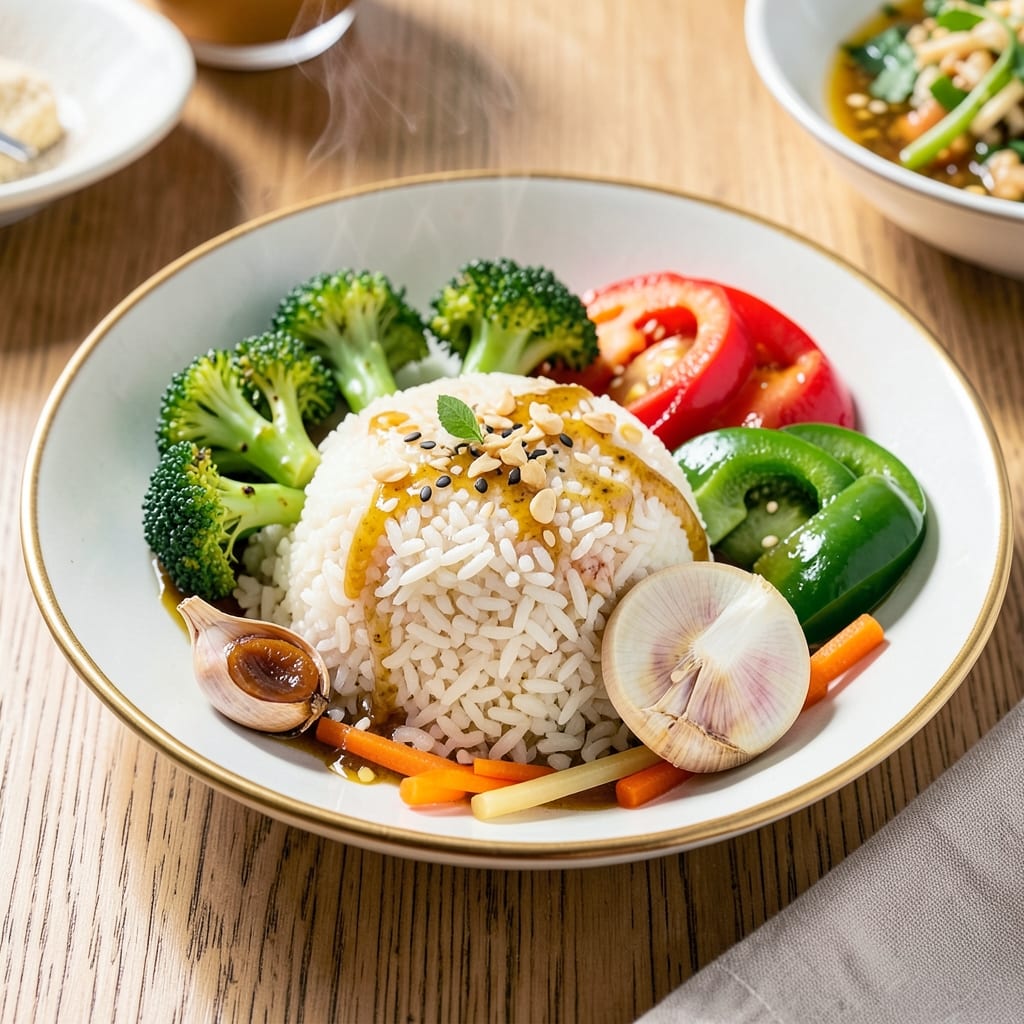
This Asian rice and vegetables recipe transforms simple ingredients into a fragrant, charred masterpiece that balances wok-tossed crispness with tender grains. The key lies in high-heat stir-frying that unlocks deep umami flavors while keeping the vegetables vibrant and the rice perfectly fluffy. I developed this method after years of experimenting with wok hei—those signature smoky notes that elevate every bite.
What sets this dish apart is the harmony of textures: crisp-tender vegetables meet sticky jasmine rice that absorbs the aromatic sauce without turning mushy. We'll use a simple yet powerful sauce blend of soy, garlic, and ginger, then finish with toasted sesame seeds for nutty depth. The technique is straightforward—perfect for weeknight dinners—but delivers restaurant-quality results.
By the time you're done, you'll have a vibrant, flavor-packed dish that's as satisfying as it is visually appealing. The charred edges on the vegetables contrast beautifully with the soft, fragrant rice, while the sauce ties everything together in perfect balance. This recipe scales effortlessly for two or six, making it ideal for meal prep or entertaining.
The beauty of this dish is its flexibility—swap in your favorite vegetables, add tofu or shrimp for protein, or adjust the heat level to suit your taste. Each component works together to create a meal that's both comforting and exciting. Let's get started on this fragrant, texturally complex Asian-inspired dish.
Ingredients for asian rice and vegetables
Simple ingredients that pack bold Asian-inspired flavors—wok-tossed to perfection with crisp vegetables and fragrant rice.
| Ingredient | Amount | Notes |
|---|---|---|
| Jasmine Rice 🍚 | 1 ½ cups | Uncooked, long-grain preferred |
| Bell Peppers 🍆 | 2 whole | Any color, sliced into strips |
| Broccoli Florets 🥦 | 1 ½ cups | Cut into bite-sized clusters |
| Carrots 🥕 | 2 whole | Julienned or matchstick-cut |
| Garlic Cloves 🧄 | 6 cloves | Minced for sauce |
| Fresh Ginger 🌿 | 1 ½ tbsp | Grated, peeled |
| Low-Sodium Soy Sauce 🍶 | 3 tbsp | For balanced umami |
| Sesame Oil 🫒 | 1 ½ tbsp | Toasted for aroma |
| Toasted Sesame Seeds 🌰 | 2 tbsp | For garnish |
| Neutral Oil 🫒 | 2 tbsp | Avocado or vegetable oil |
| Green Onions 🧅 | 3 whole | Thinly sliced, for garnish |
| Lime Wedges 🍋 | 2 whole | For serving |
| Salt 🧂 | 1 ½ tsp | Kosher or sea salt |
| Black Pepper 🌶️ | ½ tsp | Freshly ground |
The jasmine rice is non-negotiable here—its floral aroma is the heart of this dish. Day-O brand or any high-quality long-grain works best, but don't skimp on quality. For the vegetables, freshness is key—look for firm, vibrant bell peppers and broccoli with tightly packed florets. The carrots should be crisp, not woody. If you're prepping ahead, store chopped veggies in airtight containers with a paper towel to absorb moisture. The garlic and ginger should smell pungent and fresh—if they're past their prime, the whole dish will taste flat. I always grab mine from the Asian market section at Whole Foods, where they keep it extra fresh.
No soy sauce? Coconut aminos works in a pinch, though it's slightly sweeter. Fresh ginger too strong? Ground ginger at half the amount will do, but you'll lose some depth. Swapping in snap peas or bok choy is a great way to use up what you have—just adjust cooking times. The sesame oil is non-negotiable for that signature aroma, but if you're avoiding it, toasted peanut oil can mimic some of the nutty notes. For extra protein, add firm tofu or shrimp—just cook them separately and toss in at the end to avoid overcooking. The lime wedges should be fresh-squeezed for serving, but you can prep them ahead by rolling them in paper towels and storing in the fridge for up to 3 days.
Rice reheats beautifully—just add a splash of water and cover for 5 minutes on low heat. The stir-fried veggies keep for 3 days in the fridge, but they're best eaten fresh. For meal prep, store components separately and assemble when ready to eat. The sauce can be made ahead and kept in the fridge for 1 week, though the sesame oil flavor intensifies the longer it sits. If you're freezing, portion the rice and veggies separately—thaw gently and finish with fresh sesame seeds and lime juice to revive the flavors.
Why You'll Love This Recipe
- I’ll be real: jasmine rice, bell peppers, and carrots are cheap, and they last. You can swap in whatever veggies you have—frozen broccoli works just fine—and still end up with something that feels intentional. Not the prettiest, but the taste makes up for it every time.
- One-Pan Wonder: I swear by this for nights when I’d rather not wash a million dishes. Toss everything—rice, peppers, broccoli, carrots—onto one sheet pan, drizzle with oil, and let the oven do the work. The garlic roasts right into the rice, so no extra stirring or flipping.
- Crispy-Creamy Magic: That moment when the bell peppers caramelize just enough to get sticky-sweet, while the broccoli stays bright and the rice fluffs up? It’s the kind of balance that makes you pause mid-bite. Honestly, the garlic cloves—lightly charred—take it from good to ridiculously good.
- Lunchbox Hero: Between us, this is my go-to for meal prep. The flavors only get better the next day (yes, even on a Tuesday night), and it reheats like a dream. Pack it in containers, and suddenly you’ve got a lunch that’s way more exciting than sad desk salads.
Step-by-step instructions for wok-tossed jasmine rice with vegetables
Let's create a fragrant, perfectly balanced dish where tender rice meets charred vegetables.
Prepare and Parboil the Jasmine Rice
Rinse the 1.5 cups jasmine rice under cold water until the water runs clear. This removes excess starch that would otherwise make your rice gummy. Drain well in a fine-mesh strainer and transfer to a medium saucepan.
Add 2 cups water and the 1.5 teaspoons salt to the saucepan. Bring to a boil over high heat, then immediately reduce to a gentle simmer. Cover with a tight-fitting lid and cook for 12 minutes without lifting it. The rice should absorb most of the water but still have a slight bite—this is perfect for wok-tossing later.
While the rice cooks, julienne the 2 whole carrots into matchstick cuts and slice the 2 whole bell peppers into ¼-inch strips. Cut the 1.5 cups broccoli florets into bite-sized clusters. These should all be ready to cook by the time your rice finishes its initial cooking.
Build the Aromatic Sauce Base
Heat the 2 tablespoons neutral oil in a wok or large skillet over medium-high heat until shimmering. Add the 6 cloves minced garlic and 1.5 tablespoons grated fresh ginger, stirring constantly for 30 seconds until fragrant but not browned.
Pour in the 3 tablespoons low-sodium soy sauce and immediately add the prepared vegetables. Toss everything together for 2 minutes, letting the vegetables begin to soften slightly while developing color. The key here is to keep moving—don't let anything sit too long or it'll burn.
After 2 minutes, add the 1.5 tablespoons sesame oil and toss vigorously for another minute. You'll notice the vegetables start to develop a beautiful charred appearance at the edges—that's exactly what we want. Remove from heat and set aside.
Combine Rice and Vegetables
Return the saucepan with rice to high heat for 1 minute to dry out the surface slightly. This prevents the rice from turning mushy when we mix it with the vegetables. Spread the rice evenly in the wok with the vegetables.
Using clean tongs, gently fold the rice and vegetables together, coating each grain with the aromatic sauce. Work quickly but carefully—you want to distribute everything evenly without breaking the rice. The vegetables should be evenly distributed throughout the rice, with some visible charred pieces for texture.
Taste and adjust seasoning with additional soy sauce if needed. The dish should be savory but not overly salty. Transfer to a serving platter and sprinkle with the 2 tablespoons toasted sesame seeds and 3 whole thinly sliced green onions.
Serve with Fresh Lime and Garnishes
Let the dish rest for 2-3 minutes before serving to allow the flavors to meld. Garnish each serving with a lime wedge from the 2 whole lime wedges and an extra sprinkle of black pepper.
For best results, serve immediately while the rice is still warm and the vegetables retain their slight crispness. The charred edges should contrast beautifully with the tender rice, and each bite should deliver a perfect balance of smoky, umami, and fresh flavors.
Pro Tips For Making Asian Rice And Vegetables
- STIR-FRY FAST, NOT FLOOD: I learned this the hard way—dumping all veggies in at once turns your wok into a soup. Start with the hardest veggies (carrots, broccoli stems) first, then add bell peppers and florets when they’ve softened just enough. Crowding steams instead of sears, and nobody wants mushy broccoli in their rice.
- CUT CARROTS LENGTHWISE: Slice those carrots into thin half-moons, not rounds. They’ll cook faster and soak up the garlic flavor like a sponge. (Yes, even if it looks like you’re making noodles—trust the process.)
- SALT THE RICE WATER: Skip the bland rice. Add ½ teaspoon salt to the water with the jasmine rice—it seasons the grains while they cook. No need to fuss with extra seasoning later, and your rice won’t taste like nothing.
- GARLIC FIRST, THEN VEGGIES: Sear the minced garlic in oil until it’s golden (not burnt—just fragrant), then push it to the sides of the pan. Add your veggies and stir-fry for 30 seconds before mixing everything together. This locks in that nutty garlic flavor instead of letting it turn bitter.
Regional styles of these flavors
Japanese Yakisoba Style
For a Japanese-inspired twist, swap the soy sauce for 3 tbsp yakisoba sauce (found in the Asian aisle) and add 1 tbsp mirin to the sauce base. Use shredded cabbage instead of bell peppers and toss in 1 cup bean sprouts at the end for freshness. Garnish with bonito flakes for umami depth and serve with a side of pickled ginger to cut through the richness. 🌿
Thai Green Curry Twist
Transform this into a Thai-inspired dish by adding 1 can (14 oz) coconut milk to the sauce and stirring in 2 tbsp green curry paste (like Maesri brand). Swap the carrots for red bell peppers and add 1 cup sliced zucchini. Finish with fresh cilantro and lime zest for brightness. Serve with jasmine rice on the side instead of mixing it in. 🌶️
Korean Bibimbap Fusion
This Korean-inspired variation uses gochujang (Korean chili paste) instead of soy sauce—start with 1 tbsp and adjust to taste. Add 1 tbsp toasted sesame seeds directly to the sauce and stir in 1 cup spinach at the end. Top with a fried egg and extra sesame seeds before serving. The rice should be slightly sticky, like traditional bibimbap. 🍳
Vietnamese Pho-Inspired
Create a lighter, broth-based version by reducing the rice portion and adding 4 cups vegetable or chicken broth to the sauce. Include 1-inch slices of ginger in the broth and stir in 1 tsp fish sauce for depth. Serve the rice and vegetables over the warm broth in bowls, garnished with bean sprouts, Thai basil, and sriracha. 🥢
Chinese Stir-Fry Classic
For a classic Chinese take, use 1 tbsp oyster sauce alongside the soy sauce and add 1 tsp sugar to balance flavors. Include 1 cup sliced mushrooms and 1 cup water chestnuts for texture. Finish with dried shrimp (optional) and extra green onions. The rice should be lightly seasoned with 1 tsp sesame oil before mixing. 🍜
Modern Sheet-Pan Adaptation
Simplify with a sheet-pan method: Toss all ingredients (except rice) with 1 tbsp olive oil, 1 tsp smoked paprika, and ½ tsp garlic powder. Roast at 425°F for 20 minutes, then mix with cooked rice and a drizzle of sesame-ginger dressing. This works great for meal prep—just reheat the veggies separately and combine with rice. 🔥
Nutrition facts
Frequently asked questions
Can I use brown rice instead of jasmine rice?
Yes, but you'll need to adjust the cooking method. Brown rice takes longer to cook (30-40 minutes) and absorbs more water. For best results, use 1.25 cups brown rice with 2.5 cups water and cook separately. The texture will be nuttier and chewier, which pairs beautifully with stir-fried vegetables. Just avoid mixing it directly with the wok-tossed veggies—serve them on the side instead.
How do I prevent the vegetables from getting soggy?
The key is high heat and quick cooking! Start by cooking the hardest vegetables (like carrots) first for 1-2 minutes, then add softer ones (bell peppers, broccoli) later. Use a wok or large skillet with plenty of surface area to prevent overcrowding. Never cover the pan—steam makes vegetables mushy. If your veggies seem undercooked, finish them in the final toss with the rice.
What's the best way to reheat leftovers?
Reheat rice and vegetables separately in a skillet over medium heat with a splash of water or broth. For the rice, add 1-2 tablespoons liquid and cover for 2-3 minutes to restore moisture. For veggies, stir-fry for 1-2 minutes until heated through. Finish with fresh sesame seeds and lime juice to revive the flavors. Microwaving works too, but you'll lose the crisp-tender texture.
Can I make this dish vegetarian?
This recipe is already vegetarian-friendly, but you can enhance it with plant-based proteins like tofu or tempeh. Press and pan-fry 1 block (14 oz) extra-firm tofu until golden before adding it to the wok. For extra umami, add 1 tbsp vegetarian oyster sauce to the sauce base. Mushrooms also work beautifully—try adding 1 cup shiitake or oyster mushrooms with the other vegetables.
Why does my rice turn out mushy when mixed with vegetables?
Mushy rice happens when rice absorbs too much moisture from the vegetables or sauce. To fix this, always cook the rice slightly underdone (with a slight bite) and dry it out for 1 minute on high heat before mixing. Use a high-heat method like wok-tossing to quickly distribute the sauce, and avoid adding extra liquid. If it happens, spread the rice on a tray and bake at 350°F for 10 minutes to dry it out.