
Main Courses
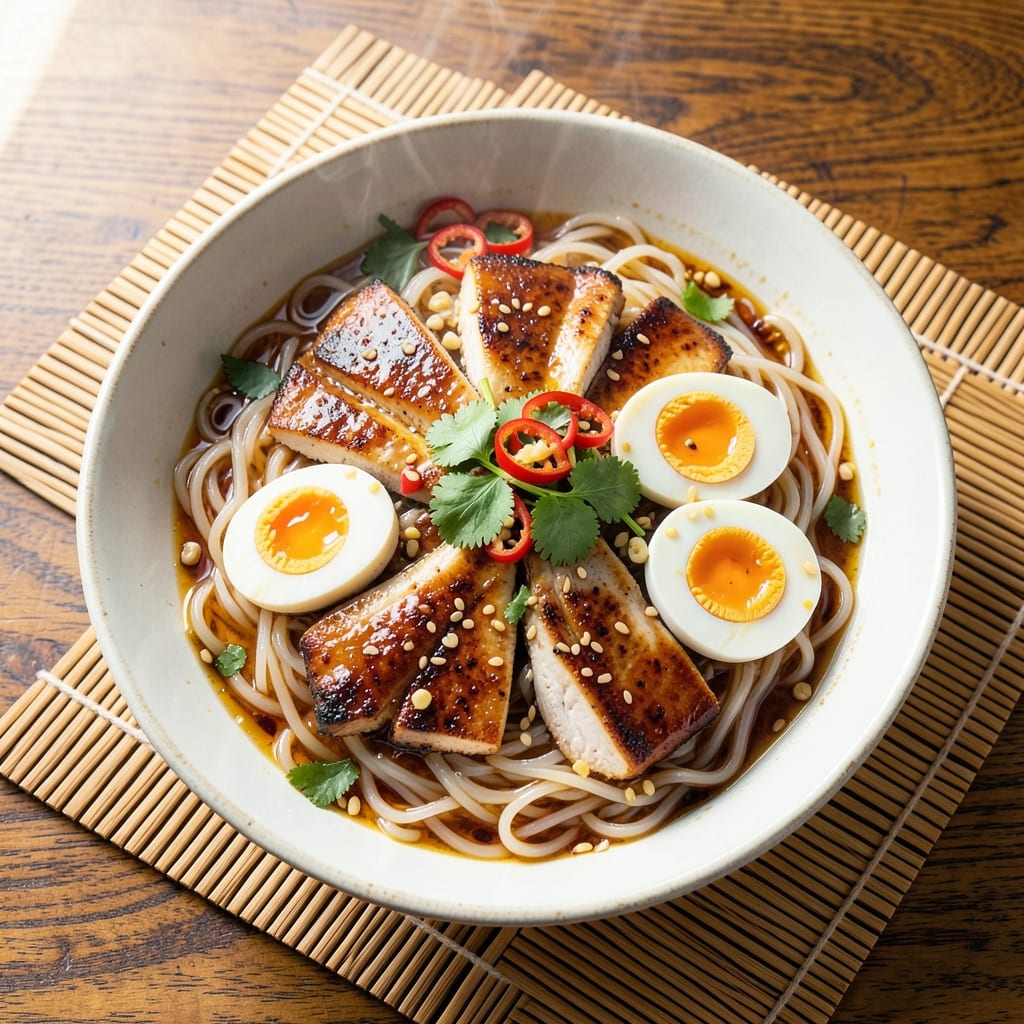
This Asian style rice noodle recipe delivers the perfect balance of crispy edges and tender noodles, packed with umami-rich flavors that make every bite irresistible. The secret lies in high-heat wok tossing that transforms soft rice noodles into golden, textured strands while keeping their delicate interior. I've perfected this technique over countless weeknight dinners—it's the kind of dish that transforms simple ingredients into something restaurant-worthy.
What sets this recipe apart is the layering of flavors: savory fish sauce, tangy lime, and aromatic herbs create a sauce that clings perfectly to the noodles without overpowering them. The protein—whether chicken, shrimp, or tofu—cooks quickly in the same wok, absorbing all those complex flavors. Even beginners will achieve professional results with just a few key techniques, like properly hydrating the noodles and maintaining high heat throughout.
By the time you plate this dish, you'll have a vibrant, aromatic bowl of wok-tossed noodles with crispy edges that give way to tender strands. The sauce coats everything evenly, creating that signature Asian umami bomb flavor that's both satisfying and balanced. This recipe is designed to impress while being simple enough for any weeknight—no fancy equipment required.
The beauty of this dish lies in its versatility. Swap proteins based on what you have on hand, adjust the sauce to your preferred level of spice, or add fresh herbs at the end for extra brightness. It's the kind of meal that gets better with each bite and leaves everyone asking for seconds. Let's get started on creating this flavor-packed noodle dish.
Ingredients for asian style rice noodle
Simple yet transformative ingredients for restaurant-quality wok-tossed noodles with crispy edges.
| Ingredient | Amount | Notes |
|---|---|---|
| Rice Noodles 🍜 | 8 oz | Flat rice noodles, uncooked |
| Boneless Chicken Breast 🍗 | 1 lb | Thinly sliced, boneless skinless |
| Large Eggs 🥚 | 2 whole | For stir-fry, beaten |
| Fish Sauce 🍶 | 2 tbsp | Red Boat preferred |
| Lime Juice 🍋 | 3 tbsp | Freshly squeezed |
| Sesame Oil 🫒 | 1 tbsp | Toasted, for aroma |
| Vegetable Oil 🫒 | ½ cup | High smoke point |
| Garlic Cloves 🧄 | 4 cloves | Minced finely |
| Fresh Ginger 🌿 | 1 tbsp | Grated finely |
| Soy Sauce 🍶 | 2 tbsp | Light or dark |
| Sugar 🍚 | 1 tbsp | White granulated |
| Green Onions 🧅 | ¼ cup | Sliced thinly |
| Fresh Thai Basil 🌿 | ¼ cup | Chopped loosely |
| Salt 🧂 | ½ tsp | Kosher or sea salt |
| Black Pepper 🌶️ | ¼ tsp | Freshly ground |
The noodles are the foundation—flat rice noodles from an Asian market are ideal, but any rice noodles work. Thai Kitchen brand is my go-to for convenience, or you can find bulk options at H Mart. Look for packages labeled 'rice vermicelli' or 'sen lek'—they're the same thing. The chicken should be thinly sliced against the grain for tenderness. If you're using shrimp, peel and devein them first, leaving the shells on for extra flavor in the sauce. The fish sauce is non-negotiable for that signature umami—Red Boat is my standard, but any reputable brand will do. Just avoid the cheap stuff that tastes like chemicals.
No fish sauce? Soy sauce plus a dash of Worcestershire gets you close, though you'll lose some depth. Short on lime? Lemon juice works in a pinch, but the flavor won't be quite the same. The sesame oil is for aroma only—use the toasted variety from Trader Joe's for maximum flavor. If you can't find Thai basil, regular basil or cilantro will work, though the flavor profile shifts. For the sauce, balance is key—start with the measurements and adjust to taste. The sugar isn't just for sweetness; it helps balance the acidity from the lime. If you're feeling adventurous, add a dash of sriracha for heat at the end.
Noodles should be cooked according to package instructions, but they'll finish cooking in the wok. Store dry noodles in a cool, dry place for up to 6 months. Fresh herbs like basil and green onions keep best in the fridge, wrapped in damp paper towels for 5-7 days. The sauce components (fish sauce, soy sauce, lime juice) can be pre-mixed and stored in the fridge for 3 days. For leftovers, keep the noodles and sauce separate—reheat the sauce first, then toss with the noodles to maintain that perfect crisp-tender texture. This dish reheats beautifully, though the edges won't be quite as crispy.
Why You'll Love This Recipe
- No Boil Required: The rice noodles soften in seconds when tossed with hot chicken and egg—no waiting for water to boil or soggy strands. Honestly, I’ve burned pasta before, but this? Just a quick soak in the pan, and you’re golden.
- Umami Bomb: Fish sauce and lime juice cut through the chicken’s mildness like a knife through butter. That bright, salty tang? It’s the kind of flavor that makes you reach for seconds without even thinking.
- Lunchbox Hero: Pack it cold or reheat it—this holds up perfectly for work lunches or picnics. My kid’s school lunchbox gets this three times a week, and the noodles stay separate but still taste fresh.
- Budget Win: Chicken breast and eggs stretch to feed four for under $10. Between us, this is the recipe I make when I’m broke but still want to feel fancy. The fish sauce makes it taste like a restaurant, not a stretch.
Step-by-step instructions for wok-tossed umami rice noodles
Here's how to achieve that signature wok-tossed texture with perfectly crisp edges and balanced flavors.
Prepare the Rice Noodles for Perfect Texture
Fill a large bowl with hot water and add the 8 oz rice noodles. Let them soak for 10-12 minutes until pliable but still slightly firm to the touch. They should separate easily when you gently prod with a chopstick—this ensures they'll crisp beautifully when stir-fried.
Drain the noodles immediately after soaking and rinse briefly under cold water to stop the cooking process. Toss with 1 tbsp sesame oil and set aside. The key here is not to over-soak—they should hold their shape when tossed in the wok, not turn mushy. If they stick together, separate them gently with your fingers before proceeding.
Create the Umami Base with Chicken and Aromatics
Heat 0.5 cup vegetable oil in a wok or large skillet over high heat until shimmering. Add the 1 lb boneless chicken breast sliced into thin strips and cook for 2-3 minutes until the edges turn light golden brown and the chicken begins to firm up. Remove and set aside temporarily.
In the same wok, add 4 cloves minced garlic and 1 tbsp grated ginger. Stir constantly for 30 seconds until fragrant—this should take less time than you think, as garlic burns quickly. Here's the thing: the garlic should smell pungent but not bitter. If it darkens too quickly, reduce the heat slightly and keep stirring.
Build the Stir-Fry Sauce with Precision
Pour in 2 tbsp soy sauce, 2 tbsp fish sauce, and 1 tbsp sugar. Let it simmer for 1 minute until slightly reduced. Add 3 tbsp lime juice and 0.25 tsp black pepper, stirring constantly. The sauce should coat the back of a spoon but remain pourable—this is your flavor foundation.
Return the cooked chicken to the wok and toss everything together for 1 minute. The chicken should absorb the sauce while maintaining its texture. If the sauce thickens too much, add 1-2 tablespoons of hot water from the noodle soaking water to loosen it. This step creates the signature umami balance that makes this dish sing.
Combine and Finish with Crispy Edges
Add the prepared rice noodles to the wok and toss vigorously over high heat for 2-3 minutes. The noodles should develop golden brown crisp edges while remaining tender throughout. Work quickly—this is where the magic happens. If the noodles stick, add a splash of water and keep tossing.
Stir in 0.25 cup sliced green onions and 0.25 cup chopped Thai basil just before serving. The basil should be added last to preserve its bright flavor. Taste and adjust seasoning with additional 0.5 tsp salt if needed—this dish should be savory, tangy, and slightly sweet all at once.
Serve Immediately for Maximum Crisp
Transfer the noodles to serving plates right away—they'll lose their crisp edges as they cool. Garnish with extra basil leaves and serve with lime wedges on the side. Each bite should deliver that perfect contrast: tender noodles with crispy edges, juicy chicken, and a burst of fresh herbs.
This recipe serves 4 and comes together in under 20 minutes—ideal for weeknight dinners that still feel special. The secret to those crispy edges lies in high heat and constant tossing, so keep that wok moving!
Pro Tips For Making Asian Style Rice Noodle
- SOAK NOODLES UNTIL PLUMP: I learned this the hard way—dry rice noodles are like wood until they hit water. Soak them in warm (not boiling) water for 10-15 minutes until they’re flexible but still slightly firm. Over-soaking turns them mushy, but under-soaking means they’ll fight you when stir-frying.
- SLICE CHICKEN THIN AND REST: Thin slices cook faster and absorb sauce better, but don’t skip resting the chicken first. Pound it to ¼-inch thickness, then let it sit 15 minutes before cutting—this keeps it from curling into tough rolls while stir-frying.
- DON’T BOIL THE EGGS: Soft scrambled eggs are the star here, so resist the urge to fully cook them. Stir them into the pan just until set—still slightly runny—so they blend seamlessly into the noodles. Overcooking makes them rubbery, and nobody wants that.
- SAVE THE STARCHY WATER: When draining your soaked noodles, don’t pour that starchy water down the drain. Reserve ¼ cup and toss it with the noodles before adding sauce—it helps the fish sauce cling better and keeps everything cohesive. Works like a natural thickener.
Flavor customization for these flavors
Spicy Kick Level
Start with the base recipe, then adjust heat to your preference. For a mild version, skip the chili flakes entirely and add 1 tsp sriracha at the end. For medium heat, stir in 1 tbsp chili garlic sauce (like Huy Fong) with the lime juice. For fiery results, add 1-2 tbsp fresh Thai chili paste (like Maesri) and a pinch of cayenne pepper to the sauce mixture. 🌶️
Sweet-Tangy Balance
Boost the sweetness by adding 1 extra tbsp sugar or 1 tbsp honey to the sauce for a caramelized depth. For tangier flavor, increase lime juice to 4 tbsp or add 1 tbsp rice vinegar to brighten the dish. If you prefer a richer sauce, replace 1 tbsp fish sauce with 1 tbsp oyster sauce—it adds a luxurious umami without overpowering.
Herb Variations
Swap Thai basil for cilantro (more citrusy) or mint (cooler, fresher) if you can’t find Thai basil. For a garlicky punch, add 1 extra minced garlic clove when cooking the aromatics. If you love nutty flavors, stir in 1 tsp toasted sesame seeds at the end. Fresh herbs should always be added last to preserve their brightness.
Protein Swaps
Replace chicken with shrimp (peeled, deveined) for a lighter dish—cook for just 1-2 minutes until pink. Use firm tofu (pressed, cubed) for a vegetarian option: pan-fry with 1 tsp cornstarch until crispy before adding to the wok. For extra richness, try ribs or pork shoulder (slow-cooked until tender) and shredded into the noodles.
Sauce Depth Boosters
Add 1 tsp miso paste to the sauce for a fermented depth. For a smoky twist, replace 1 tbsp fish sauce with 1 tbsp soy sauce + ½ tsp smoked paprika. If you love creamy textures, stir in 1 tbsp coconut milk at the end for a Thai-inspired richness. Always taste as you go—balance is key!
Nutrition facts
Frequently asked questions
How do I prevent rice noodles from turning mushy?
Soak the noodles for just 10-12 minutes in hot water until pliable but still firm. Drain immediately and rinse briefly with cold water to stop cooking. The key is high heat when stir-frying—toss constantly for 2-3 minutes until edges crisp. Over-soaking or low heat ruins the texture.
Can I make this recipe without a wok?
Use a large skillet or cast-iron pan on high heat. The goal is to mimic wok heat—keep the surface smoking hot and toss vigorously. A carbon steel pan works best, but any heavy pan will do. Just maintain that high heat to get those crispy edges.
What's the best way to store leftovers?
Keep components separate: refrigerate noodles in an airtight container and sauce separately for 3-4 days. Reheat sauce first, then toss with noodles to maintain texture. For longer storage, freeze noodles for up to 1 month—thaw overnight in the fridge before reheating. Never freeze with sauce.
How can I make this dish gluten-free?
Use tamari instead of soy sauce (check for gluten-free certification) and ensure fish sauce is gluten-free. All other ingredients are naturally gluten-free. For extra safety, verify all sauces and seasonings. The flavor remains identical—just watch those labels!
Why does my sauce taste too salty?
Fish sauce and soy sauce are both salty—start with 1 tbsp each and taste as you go. If needed, balance with 1 extra tbsp lime juice or 1 tsp sugar to cut the saltiness. Remember: you can always add more sauce later, but you can't remove salt. Adjust gradually!