
Sauces & Condiments
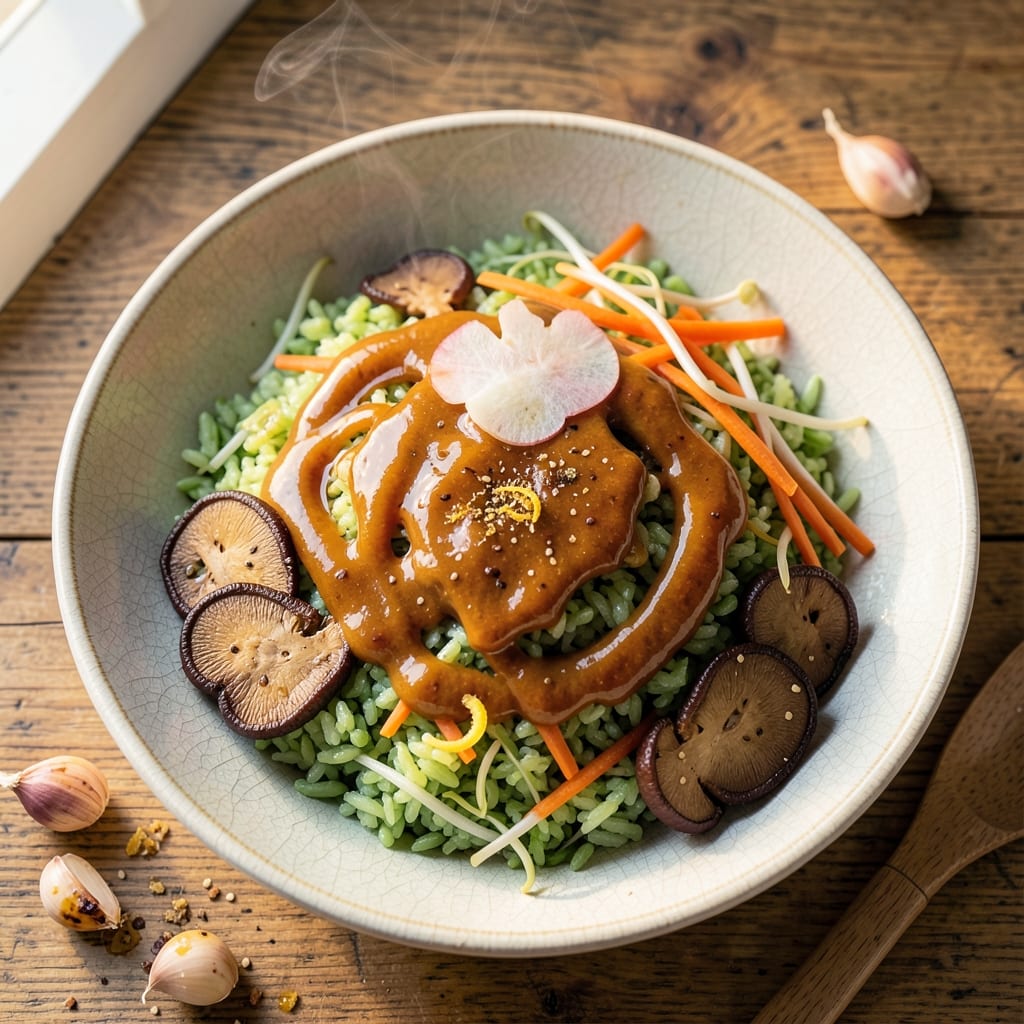
This Asian rice bowl sauce recipe delivers the perfect balance of sweet, spicy, and tangy flavors that elevate any rice bowl dish. 🌟 The secret lies in a simple yet powerful combination of soy sauce, rice vinegar, and a touch of honey, creating a sauce that's rich in umami and adaptable to both traditional and modern dishes.
With just five basic ingredients and 10 minutes of prep time, you'll have a versatile sauce that enhances proteins, vegetables, and noodles alike. The sauce's vibrant color and bold flavors transform simple rice bowls into restaurant-quality meals, making it a must-have for your cooking repertoire.
Ingredients for asian rice bowl sauce
Five ingredients transform into a vibrant sauce that brings umami, tang, and subtle heat to every rice bowl.
| Ingredient | Amount | Notes |
|---|---|---|
| Soy Sauce 🍶 | ½ cup | Light or dark soy preferred |
| Rice Vinegar 🍶 | ¼ cup | Unseasoned for tangy balance |
| Honey 🍯 | ¼ cup | Pure, unprocessed preferred |
| Sesame Oil 🫒 | 1 tbsp | Toasted sesame oil for aroma |
| Garlic Cloves 🧄 | 2 cloves | Minced for depth of flavor |
| Ginger Root 🌿 | 1 tbsp | Freshly grated, not powdered |
| Sriracha 🌶️ | 1 tbsp | Adjust for desired heat level |
| Sesame Seeds 🌾 | 1 tsp | Toasted for garnish |
The soy sauce forms the umami backbone—Kikkoman or Pearl River Bridge brands deliver consistent quality. For rice vinegar, Mushroom Town or Sushi Rice Vinegar offer the bright acidity needed without overpowering. Honey should be pure, with Manuka or local raw honey adding subtle floral notes. Sesame oil is non-negotiable for aroma; Lee Kum Kee or La Choy provide reliable toasted versions. Fresh ginger and garlic are essential—powdered lacks the complexity. Asian markets typically carry pre-grated ginger, but fresh always wins for flavor.
No soy sauce? Coconut aminos at half the amount mimics umami, though with a milder profile. Rice vinegar shortages? Apple cider vinegar works, but reduce to 1 tbsp to avoid sharpness. Honey unavailable? Maple syrup or agave substitute 1:1, though texture differs slightly. For heat control, gochujang or sambal oelek replace Sriracha at equal parts. Sesame seeds can be omitted if allergic, but the toasted oil remains critical for authentic depth.
Store unused sauce in a glass jar with a tight seal for up to 1 week in the fridge. For longer storage, divide into ice cube trays and freeze—perfect for single-serving applications. Reheat gently in a saucepan or microwave, stirring to restore silky texture. Garnish with toasted sesame seeds just before serving to preserve their crunch and aroma.
Why You'll Love This Recipe
- Five-Ingredient Magic: I swear, this sauce comes together while you’re still deciding what to watch on TV. Just toss soy sauce, vinegar, honey, sesame oil, and minced garlic into a bowl—no measuring cups, no fuss. The honey cuts through the saltiness like a dream, and that last drizzle of sesame oil? Pure flavor without extra effort.
- Umami Bomb: That first bite where the garlic hits your tongue, then the sweetness from the honey, and the tangy kick from the rice vinegar? It’s the kind of balance that makes you pause mid-bite. Honestly, I’ve tried store-bought versions, but this one’s actually better—no aftertaste, just layered depth.
- Meal Prep MVP: This sauce keeps for weeks in the fridge, so I make a big batch on Sundays and toss it into rice bowls all week. Works with chicken, tofu, or even just veggies—no one questions the leftovers. My roommate’s been stealing my jars, and I don’t even mind.
- Budget Flex: Soy sauce, vinegar, honey—these are pantry staples that won’t break the bank. A little sesame oil goes a long way, and garlic? You’ll use it up before it sprouts. Between us, this is the kind of recipe that makes grocery shopping feel like a win.
Step-by-step instructions for umami-packed Asian rice bowl sauce
This sauce delivers perfect harmony of flavors—simple steps, professional results.
🍳 Step 1: Bloom the Aromatics in Sesame Oil
Heat a small saucepan over medium-low heat and add the 1 tablespoon sesame oil. Once shimmering but not smoking, add the 2 minced garlic cloves and 1 tablespoon freshly grated ginger root. Cook for 30-45 seconds until fragrant—not browned—stirring constantly. This step unlocks the aromatic foundation of your sauce.
Here's the thing—ginger burns faster than garlic, so watch closely. You want the oil to dance around the aromatics without turning golden. Remove from heat immediately once you detect that warm, earthy aroma. Let the mixture cool slightly for 1 minute before proceeding.
🥘 Step 2: Combine Wet Ingredients for Balanced Flavor
In a medium bowl, whisk together the 0.5 cup soy sauce, 0.25 cup rice vinegar, and 0.25 cup honey until fully combined. The mixture should look smooth and uniform. Add the cooled garlic-ginger mixture and whisk vigorously for 20 seconds to distribute the aromatics evenly.
This is where the magic happens: the soy sauce provides umami depth, rice vinegar adds bright acidity, and honey rounds out the sweetness. The ratio is precise—too much vinegar makes it sharp, too much honey makes it cloying. Taste at this stage to check the balance before adding heat.
🔥 Step 3: Incorporate Heat and Finish the Sauce
Return the bowl to the saucepan and place over low heat. Stir in the 1 tablespoon sriracha and simmer gently for 3-4 minutes, stirring constantly. The sauce should thicken slightly but remain pourable. You're looking for a glossy consistency that coats the back of a spoon.
I like to taste-test during this phase. If it needs more tang, add a splash of rice vinegar. If it needs more depth, a drizzle of soy sauce. The heat from the sriracha should integrate smoothly—don't let it boil or the flavors will separate. Remove from heat once you achieve the perfect balance of sweet, spicy, and umami.
⏰ Step 4: Rest and Garnish for Optimal Texture
Transfer the sauce to a clean bowl and let it sit at room temperature for 10 minutes. This resting period allows the flavors to meld completely and the sauce to reach its ideal consistency. The honey will fully dissolve, creating a silky texture perfect for drizzling.
Before serving, toast the 1 teaspoon sesame seeds in a dry skillet over medium heat for 1-2 minutes until golden and fragrant. Sprinkle them over the sauce just before using for maximum crunch and aromatic contrast. This sauce keeps well in the refrigerator for 5 days and reheats beautifully—just stir over low heat until warmed through.
Pro Tips For Making Asian Rice Bowl Sauce
- Minimize the Heat: When you add garlic, turn off the stove—this sauce is about balance, not cooking. I learned this the hard way when my garlic burned and turned the whole sauce bitter. Just toss it in raw, then stir in the rest.
- Use Raw Honey: Skip heating the honey—it’s already sweet enough and won’t caramelize in this sauce. My grandmother swore by this, and she was right: if you cook it, you’ll end up with a cloying, overly thick glop instead of a bright, glossy finish.
- Salt the Vinegar: Add a pinch of salt to the rice vinegar before mixing—it rounds out the sharpness and makes the whole sauce taste more cohesive. I was skeptical until I tried it; now I can’t imagine making it without.
- Toast the Garlic: Smash the garlic cloves flat with the side of your knife, then lightly toast them in a dry pan for 30 seconds until fragrant. This adds depth without burning—way better than raw or overcooked garlic. (Yes, even if you’re impatient like me.)
Flavor customization for this recipe
Sweet-Spicy Balance
Start with the base recipe, then adjust the honey-to-Sriracha ratio to suit your taste. For mild heat, reduce Sriracha to ½ tablespoon and add 1 teaspoon maple syrup instead. For fiery kick, increase Sriracha to 2 tablespoons and add ½ teaspoon red pepper flakes for extra depth. I find 1:1 honey-to-Sriracha works best for most rice bowls—it keeps the sweetness from overwhelming the spice. 🌶️
Creamy Sesame Twist
Transform this sauce into a creamy sesame glaze by replacing 2 tablespoons of soy sauce with 2 tablespoons tahini and adding 1 tablespoon water to thin it out. Stir in ½ teaspoon ground white pepper for a subtle kick. This version pairs beautifully with grilled chicken or tofu—the tahini adds a luxurious silkiness while keeping the umami intact. 🫒
Tangy Miso Infusion
For a fermented depth, swap 2 tablespoons of soy sauce for 1 tablespoon white miso paste and 1 tablespoon mirin (sweet rice wine). Simmer the sauce for an extra 2 minutes to let the miso dissolve completely. This variation works wonders with steamed fish or roasted vegetables—the miso adds a savory funk that traditional soy sauce can't match. 🍶
Smoky Chipotle Fusion
Add 1 teaspoon adobo sauce (from canned chipotle peppers) and ½ teaspoon smoked paprika to the base recipe for a smoky-sweet profile. Simmer for 4-5 minutes to let the smokiness infuse. This version is perfect for BBQ chicken or pork bowls—the chipotle brings a slow-cooked, campfire vibe that elevates the dish. 🔥
Coconut-Lime Brightness
Replace 2 tablespoons of rice vinegar with 1 tablespoon coconut aminos and add 1 tablespoon fresh lime juice plus ½ teaspoon grated lime zest. Thin the sauce slightly with 1 tablespoon coconut milk for a tropical twist. This variation shines with shrimp, mango, or avocado—the lime zest adds a zesty freshness that cuts through richness. 🍋
Umami Bomb Boost
For an extra umami punch, stir in 1 teaspoon fish sauce (like Red Boat) or 1 teaspoon oyster sauce during the final simmer. This deepens the savory notes without overpowering the sweet-spicy balance. I love this version with seared scallops or mushrooms—the umami explosion makes every bite unforgettable. 💫
Nutrition facts
Frequently asked questions
Can I make this sauce without honey?
Yes! Substitute honey with 1:1 maple syrup or agave nectar for a similar sweetness level. For a different flavor profile, try ½ cup coconut sugar dissolved in 2 tbsp water first, then added to the sauce. The texture will be slightly thicker, but the sweet-spicy balance remains intact.
How do I adjust the heat level?
For milder heat, reduce Sriracha to ½ tablespoon and add ½ teaspoon extra honey. For extra spice, increase Sriracha to 2 tablespoons and add ½ teaspoon red pepper flakes during the final simmer. Always taste as you go—heat builds gradually!
Can I use this sauce on non-Asian dishes?
This versatile sauce works beautifully on burgers, tacos, or grilled meats as a marinade or glaze. For a fusion twist, drizzle it over pizza or pasta with Asian-inspired toppings. The sweet-spicy balance cuts through rich flavors perfectly.
Why does my sauce look separated?
Separation happens when the sauce cools too quickly or sits too long. Gently reheat over low heat while stirring constantly until smooth. If it still separates, whisk in 1 tsp cornstarch mixed with 1 tsp water to restore consistency. Always store in a sealed container.
What's the best way to store leftovers?
Transfer to an airtight glass container and refrigerate for up to 5 days. For longer storage, freeze in ice cube trays—perfect for single servings! Reheat gently on the stove or microwave, stirring until smooth. Never freeze with sesame seeds.