
Sauces & Condiments
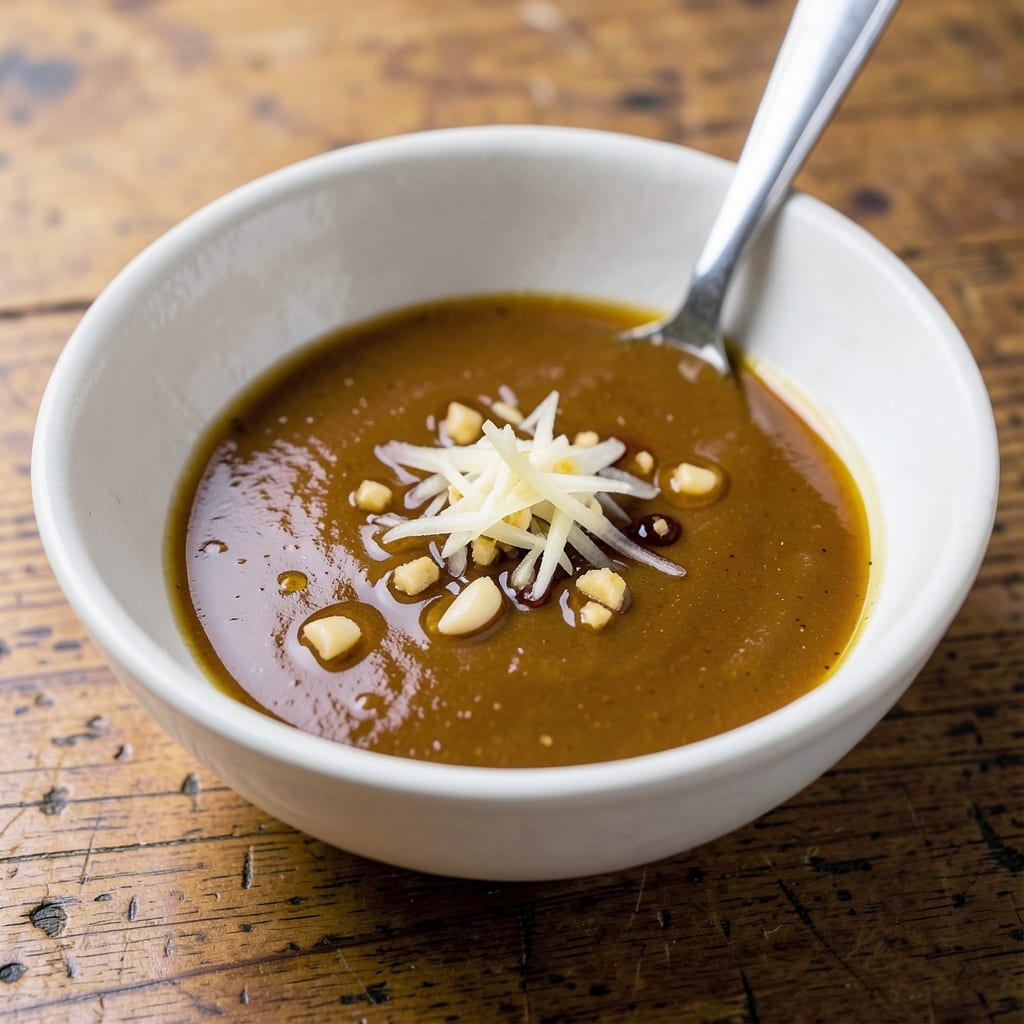
This Asian rice sauce recipe transforms simple pantry staples into a versatile, sweet-savory glaze that elevates stir-fries, marinades, and dipping sauces with just three core ingredients. The secret lies in balancing fish sauce’s umami with rice wine’s brightness and sugar’s caramel depth—simmered until thick enough to cling to every bite without overpowering your dish.
What sets this sauce apart is its adaptability—use it as a quick stir-fry glaze, a tangy marinade for meats or tofu, or even a dipping sauce for spring rolls. The process is straightforward: combine, simmer, and reduce until the aromatics meld into a rich, cohesive sauce that’s ready in under 15 minutes. No fancy techniques, just precision in flavor balance.
Ingredients for asian rice sauce
Three core ingredients meet five aromatic enhancers for a sauce that bridges sweet and savory harmony.
| Ingredient | Amount | Notes |
|---|---|---|
| White Rice Vinegar 🍶 | ½ cup | Rice vinegar adds brightness |
| Fish Sauce 🐟 | ⅓ cup | Red Boat preferred for quality |
| Granulated Sugar 🍚 | ⅓ cup | White or brown sugar works |
| Garlic Cloves 🧄 | 3 cloves | Minced for aromatic depth |
| Fresh Ginger 🌿 | 1 tbsp | Grate finely for zesty kick |
| Sesame Oil 🫒 | 1 tbsp | Toasted sesame oil preferred |
| Salt 🧂 | ½ tsp | Diamond Crystal preferred |
| Black Pepper 🌶️ | ¼ tsp | Freshly ground for warmth |
| Water 💧 | ½ cup | For thinning consistency |
The Red Boat fish sauce is non-negotiable for authentic umami depth—its clean, fermented profile avoids the harshness of cheaper brands. For rice vinegar, Miyoko's or Koyo deliver the balanced acidity needed, though any quality rice vinegar works. Fresh ginger and garlic demand attention: peel ginger with a spoon to avoid bitterness, and mince garlic finely for even distribution. Sesame oil should be toasted—heat it in a dry pan for 30 seconds to deepen its nutty aroma before adding to the sauce.
No Red Boat fish sauce? Three Crabs or Thai Kitchen are solid alternatives, though expect slightly more saltiness. Substitute brown sugar for white if you prefer milder caramel notes, or swap sesame oil for avocado oil if you're avoiding toasted flavors. Fresh ginger and garlic can be replaced with 1 tsp ginger paste and 1 tsp garlic powder in a pinch, though texture will differ. For a less salty sauce, reduce fish sauce to 2 tbsp and add 1 tbsp soy sauce instead. Always taste as you go—this sauce is about balance, not strict ratios.
Store in an airtight glass jar in the fridge for up to 3 weeks, though it often lasts 2 weeks due to the vinegar's preservative qualities. For longer storage, freeze in ice cube trays—thaw quickly in warm water when ready to use. The sauce thickens as it cools, so add water 1 tsp at a time if it becomes too syrupy. Best used within 2 weeks for peak flavor, though it remains safe indefinitely if properly refrigerated.
Why You'll Love This Recipe
- Five-Ingredient Magic: I swear, this sauce comes together with things you likely already have—no fancy shopping required. The fish sauce and vinegar balance is chef’s kiss, and the ginger adds that bright, zesty punch without overpowering.
- Umami Bomb: That first splash of fish sauce? Instant flavor upgrade. The sugar cuts the acidity just enough to make it dangerously good on everything from fried rice to grilled chicken. Honestly, I’ve never met a dish this sauce couldn’t improve.
- Pantry Staple Power: Between us, this is the kind of sauce that turns bland meals into something special—no last-minute grocery runs. I keep a jar in the fridge for when I’m prepping meals for the week or throwing together a quick weeknight dinner.
- Leftover Goldmine: Make a big batch, and you’ll have sauce for days. It doesn’t spoil fast, and the flavors actually deepen over time. (Yes, even on a Tuesday night, when takeout sounds better than cooking.)
Step-by-step instructions for Asian rice sauce
This sauce builds layer by layer—balance is everything, so follow the sequence precisely.
Bloom the Aromatics in Sesame Oil
Heat a small saucepan over medium-low heat and add the 1 tablespoon sesame oil. Once the oil shimmers gently (about 30 seconds), add the 3 cloves minced garlic and 1 tablespoon finely grated fresh ginger. Cook for 1-2 minutes until the garlic turns golden and fragrant—this prevents a raw, bitter taste.
Watch the color closely: garlic should be golden, not browned. If it darkens too quickly, reduce heat immediately. The aromatic oils release at this stage, forming the sauce's flavor foundation. Remove the pan from heat after this step to preserve these delicate flavors.
Combine Wet Ingredients for Initial Reduction
Return the pan to medium heat and add the 0.5 cup white rice vinegar, 0.33 cup fish sauce, and 0.33 cup granulated sugar. Stir continuously for 3-4 minutes until the mixture reduces by about half and thickens slightly. You'll notice the sugar begins to dissolve completely, creating a glossy consistency.
This reduction step concentrates the flavors. If the mixture seems too thin, continue cooking until it reaches a syrupy texture. The sauce should coat the back of a spoon when you lift it—this ensures proper adhesion when used as a glaze.
Add Water and Season to Perfection
Remove the pan from heat and whisk in the 0.5 cup water to thin the sauce slightly. Return to low heat and add the 0.5 teaspoon salt and 0.25 teaspoon freshly ground black pepper. Simmer for 1-2 minutes until the salt fully dissolves and the sauce reaches your desired consistency.
Taste and adjust: if too sweet, add a splash more fish sauce; if too tangy, balance with a pinch of sugar. The ideal sauce should harmonize sweet, salty, and umami notes with a bright acidity. For extra depth, strain through a fine-mesh sieve to remove any lingering ginger or garlic particles.
Cool and Rest for Maximum Flavor Development
Transfer the sauce to a clean bowl and let it cool to room temperature. This resting period (about 15-20 minutes) allows the flavors to meld completely. The sauce will thicken slightly as it cools, achieving the perfect glaze consistency for stir-fries or marinades.
For best results, store in an airtight container in the refrigerator for up to 5 days. Reheat gently before using—never boil, as this can break down the delicate balance of flavors. This sauce transforms simple stir-fries into restaurant-quality dishes with its complex sweet-savory profile.
Pro Tips For Making Asian Rice Sauce
- Minimize the Burn: Fish sauce has a low boiling point—it’ll turn bitter fast if you ignore the heat. Simmer the sauce on medium-low (or the lowest setting that still bubbles gently) and stir every 30 seconds. I learned this the hard way after a batch tasted like a chemistry experiment gone wrong. ---
- Peel Ginger Last: Fresh ginger’s oils are volatile—peeling it too early releases bitterness into the sauce. Keep the skin on until you’re ready to mince, then scrub it under cold water to remove dirt. This keeps the flavor bright and avoids that weird, overpowering sharpness. ---
- Toast Garlic First: Raw garlic in this sauce can taste harsh and metallic. Sauté the minced cloves in a dry pan for 30 seconds until fragrant but not browned—just golden around the edges. This mellows the flavor and deepens the aroma without adding extra fat. ---
- Balance the Sugar: Granulated sugar dissolves unevenly in vinegar, leaving grainy bits that ruin texture. Whisk it into the warm vinegar first, then add the fish sauce—this ensures a smooth, silky finish. (Yes, even if you’re impatient like me.)
Dietary considerations for this recipe
Gluten-Free Adaptations
This sauce is naturally gluten-free since it relies on rice vinegar and fish sauce (check labels—Red Boat and Three Crabs are certified gluten-free). For extra safety, use tamari instead of soy sauce if substituting, as traditional soy sauce contains wheat. The sesame oil and toasted sesame seeds (if added) are also gluten-free, making this sauce perfect for gluten-sensitive diets. Always verify fish sauce brands, as some may contain wheat additives. 🌾
Low-Sodium Options
If you're watching sodium, reduce the fish sauce to 2 tablespoons and add 1 tablespoon coconut aminos for umami without extra salt. The salt can also be omitted entirely if using low-sodium fish sauce. For a salt-free version, rely on the natural saltiness of the fish sauce and adjust other flavors—increase sugar slightly to balance the tanginess. Taste as you go, as sodium reduction affects overall flavor intensity.
Vegan Substitutions
Replace fish sauce with 1 tablespoon soy sauce + 1 teaspoon vegan fish sauce substitute (like Annie Chun’s) or 1 tablespoon coconut aminos. For vegan sesame oil, use toasted sesame oil (check for vegan certification). The sugar remains vegan-friendly, but ensure your rice vinegar is vegan (some brands use animal-derived processing aids). This adaptation keeps the sauce’s depth while aligning with plant-based diets. 🌱
Diabetic-Friendly Adjustments
To reduce sugar content, swap ½ the granulated sugar for monk fruit sweetener (1:1 ratio) or erythritol. The sauce will still caramelize slightly but with fewer carbs. Monitor blood sugar responses, as vinegar and fish sauce can affect levels differently. For a lower-glycemic version, use stevia (start with ½ teaspoon and adjust to taste). Always test small batches, as sugar alternatives vary in intensity.
Allergen-Free Considerations
This sauce is nut-free and egg-free, making it safe for most common allergies. If avoiding sesame, replace sesame oil with avocado oil and add 1 teaspoon toasted sunflower seed oil for a similar nutty depth. For soy allergies, use coconut aminos instead of soy sauce. Always double-check labels on fish sauce and vinegar for hidden allergens like shellfish or wheat. Cross-contamination risks are minimal if using dedicated utensils and pans. 🚫
Nutrition facts
Frequently asked questions
Can I make this sauce without fish sauce?
Yes, but the flavor will differ. Replace ⅓ cup fish sauce with 2 tbsp soy sauce + 1 tbsp coconut aminos for umami depth. For a vegetarian version, use 1 tbsp soy sauce + 1 tsp vegan fish sauce substitute like Annie Chun’s. The sauce will be slightly less complex but still delicious. Adjust salt to taste afterward.
How long does this sauce keep in the fridge?
The sauce stays fresh for up to 3 weeks when stored in an airtight glass jar in the refrigerator. The rice vinegar acts as a natural preservative, but the delicate balance of flavors peaks within 2 weeks. For longer storage, freeze in ice cube trays—thaw quickly in warm water when ready to use.
What’s the best way to use this sauce?
This versatile sauce works as a stir-fry glaze, dipping sauce, or marinade. For stir-fries, add 1-2 tbsp at the end for a glossy finish. As a dip, thin with 1 tbsp water for spring rolls or dumplings. For marinades, use ¼ cup per pound of protein (chicken, tofu, or shrimp) for 15-30 minutes before cooking.
Why did my sauce turn cloudy or separate?
Cloudiness often means the sauce needs more reduction time—simmer longer until glossy. Separation can happen if sugar crystallizes or oil separates. Fix it by whisking vigorously over low heat for 1-2 minutes to re-emulsify. For oil separation, add 1 tsp cornstarch slurry and simmer until smooth. Always cool the sauce gradually to prevent these issues.
Can I adjust the sweetness level?
For a less sweet sauce, reduce sugar to ¼ cup and add 1 tbsp extra rice vinegar for balance. For extra sweetness, increase sugar to ⅓ cup + 1 tsp and reduce vinegar by 1 tbsp. Taste after simmering—adjust in ½ tsp increments until perfect. The key is harmony between sweet, salty, and tangy notes.