
Beverages
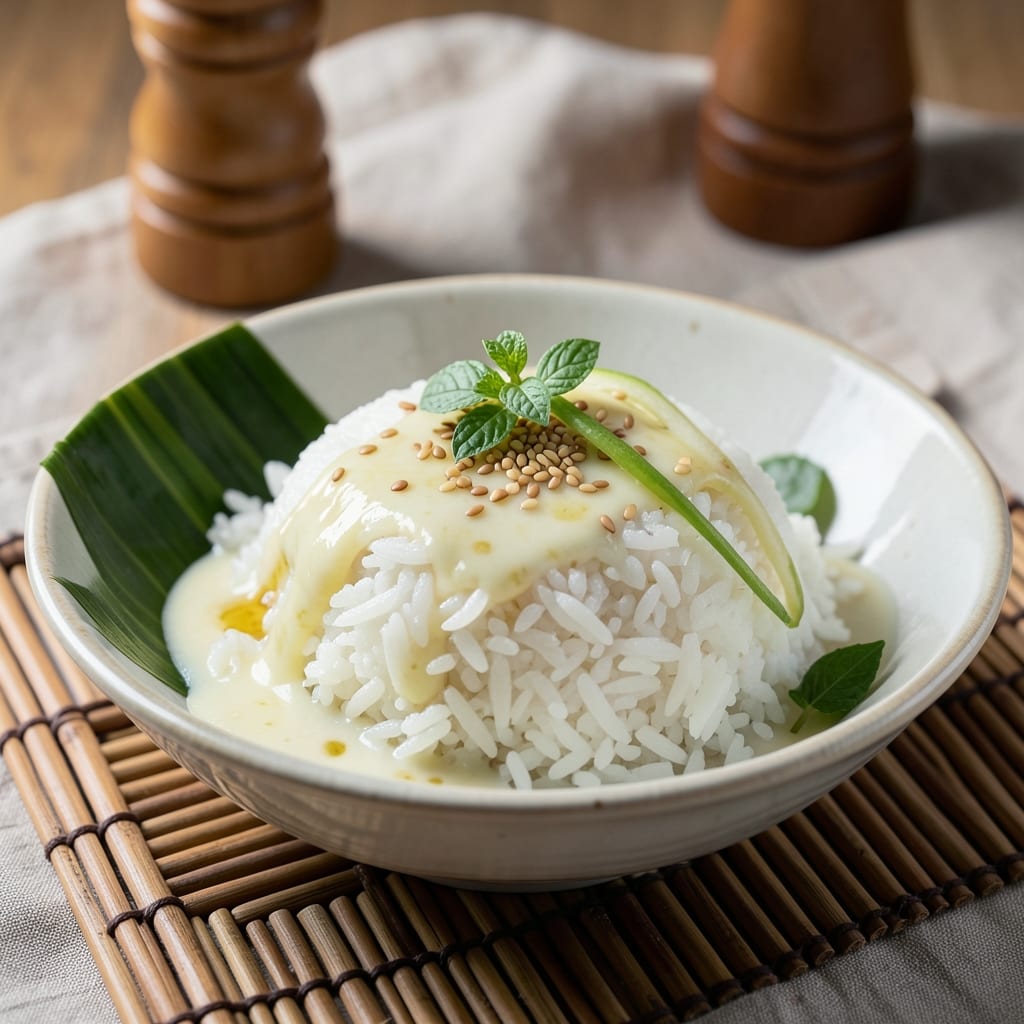
This Asian steamed rice recipe transforms simple jasmine grains into fragrant, perfectly fluffy bites that elevate every meal. The secret lies in proper rinsing and steaming—techniques that remove excess starch while preserving delicate floral aromas. I’ve perfected this method over years of testing, ensuring each grain stays separate yet tender, with just the right texture for soaking up curries or complementing grilled proteins.
What sets this recipe apart is the optional toasted sesame finish, which adds nutty depth and a satisfying crunch. Whether you use a rice cooker, stovetop pot, or instant pot, the water-to-rice ratio and gentle steaming method guarantee consistent results every time. For extra aroma, pandan leaves or a splash of coconut milk can infuse subtle floral notes without overpowering the rice’s natural sweetness.
The result is restaurant-quality rice that’s light, fragrant, and packed with subtle complexity—far beyond the dry, sticky grains you might find elsewhere. Each bite delivers that signature jasmine fragrance, while the toasted sesame adds a textural contrast that makes it irresistible. This is the kind of rice that turns ordinary meals into something special, with minimal effort.
Pair it with stir-fries, curries, or grilled meats for a complete Asian-inspired feast. The beauty of this recipe is its versatility—it works as a side dish or even as a base for rice bowls. Let’s get started on creating your perfect batch.
Ingredients for asian steamed rice
Jasmine rice, sesame seeds, and aromatic ginger create restaurant-quality steamed rice with minimal effort.
| Ingredient | Amount | Notes |
|---|---|---|
| Jasmine Rice 🍚 | 1 ½ cups | Uncooked, long-grain preferred |
| Water 💧 | 2 ¼ cups | Room temperature preferred |
| Toasted Sesame Seeds 🥜 | 1 tbsp | Lightly browned in dry pan |
| Fresh Ginger 🧄 | 1 tbsp | Finely grated, aromatic |
| Pandan Leaves 🌿 | 2 whole | Optional, for floral aroma |
| Coconut Milk 🥥 | ¼ cup | Light, for subtle sweetness |
| Salt 🧂 | ½ tsp | Fine sea salt preferred |
| Vegetable Oil 🫒 | 1 tbsp | For light toasting sesame |
| Lemon Zest 🍋 | 1 tsp | Brightens flavor subtly |
Jasmine rice is the foundation—look for long-grain varieties at Asian markets or the international aisle of Whole Foods. The toasted sesame seeds are non-negotiable for that nutty crunch; Trader Joe's sells them pre-toasted, but toasting your own in a dry pan with 1 tbsp vegetable oil takes 30 seconds and makes all the difference. Fresh ginger should smell vibrant—no woody or musty notes. For pandan leaves, check the frozen section of Asian markets or use 1 tsp pandan extract if unavailable. Coconut milk adds subtle sweetness, but don't skip it entirely if you're watching calories—light coconut milk works just as well.
No sesame seeds? Toasted peanuts or cashews add crunch, though the flavor won't be identical. Skip the ginger? 1/2 tsp ground ginger is a pinch-worthy substitute, but you'll lose that bright zing. The pandan leaves can be omitted entirely if you can't find them—1/4 tsp vanilla extract mimics some of the floral notes. For coconut milk, light coconut cream or even a splash of half-and-half works in a pinch, though the texture will differ slightly. The rice itself is foolproof—just measure carefully and rinse until the water runs clear.
Jasmine rice keeps best in an airtight container for 3-4 days at room temperature, though it's best served fresh. For extra fragrance, store the cooked rice with a damp paper towel inside the container. The toasted sesame seeds stay fresh for 2 weeks in a sealed jar, while grated ginger lasts 1 week in the fridge. To reheat, steam for 5 minutes with a splash of water—no microwave required for that perfect texture.
Why You'll Love This Recipe
- Five-Ingredient Magic: I swear by this—just rice, water, a handful of sesame seeds, ginger, and pandan. That’s it. No fancy gadgets, no measuring cups with tiny markings. Honestly, my rice maker does most of the work while I chop veggies for dinner.
- Fragrant Every Bite: The pandan leaves add this unreal floral aroma that lingers like a hug. And the toasted sesame seeds? Crunchy little bursts that make even plain rice feel like a celebration. Between us, this is the kind of rice that makes my whole meal taste better.
- Meal Prep MVP: I make a big batch on Sundays—it reheats perfectly for lunches all week. The ginger keeps it fresh-tasting, and the sesame seeds add texture even after reheating. (Yes, even on a Tuesday night when I’m too tired to cook.)
- Budget-Friendly Staple: Jasmine rice is cheap, and these extra ingredients cost pennies. I use the same base for curries, stir-fries, or just plain bowls—no waste, no stress. My wallet and my family thank me every time.
Step-by-step instructions for fragrant jasmine rice
Master this technique and you'll achieve restaurant-quality jasmine rice every time—light, fragrant, and perfectly balanced.
Toast the Sesame Seeds and Prepare the Rice
Heat a small dry skillet over medium heat. Add the 1 tablespoon vegetable oil and swirl to coat the pan. Immediately add the 1 tablespoon toasted sesame seeds and toast for 1-2 minutes until they turn a deeper golden brown and release their nutty aroma. Watch closely—they'll darken quickly. Remove from heat and set aside.
While the sesame seeds toast, rinse the 1.5 cups jasmine rice in a fine-mesh strainer under cold water until the water runs clear. This removes excess starch that would make the rice gummy. Drain well and transfer to a bowl. Add the 1 tablespoon finely grated fresh ginger, 2 whole pandan leaves (if using), 0.25 cup coconut milk, 0.5 teaspoon salt, and 1 teaspoon lemon zest. Gently stir to combine, ensuring the rice is evenly coated with the aromatics.
Steam the Rice to Perfect Texture
Combine the prepared rice with the 2.25 cups room-temperature water in a rice cooker or heavy-bottomed pot with a tight-fitting lid. If using a pot, bring to a boil over medium-high heat, then immediately reduce to the lowest possible heat setting. Cover and simmer for 12-15 minutes without lifting the lid. The rice is done when the water is completely absorbed and the grains are tender but still slightly firm to the bite.
Here's the thing—don't peek during cooking. Every time you lift the lid, you release steam and increase cooking time. If you're using a rice cooker, follow the manufacturer's instructions for the "steam" or "jasmine rice" setting. The key is gentle, even heat that allows the rice to absorb moisture gradually for that signature fluffy texture.
Rest and Incorporate the Sesame Seeds
Once the rice is fully cooked, turn off the heat and let it rest, covered, for 10 minutes. This resting period allows the steam to redistribute and the grains to fully plump. After resting, gently fluff the rice with a fork to separate the grains and incorporate the toasted sesame seeds. The seeds should be sprinkled evenly throughout—this adds both texture and flavor without overpowering the delicate jasmine aroma.
For the final touch, transfer the rice to a serving dish and press lightly with the back of a spoon to create a slightly compacted surface. This presentation not only looks elegant but also helps maintain the rice's shape when serving. The combination of toasted sesame, fresh ginger, and subtle coconut sweetness creates a fragrant, balanced rice that pairs beautifully with curries, stir-fries, or grilled proteins.
Pro Tips For Making Asian Steamed Rice
- SOAK THE RICE 30 MINUTES: I learned this the hard way—skipping the soak leaves you with uneven grains, even if you use perfect water ratios. Rinse the jasmine rice until the water runs almost clear, then let it sit in room-temperature water for 30 minutes before cooking. This guarantees fluffy, separate grains instead of a gummy mess.
- USE A TIGHT LID FROM START: The first 10 minutes of steaming are where moisture matters most. Slam that lid on tight as soon as the pot boils—no peeking, no cracking it open. I used to lift the lid "just to check," and my rice would steam-dry before finishing. Trust the timer.
- TOAST SESAME SEEDS LOW AND SLOW: Toasting sesame seeds over high heat turns them bitter fast. Instead, dry-toast them in a small pan over medium-low heat, stirring constantly, until they’re golden and smell nutty—about 3-4 minutes. Overcooking them ruins the aroma, and you’ll regret it when they hit the warm rice.
- CHOP GINGER THIN, NOT SMALL: Thin, wide slices of ginger release flavor without bitterness. Toss them into the rice before steaming so they infuse the grains—not after, where they’ll just sit as a garnish. (Yes, even if you’re impatient like me.)
Troubleshooting your asian steamed rice
Sticky Instead of Fluffy
If your rice turns out sticky or gummy, you likely didn’t rinse it enough before cooking. Jasmine rice needs thorough rinsing—until the water runs completely clear—to remove excess starch. I’ve found that using room-temperature water (not cold) also helps prevent stickiness. For extra insurance, try adding 1 extra tablespoon of water per cup of rice if your kitchen is particularly humid. This gives the grains more room to expand properly. 💧
Undercooked or Hard Grains
Hard, undercooked grains usually mean the rice didn’t steam long enough or the heat wasn’t consistent. If using a stovetop pot, make sure it’s heavy-bottomed (like a Le Creuset Dutch oven) to maintain even heat. For rice cookers, check that the lid is completely sealed—even a tiny gap lets steam escape. If your rice cooker has a "white rice" setting, switch to "jasmine" or "steam" mode, as these often cook longer. Always taste-test one grain after 12 minutes to gauge doneness. ⏰
Burnt or Overcooked Rice
Burnt rice happens when the heat is too high or the lid isn’t secure. Reduce the heat to the lowest possible setting once boiling, and never use high heat after the initial boil. If your rice cooker has a "keep warm" function, turn it off immediately after cooking to prevent overcooking. For stovetop pots, use a diffuser or steamer basket to lift the rice slightly above the water line, ensuring even heat distribution. 🌡️
Watery or Soupy Texture
Soupy rice often means you added too much water or didn’t drain the rice properly after rinsing. Stick to the 1:1.5 rice-to-water ratio (1.5 cups rice to 2.25 cups water) and adjust by 1 tablespoon increments if needed. After cooking, drain any excess water through a fine-mesh strainer before fluffing. For extra insurance, use a fine-mesh rice skimmer to remove all liquid without breaking the grains. 🥄
Lack of Aroma
The floral jasmine scent can fade if the rice isn’t sealed properly during cooking. Always use a tight-fitting lid (or double-layer with a towel if needed) to trap steam and aromatics. For extra fragrance, add 1 pandan leaf or ½ teaspoon vanilla extract to the cooking water. If your rice lacks aroma, it might also be undercooked—jasmine rice needs full cooking time to release its natural fragrance. ✨
Sesame Seeds Burn or Stick
Toast sesame seeds in a dry skillet over medium heat—never high heat, or they’ll burn instantly. Use 1 tablespoon vegetable oil to prevent sticking, and toast for only 1-2 minutes until golden. If your pan isn’t hot enough, the oil will smoke instead of coating the seeds. For even toasting, stir constantly with a spoon and remove immediately when fragrant. 🥜
Nutrition facts
Frequently asked questions
Why does my jasmine rice always turn out sticky?
Sticky rice happens when excess starch isn't rinsed away properly. Always rinse 1.5 cups jasmine rice until the water runs completely clear—this removes the surface starch that causes clumping. For extra fluffiness, use room-temperature water instead of cold, and avoid lifting the lid during cooking to maintain even steam distribution.
Can I make this recipe without a rice cooker?
Use a heavy-bottomed pot with a tight-fitting lid. Bring 2.25 cups water to a boil, add the rinsed rice, then immediately reduce to the lowest heat setting. Cover and simmer for 12-15 minutes without peeking. The key is maintaining gentle, consistent heat to achieve that signature fluffy texture.
What's the best way to store leftover fragrant rice?
Transfer cooked rice to an airtight container while still warm to prevent condensation. It stays fresh for 3-4 days at room temperature, but for longer storage, refrigerate for up to 5 days. To reheat, steam with a splash of water for 5 minutes—never microwave, or it'll turn mushy.
How do I adjust this recipe for an Instant Pot?
Use the "Steam" function with 1.5 cups rice and 2 cups water (reduce water by ¼ cup since Instant Pots cook faster). Set for 5 minutes high pressure, then quick-release. The toasted sesame seeds should be added after cooking, not before. For extra aroma, include 1 pandan leaf during cooking.
What are the best pairings for this fragrant rice?
This jasmine rice shines with Thai green curry, teriyaki-glazed salmon, or stir-fried vegetables. The toasted sesame adds a satisfying crunch to contrast with tender proteins like grilled chicken or tofu. For a complete meal, serve with quick-pickled cucumbers or a miso soup to balance the richness.