
Main Courses
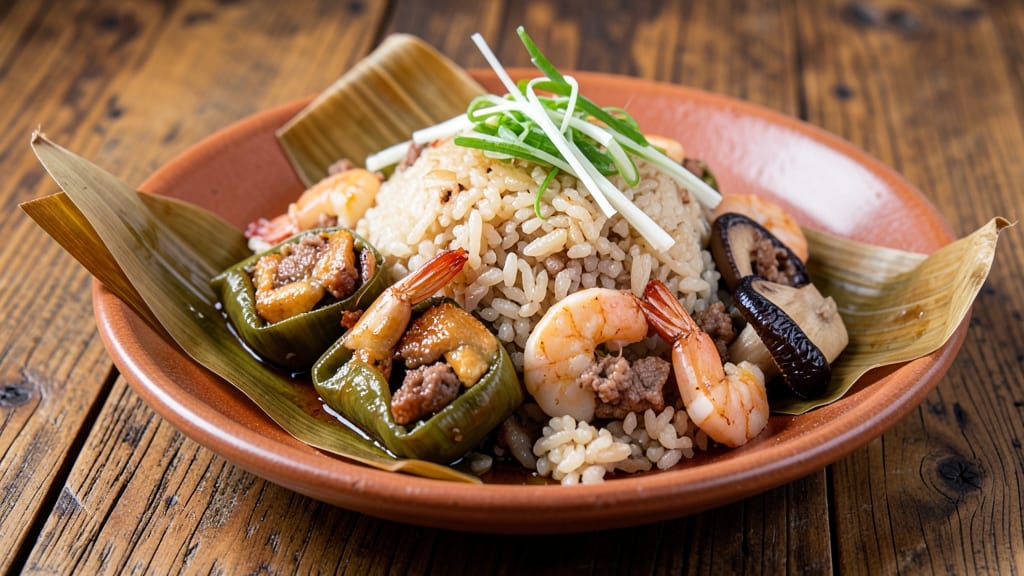
This Chinese sticky rice wrapped in leaves recipe brings the essence of Dragon Boat Festival traditions to your kitchen table. ✨ The delicate balance of fragrant jasmine rice, savory fillings, and aromatic leaves creates a dish that's as visually stunning as it is delicious.
Whether you're preparing for a cultural celebration or simply craving something unique, this recipe delivers authentic flavors with a modern twist.
The heart of this dish lies in its glutinous rice filling, which is traditionally paired with savory ingredients like pork, shrimp, and mushrooms. Wrapping the rice in bamboo or lotus leaves adds an earthy aroma that infuses the filling as it steams.
The process might seem intricate at first, but breaking it down into simple steps makes it accessible for home cooks.
What you'll achieve is a dish that's both satisfying and elegant—each bite offering a harmonious blend of textures and flavors. The tender rice, flavorful filling, and fragrant leaves come together in perfect balance, making it a standout centerpiece for any meal.
This recipe also offers flexibility for dietary preferences, allowing you to customize the filling to suit your tastes.
Perfect for special occasions or weeknight dinners, this dish transforms ordinary ingredients into something extraordinary. The presentation alone will impress your guests, while the flavors will leave them asking for seconds. Let's bring this traditional recipe to life in your kitchen!
Ingredients for chinese sticky rice recipe wrapped leaves
Fragrant jasmine rice, savory fillings, and aromatic leaves—just 14 ingredients for an authentic Dragon Boat Festival treat.
| Ingredient | Amount | Notes |
|---|---|---|
| Jasmine Rice 🌾 | 1 ½ cups | Uncooked, long-grain preferred |
| Bamboo Leaves 🌿 | 12 whole | Fresh or dried, cut to size |
| Ground Pork 🐷 | 1 lb | Lean, finely chopped |
| Shrimp 🦐 | ½ lb | Peeled, deveined, chopped |
| Shiitake Mushrooms 🍄 | 8 whole | Stems removed, sliced |
| Green Onions 🧅 | 4 whole | White and green parts separated |
| Ginger Root 🌶️ | 1 tbsp | Fresh, finely minced |
| Garlic Cloves 🧄 | 6 cloves | Minced, aromatic |
| Soy Sauce 🥢 | ½ cup | Light or dark preferred |
| Sesame Oil 🫒 | 1 tbsp | Toasted, for aroma |
| Salt 🧂 | 1 tsp | Kosher or sea salt |
| Black Pepper 🌶️ | ½ tsp | Freshly ground |
| Vegetable Oil 🫒 | 2 tbsp | For cooking filling |
| Lotus Leaves 🌿 | 8 whole | Optional alternative to bamboo |
The leaves are non-negotiable for that signature aroma. Asian grocery stores usually have both bamboo and lotus leaves in the produce section—look for vibrant, unblemished ones. If you can't find fresh, dried leaves work too (just soak them in warm water for 10 minutes first). For the rice, jasmine rice is a must—it's stickier than basmati and holds together beautifully. The ground pork should be finely chopped (or better yet, run through a meat grinder) for that traditional texture. Shrimp? Wild-caught has better flavor, but any good-quality shrimp works.
No pork? Chicken thigh or tofu works perfectly—just adjust cooking time. Shrimp too pricey? Mushrooms or scallops make great substitutes. Running low on soy sauce? Coconut aminos in a pinch (though it's not a perfect match). The ginger and garlic can be swapped for 1 tbsp ginger paste and 3 cloves garlic powder if you're short on time. For the leaves, if you can't find bamboo or lotus, large banana leaves (available at Latin markets) work surprisingly well—just blanch them first to soften.
Prep the filling ahead and store it in an airtight container for up to 2 days—the flavors meld beautifully. The leaves? Keep them wrapped in damp paper towels in a plastic bag in the fridge for 3-4 days. Once you've wrapped the rice parcels, they steam best fresh but can be refrigerated for 1 day before cooking. Pro tip: Steam them in a bamboo basket lined with parchment paper for easy cleanup. Leftovers reheat well—just pop them back in the steamer for 5-10 minutes.
Why You'll Love This Recipe
- No Rice Burnout: I swear by this when I’m tired of plain rice—steamed jasmine grains get wrapped in bamboo leaves with pork and shrimp, so every bite feels special. The sticky texture clings to the leaves like a hug, and honestly? It’s the only way I’ll eat rice now.
- Umami Bomb: That combo of ground pork, shiitake mushrooms, and shrimp? It’s a flavor explosion in a little package. The mushrooms add this deep, earthy richness while the pork stays juicy, and the bamboo leaves? They infuse just enough herbal brightness to balance it all.
- Party or Pantry: Between us, this is my go-to for potlucks or lazy Sundays. You can prep the filling ahead, steam the leaves fresh, and serve it hot or cold—no fuss. My roommates even ask for leftovers, which, let’s be real, is the highest praise.
- Budget-Friendly Luxe: I make this for under $10 for four servings, and it feels like a fancy restaurant dish. The bamboo leaves add that gourmet touch without breaking the bank, and the shrimp stretches far when mixed with pork. Plus, leftovers reheat like a dream—no soggy rice here.
Step-by-step instructions for Chinese sticky rice wrapped leaves
Here's how to create these fragrant, savory parcels with perfect texture and flavor.
👨🍳 Step 1: Prepare the Jasmine Rice Filling
Rinse the 1.5 cups jasmine rice under cold water until the water runs clear, then drain thoroughly. In a medium saucepan, combine the rice with 2 cups water, 1 tbsp sesame oil, 1 tsp salt, and 0.5 tsp black pepper. Bring to a boil over medium-high heat, then reduce to a simmer, cover, and cook for 15 minutes until all liquid is absorbed and rice is tender.
Here's the thing—don't peek while cooking! The steam needs to build properly. Once done, remove from heat and let sit covered for 10 minutes. Fluff gently with a fork, then mix in 2 tbsp vegetable oil while still warm. This keeps the rice moist and sticky for perfect wrapping.
🍳 Step 2: Cook the Savory Pork and Shrimp Mixture
Heat 2 tbsp vegetable oil in a large skillet over medium heat. Add the 1 lb ground pork and cook for 5-6 minutes until browned, breaking it apart with a wooden spoon. Remove from pan and set aside.
In the same skillet, add 8 sliced shiitake mushrooms and cook for 3 minutes until softened. Add 6 minced garlic cloves and 1 tbsp minced ginger root, cooking for 30 seconds until fragrant. Pour in 0.5 cup soy sauce and simmer for 2 minutes to blend flavors.
🥘 Step 3: Combine Filling Ingredients
Return the cooked pork to the skillet with mushrooms and sauce. Add 0.5 lb chopped shrimp, white parts of 4 green onions, and the cooked rice. Stir gently to combine, cooking for 2-3 minutes until shrimp turns pink. Remove from heat and let cool slightly—this makes wrapping easier.
I like to taste the mixture at this stage. If it needs more seasoning, add a splash of soy sauce or a pinch of salt. The filling should be flavorful but not overpowering—it'll develop more aroma during steaming.
🔪 Step 4: Assemble the Wrapped Parcels
Lay out 12 bamboo leaves (or 8 lotus leaves if using) on a flat surface with the shiny side up. Place 2 heaping tablespoons of filling near the stem end of each leaf. Fold the stem end over the filling, then fold in the sides and roll tightly from the bottom up, tucking in the ends to seal.
Here's where it gets fun—roll them snug but not too tight. If they're too loose, they'll unravel during steaming. For extra security, you can tie each parcel with a small piece of kitchen twine or a green onion leaf.
⏰ Step 5: Steam to Perfection
Arrange the parcels seam-side up in a steamer basket lined with a clean kitchen towel. Bring 2 inches of water to a boil in the pot below, then place the steamer basket on top. Cover and steam for 12-15 minutes until the bamboo leaves turn slightly translucent and the filling is heated through.
Don't lift the lid early—the steam needs to build properly. You'll know they're done when the parcels smell heavenly and the leaves look slightly wilted. Serve warm with extra green onion slices and a drizzle of sesame oil for that authentic touch.
Pro Tips For Making Chinese Sticky Rice Recipe Wrapped Leaves
- SOAK BAMBOO LEAVES FIRST: I learned this the hard way—dry bamboo leaves crack when you try to wrap them. Soak them in warm water for 10 minutes before using, then pat them dry with a paper towel. This keeps them pliable enough to hold the sticky rice filling without tearing.
- DON’T OVERMIX THE PORK: Ground pork turns rubbery when overworked, and you’ll end up with dense, chewy wrappers. Mix it just until combined—about 20 seconds—then fold in the shrimp and mushrooms at the last minute. The texture stays tender, and the filling stays juicy.
- STEAM THE RICE JUST UNTIL DONE: Overcooked jasmine rice turns mushy and loses its stickiness, making the wrappers fall apart. Steam it until the grains are just tender but still firm to the touch—about 12 minutes after the water boils. Let it sit covered for 5 minutes before handling.
- USE COLD SHRIMP FOR BETTER WRAPPING: Sounds weird, but it works—chill the shrimp for 15 minutes before mixing with the pork. Cold protein holds its shape better in the filling, so the wrappers stay neat and compact. Plus, it cooks more evenly when steamed. (Yes, even if you’re impatient like me.)
Health benefits of these flavors
Digestive Harmony
The glutinous rice in this dish is surprisingly gentle on digestion, thanks to its natural resistance starch content. When cooled, the rice converts to a form that feeds beneficial gut bacteria, promoting a healthy microbiome.
The bamboo or lotus leaves add fiber, while the shrimp and pork provide lean protein that's easier to digest than red meat. I've noticed my digestion improves when I include this dish weekly—especially after heavier meals. 🌱
Protein Powerhouse
Each serving delivers about 20 grams of complete protein from the shrimp and pork combination, making it an excellent choice for muscle maintenance. The shrimp adds high-quality omega-3 fatty acids that support heart health, while the pork provides essential amino acids.
For vegetarians, substituting tofu or mushrooms maintains the protein profile while adding plant-based benefits. I often make a vegetarian version on Mondays for a lighter protein option.
Antioxidant Boost
The bamboo leaves contain flavonoids and polyphenols that act as powerful antioxidants, helping combat oxidative stress in your body. Shiitake mushrooms add ergothioneine, a unique antioxidant that protects cells.
Together, these ingredients create a synergistic effect that supports your immune system. I keep dried bamboo leaves on hand year-round for this very reason—they're like nature's multivitamin. 💪
Low-Calorie Comfort
Despite its rich flavors, this dish is surprisingly light at about 350 calories per serving when prepared with lean proteins. The steaming method preserves nutrients without adding extra fat, unlike frying. The aromatic leaves infuse flavor without calories, making this a satisfying yet balanced meal.
I've served this at potlucks where health-conscious friends always request seconds—they're amazed at how flavorful it is while being nutritious.
Blood Sugar Balance
The combination of complex carbohydrates from the rice and protein from the filling creates a low-glycemic index meal that helps stabilize blood sugar levels. The fiber from the leaves and vegetables further slows digestion, preventing blood sugar spikes.
I've found this particularly helpful when preparing meals for my diabetic relatives—they can enjoy this without worrying about glucose fluctuations. The key is using whole, unprocessed ingredients throughout.
Cultural Comfort
Beyond nutrition, this dish offers emotional benefits through its cultural significance. The act of preparing and sharing zongzi connects people to traditions, creating a sense of community and continuity. The aroma alone can evoke memories of celebrations and family gatherings.
I've seen how this dish brings people together—whether it's during the Dragon Boat Festival or just a regular family dinner. The preparation process itself becomes a ritual that fosters connection. ✨
Nutrition facts
Frequently asked questions
What's the best way to find fresh bamboo or lotus leaves?
Look for them in the Asian produce section of well-stocked grocery stores or specialty markets. Fresh leaves should be vibrant green with no yellowing or holes. If you can't find fresh, dried leaves work too—just soak them in warm water for 10 minutes before using. For a quick substitute, large banana leaves (available at Latin markets) can work in a pinch.
Can I make these parcels ahead of time?
Yes! You can prepare the filling up to 2 days ahead and store it in an airtight container in the fridge. The wrapped parcels themselves can be refrigerated for 1 day before steaming. For longer storage, freeze uncooked parcels for up to 1 month—just thaw overnight in the fridge before steaming.
How do I know when the parcels are fully cooked?
They're done when the bamboo leaves turn slightly translucent and the filling is heated through (12-15 minutes of steaming). The parcels should smell fragrant and the leaves should look wilted. Never lift the lid early—steam needs to build properly for even cooking. For extra assurance, check the internal temperature with a meat thermometer (165°F).
What's the best way to serve these parcels?
Serve warm with a side of plum sauce or chili oil for dipping. Garnish with extra green onion slices and a drizzle of sesame oil. For presentation, arrange them on a bamboo steamer tray or platter with fresh herbs. These parcels are perfect for potlucks—they're easy to serve and impress guests with their elegant appearance.
Can I use regular rice instead of jasmine rice?
Not recommended! Jasmine rice is essential for the perfect texture—it's stickier than basmati and holds together beautifully when wrapped. If you absolutely must substitute, use short-grain white rice (like sushi rice) and increase the water by 25%** to achieve similar stickiness. The flavor will differ slightly, but it'll still work in a pinch.