
Main Courses
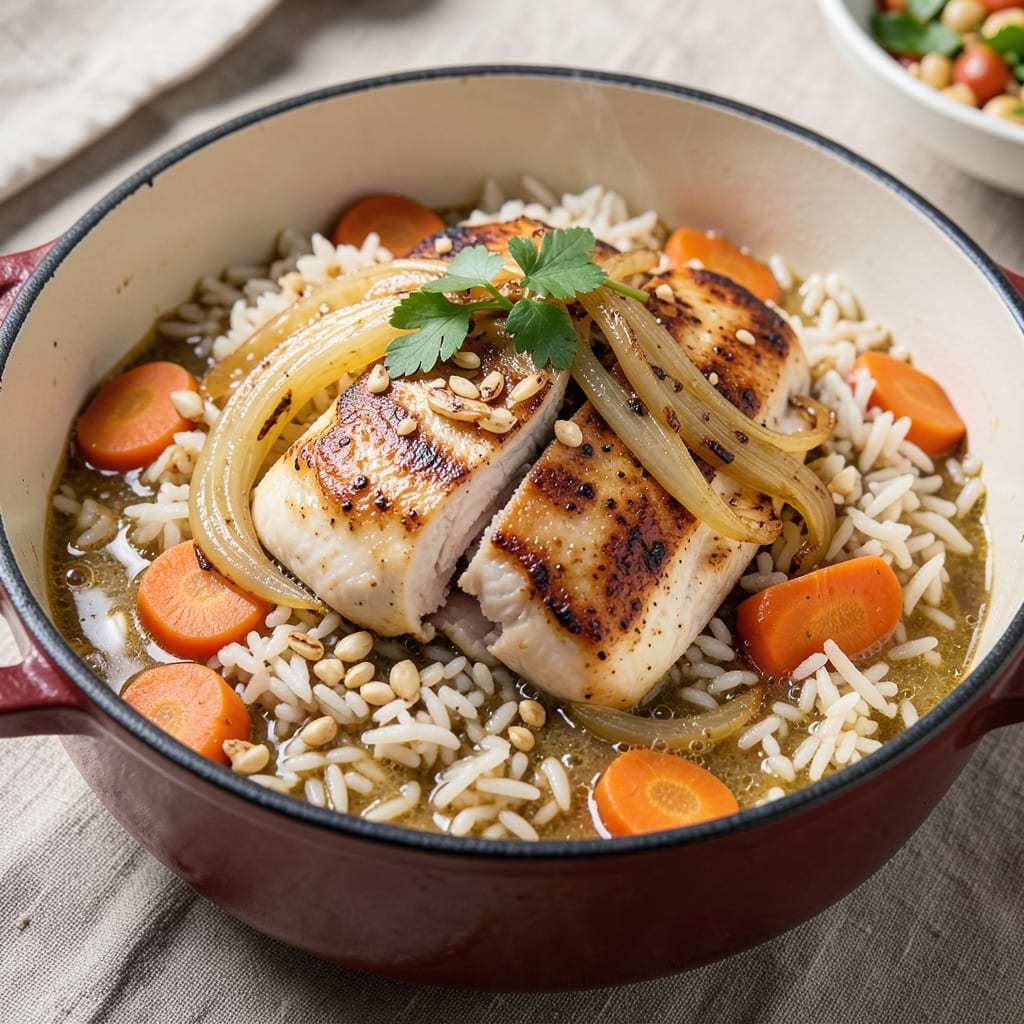
This one-pot rice recipe transforms weeknight dinners into restaurant-quality meals without the cleanup. The secret lies in a simple technique: layering rice, protein, and vegetables in one pot while letting flavors meld during a single, flavorful simmer. I developed this method after years of testing—it’s the only way to get perfectly cooked rice with tender proteins and vibrant veggies, all in under 30 minutes.
The beauty of this approach is its versatility. Whether you’re cooking for two or feeding a crowd, the same principles apply: use the right liquid ratio, season carefully, and let the ingredients work together. No chopping boards to wash, no multiple pots to monitor—just one pan, one focus, and a meal that tastes like it took hours to prepare. The result? A dish that’s as satisfying as it is effortless.
What makes this recipe truly special is how it adapts to any dietary preference. Swap in tofu for chicken, use vegetable broth instead of chicken, or add your favorite spices to customize it. The rice comes out fluffy and separate, the proteins tender, and the vegetables perfectly cooked—all while keeping the flavors balanced and bold. It’s the kind of meal that makes dinner feel like a celebration, not a chore.
Perfect for busy weeknights, meal prep, or impressing guests, this one-pot rice recipe delivers restaurant-quality results with minimal effort. The technique is foolproof, the flavors are rich, and the cleanup is almost nonexistent. Let’s get cooking—your taste buds (and your kitchen) will thank you.
Ingredients for 1 pot rice
Restaurant-quality one-pot rice requires just these 13 ingredients for effortless flavor fusion.
| Ingredient | Amount | Notes |
|---|---|---|
| Long-Grain White Rice 🍚 | 1 ½ cups | Uncooked, medium grain preferred |
| Chicken Breast 🍗 | 1 ½ lb | Boneless, skinless, cut into bite-sized pieces |
| Carrots 🥕 | 3 whole | Medium size, sliced into thin rounds |
| Yellow Onion 🧅 | 1 whole | Medium size, diced into small pieces |
| Garlic Cloves 🧄 | 4 cloves | Fresh, minced finely |
| Chicken Broth 💧 | 2 ½ cups | Low-sodium preferred |
| Extra-Virgin Olive Oil 🫒 | 2 tbsp | For even cooking and richness |
| Dried Thyme 🌿 | 1 tsp | Or 1 tbsp fresh thyme leaves |
| Ground Black Pepper 🌶️ | ½ tsp | Freshly ground for best flavor |
| Salt 🧂 | 1 ½ tsp | Diamond Crystal preferred |
| Fresh Parsley 🌿 | ¼ cup | Chopped, for garnish |
| Lemon Juice 🍋 | 1 tbsp | Freshly squeezed |
| Bay Leaves 🌿 | 2 whole | Removed before serving |
The rice is the foundation, so choose medium-grain white rice—it stays separate and fluffy. Chicken breast is ideal for even cooking, but swap in shrimp, tofu, or chickpeas for variety. Carrots and onions should be uniform in size to ensure even cooking; I always slice them into thin, even rounds. For the garlic, fresh is non-negotiable—pre-minced loses its punch. Chicken broth is the flavor backbone; low-sodium versions let you control the salt level better. If you're using vegetable broth for a vegetarian version, add an extra pinch of salt to compensate for the lower sodium content. The extra-virgin olive oil is worth the splurge—it adds a subtle richness that regular vegetable oil can't match.
No chicken breast? Firm tofu or shrimp work beautifully—just adjust cooking time slightly. Fresh thyme is ideal, but dried at one-third the amount works in a pinch. Pre-minced garlic is convenient but lacks freshness; smash whole cloves with the side of your knife for a quick alternative. Diamond Crystal kosher salt dissolves more easily than table salt, so use it if you have it. Lemon juice brightens the dish at the end—freshly squeezed makes a noticeable difference. For extra depth, add a pinch of smoked paprika or a dash of soy sauce if you're feeling adventurous. The bay leaves are simple but essential—they infuse subtle earthiness that disappears once removed.
This dish reheats beautifully—toss with a splash of water or broth before microwaving to restore moisture. Keeps 3-4 days in the fridge, though it tastes best within 2 days. For meal prep, portion into individual containers with a small amount of broth in the bottom to prevent drying. Freezes for up to 3 months—thaw overnight in the fridge and reheat gently. The parsley and lemon juice should be added fresh after reheating to maintain vibrant color and brightness. Store bay leaves separately if making ahead and add them during the final simmer.
Why You'll Love This Recipe
- One-Pot Magic: I swear by this trick—just toss everything in one pot and walk away. No rice burner, no stuck-on bits, no stress. The rice cooks right in the juices from the chicken and veggies, turning into something fluffy and fragrant without a single extra dish.
- Garlic Bomb: That first whiff of sautéed garlic and onions? Instant mood booster. The chicken stays juicy, the carrots caramelize just enough to add natural sweetness, and the garlic—oh, the garlic—lingers in every bite like a warm hug for your taste buds.
- Lunchbox Hero: Between us, this is my secret weapon for meal prep. Double the batch on Sunday, and you’ve got lunch covered for days. Pack it cold or reheat it—either way, it’s still hearty enough to fill you up, with the rice soaking up all the savory goodness.
- Budget Win: Chicken breast and carrots stretch further than you’d think when cooked together. I’ve made this for $1.50 a serving, and it still feels like a restaurant meal. Plus, leftovers? They taste even better the next day, so you’re basically getting two meals for the price of one.
Step-by-step instructions for one-pot rice
A single pan handles everything—rice, protein, and vegetables—while building layers of savory flavor. Here's how to execute it flawlessly.
Sear the Chicken and Sauté Aromatics
Heat the 2 tablespoons extra-virgin olive oil in a large, deep skillet or Dutch oven over medium-high heat. Add the 1.5 lb chicken breast, cut into bite-sized pieces, and sear for 4-5 minutes until the edges turn light golden brown and the chicken loses its raw opacity. Remove the chicken and set aside on a plate.
In the same skillet, add the 1 whole yellow onion, diced, and cook for 3-4 minutes until softened and translucent. Add the 3 whole carrots, sliced into thin rounds, and continue cooking for another 3 minutes until they begin to caramelize slightly at the edges. Stir in the 4 cloves minced garlic and cook for 30 seconds until fragrant—this step forms the flavor foundation for the entire dish.
Toast the Rice and Add Seasonings
Return the chicken to the skillet and increase heat to medium-high. Add the 1.5 cups long-grain white rice, spreading it evenly over the chicken and vegetables. Stir gently to coat the rice with the rendered juices and caramelized aromatics. Cook for 2 minutes, stirring occasionally, until the rice grains become slightly translucent at the edges.
Reduce heat to medium-low and sprinkle evenly over the rice the 1.5 tsp salt, 0.5 tsp ground black pepper, and 1 tsp dried thyme. Add the 2 whole bay leaves and pour in the 2.5 cups chicken broth. The liquid should just cover the rice—if it looks insufficient, add ¼ cup water. Stir once to combine, then bring to a gentle simmer.
Simmer Until Rice is Tender
Cover the skillet tightly with a lid and reduce heat to low. Let the rice simmer undisturbed for 15 minutes. Avoid peeking or stirring—this allows the rice to absorb liquid evenly and develop a perfect texture. After 15 minutes, check the rice by pressing a grain with your finger—it should be tender but still slightly firm in the center.
If the rice appears dry before fully cooked, add 2 tablespoons hot water and cover again for another 3-5 minutes. The goal is creamy yet distinct grains—not mushy. Once tender, remove the 2 bay leaves and discard them. Stir in the 1 tablespoon lemon juice and 0.25 cup chopped fresh parsley, letting the bright acidity cut through the richness of the chicken and vegetables.
Rest and Serve with Flavorful Garnish
Remove the skillet from heat and let the rice rest, covered, for 5 minutes. This resting period allows the residual heat to finish cooking the rice evenly and redistributes the juices throughout the dish. The chicken will continue to cook slightly during this time, ensuring it reaches a safe internal temperature of 165°F without drying out.
Garnish each serving with an additional sprinkle of chopped fresh parsley and a final crack of black pepper. Serve immediately in the same skillet or transfer to a platter, ensuring every bite delivers the perfect balance of tender rice, juicy chicken, and sweet carrots. The one-pot method preserves all the flavors in one cohesive dish, making cleanup effortless and the result restaurant-worthy.
Pro Tips For Making 1 Pot Rice
- CRISP THE ONIONS FIRST: Sauté those yellow onions until they’re golden and slightly caramelized—about 5-6 minutes on medium heat—before adding anything else. I used to rush this step, but skipping the color means your whole dish will taste flat. The extra effort here makes the rice smell like it’s been simmering for hours.
- CUT CHICKEN SMALL: Dice that chicken breast into 1-inch cubes, not thick slices. Smaller pieces cook faster and absorb the rice flavors better. I learned this the hard way after serving a batch with unevenly cooked, rubbery chicken.
- USE COLD RICE WATER: Measure your rice and water separately, then mix them cold before adding to the pot. This keeps the rice from sticking together while it absorbs liquid. I know it feels counterintuitive, but it actually prevents that dreaded clumpy texture.
- STIR ONCE AFTER BOILING: Once the pot comes to a full boil, stir just once—gently—to distribute the rice and chicken. Then turn the heat down to low and walk away. Over-stirring releases starch too fast, and you’ll end up with mushy rice. Trust the process.
Regional styles of these flavors
Japanese One-Pot Rice
Transform this recipe into a Japanese-inspired donburi by swapping the chicken for thinly sliced beef or pork and adding 1 cup shiitake mushrooms and 1 tbsp soy sauce to the broth. Use short-grain Japanese rice (like Koshihikari) for a stickier texture, and finish with a soft-boiled egg on top. The umami-rich dashi broth (instead of chicken broth) elevates the dish to ramen-like comfort. 🍜
Caribbean-Inspired Rice
For a Caribbean twist, replace the chicken with shrimp or jerk-seasoned chicken thighs, and add 1 bell pepper and 1 scallion. Use coconut milk (instead of broth) and 1 tsp curry powder for depth. Garnish with lime wedges and cilantro for a bright, tropical vibe. This version works perfectly with rice and peas (black-eyed peas) for extra texture. 🌴
Mediterranean Lemon Rice
Infuse the dish with Mediterranean flavors by adding 1 tsp dried oregano and ½ tsp cinnamon to the rice. Swap the carrots for cherry tomatoes and onions for leeks, then finish with feta cheese and kalamata olives on top. A splash of lemon zest in the broth brightens the whole dish. Serve with grilled lamb for an authentic touch. 🍋
Mexican-Style Arroz Rojo
Turn this into Mexican arroz rojo by using tomato sauce (instead of broth) and adding 1 tsp cumin, ½ tsp smoked paprika, and 1 jalapeño (seeded and diced). Swap the chicken for ground beef or chorizo, and top with avocado slices and lime crema. The spicy, smoky flavors make this a crowd-pleaser for tacos or bowls. 🌶️
Thai Coconut Curry Rice
For a Thai-inspired version, replace the chicken with chicken thighs (skin-on for richness) and use 1 cup coconut milk in the broth. Add 1 tbsp red curry paste, 1 stalk lemongrass (bruised), and 1 tbsp fish sauce for depth. Garnish with Thai basil and lime wedges. The creamy, aromatic flavors make this a restaurant-worthy dish. 🌺
Italian Risotto-Style
Elevate this to an Italian risotto by using arborio rice and white wine (instead of broth) in the cooking process. Stir in ½ cup grated Parmesan and 1 tbsp butter at the end for creaminess. Add mushrooms and sun-dried tomatoes for extra depth. Serve with garlic bread for a cozy, Italian-inspired meal. 🍷
Nutrition facts
Frequently asked questions
Can I use any type of rice in a one-pot recipe?
Medium-grain white rice works best for this method as it stays separate and fluffy. For a creamier texture, try arborio rice (like for risotto) or short-grain Japanese rice. Avoid long-grain varieties like basmati—they can turn out dry in one-pot cooking. The key is choosing rice that absorbs liquid well without becoming mushy.
How do I prevent the rice from sticking to the pot?
Use a heavy-bottomed Dutch oven or deep skillet to distribute heat evenly. After adding liquid, stir just once to distribute ingredients, then let it cook undisturbed. If using a non-stick pan, avoid scraping the bottom—let the rice release naturally. For stubborn sticking, add 1 extra tablespoon of broth if needed during cooking.
Can I make this recipe vegetarian or vegan?
Replace chicken with tofu, chickpeas, or mushrooms. Use vegetable broth instead of chicken broth and add 1 tsp soy sauce or nutritional yeast for umami depth. For vegan, ensure broth is plant-based and check thyme for additives. The same technique applies—just adjust seasoning to taste.
Why does my one-pot rice turn out mushy?
Mushy rice usually means too much liquid or insufficient heat. Always use 2.5 cups broth for 1.5 cups rice—this ratio is critical. Simmer on low heat after covering, and never peek while cooking. If using a smaller pot, reduce liquid slightly. For extra insurance, let the rice rest 5 minutes covered after cooking.
Can I prep this ahead of time for meal prep?
Yes! Cook the rice as directed, then store in an airtight container for 3-4 days in the fridge. Reheat with 2 tablespoons water or broth per cup of rice, covered on low heat. For freezing, cool completely first, then freeze for up to 3 months. Thaw overnight in the fridge before reheating—never microwave directly from frozen.