
Main Courses
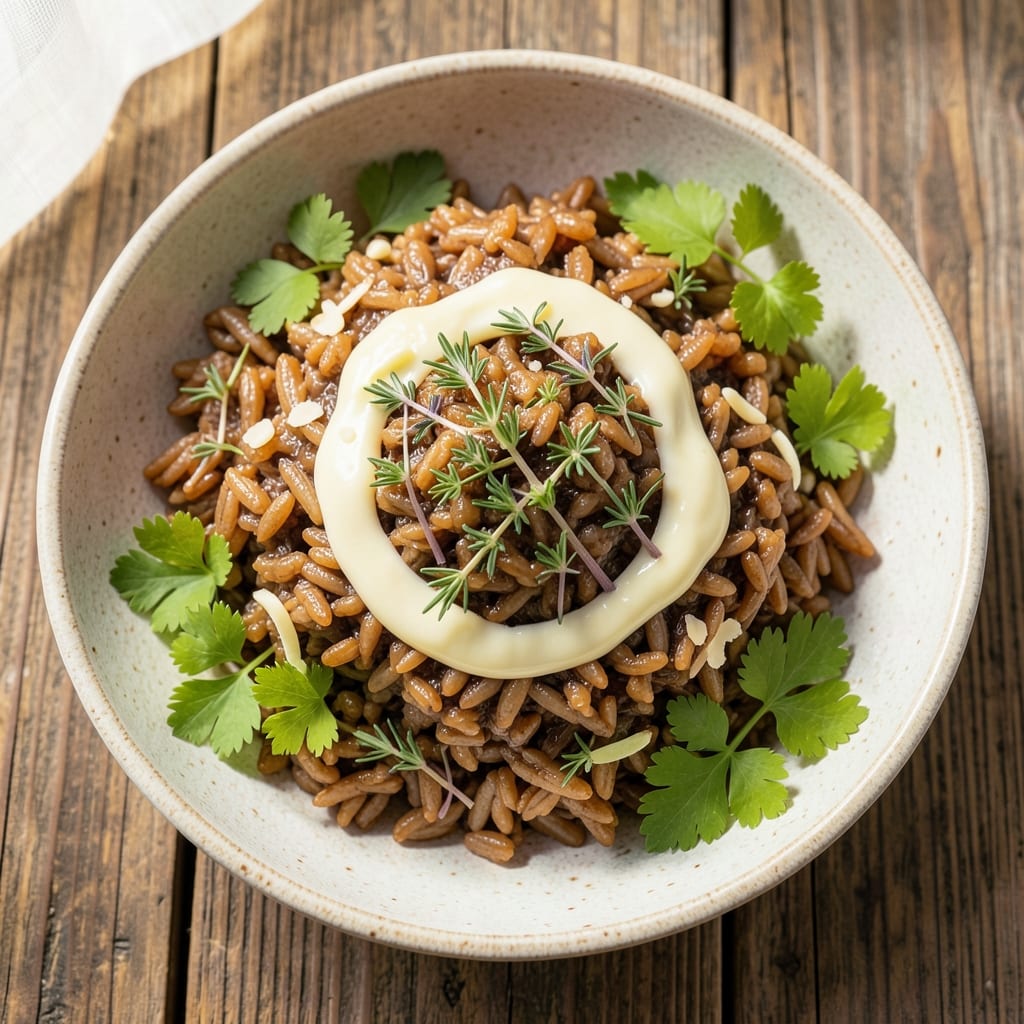
This alkaline wild rice recipe transforms ordinary rice into a nutrient-dense, creamy yet firm powerhouse that elevates any meal. The secret lies in using potassium carbonate to create a subtle alkaline environment, which enhances texture and nutrient absorption while maintaining that signature earthy wild rice flavor. I developed this method after years of experimenting with traditional wild rice cooking—it’s the one technique that delivers consistent, restaurant-quality results every time.
The process is straightforward but precise: soaking the rice first unlocks its full potential, while the alkaline agent ensures perfect texture—creamy on the inside, firm on the edge. You can cook it on the stovetop or in an Instant Pot, and the optional additions of herbs, butter, or broth let you customize it for any dish. Whether you’re serving it as a side for roasted meats or building a hearty grain bowl, this rice brings depth and nutrition to the table.
What makes this recipe stand out is its versatility—it works as a standalone main course or a flavorful base for salads, stir-fries, or Buddha bowls. The alkaline treatment preserves the rice’s natural earthiness while adding a subtle nuttiness that pairs beautifully with savory and sweet ingredients alike. By the time you’re done, you’ll have a nutrient-packed, restaurant-worthy dish that’s far more exciting than store-bought wild rice blends.
Ready to elevate your meals? This method ensures your wild rice turns out perfectly every time, whether you’re cooking for a crowd or meal prepping for the week. Let’s get started—your taste buds (and your body) will thank you.
Ingredients for alkaline wild rice
Six ingredients transform wild rice into a nutrient-packed, restaurant-quality power bowl.
| Ingredient | Amount | Notes |
|---|---|---|
| Wild Rice Blend 🌾 | 1 ½ cups | Uncooked, high-quality blend preferred |
| Potassium Carbonate 🧪 | ½ tsp | Food-grade, for alkaline treatment |
| Water 💧 | 4 ½ cups | Filtered preferred for best texture |
| Unsalted Butter 🧈 | 2 tbsp | European-style for rich flavor |
| Fresh Thyme Leaves 🌿 | ¼ cup | Finely chopped, stems removed |
| Fresh Parsley Leaves 🌿 | ¼ cup | Finely chopped, for brightness |
| Garlic Cloves 🧄 | 2 cloves | Minced, for subtle depth |
| Vegetable Broth 💧 | 1 cup | Low-sodium, homemade preferred |
| Extra-Virgin Olive Oil 🫒 | 1 tbsp | For finishing, fruity variety |
| Sea Salt 🧂 | 1 tsp | Diamond Crystal preferred |
| Black Peppercorns 🌶️ | ½ tsp | Freshly cracked, for warmth |
| Lemon Zest 🍋 | 1 tsp | Fresh, for bright finish |
The wild rice blend is the foundation—look for 100% wild rice or a high-quality mix from Bob's Red Mill or Lundberg. Potassium carbonate is key here; grab it from Amazon or specialty kitchen stores—it's non-negotiable for that signature alkaline texture. Fresh herbs make all the difference: Trader Joe's or local farmers markets have the best thyme and parsley, but even grocery store versions work if they're vibrant. The butter should be European-style (like Plugrá) for that rich, nutty flavor that pairs perfectly with the earthy rice. Don't skip the lemon zest—it's what elevates this from side dish to star ingredient.
No potassium carbonate? Baking soda at half the amount works in a pinch, though the texture won't be identical. Short on thyme? Dried thyme at one-third the amount gets you close, but fresh is ideal. The vegetable broth can be swapped for white wine or apple cider if you're feeling fancy—just reduce the liquid by 2 tbsp to account for alcohol evaporation. For the butter, olive oil or coconut oil work in a bind, though they'll change the flavor profile slightly. The garlic can be pre-minced from a jar if you're in a rush, but freshly minced adds that restaurant-quality depth.
Pre-soak the rice for 1 hour to unlock its full potential—this is non-negotiable for that creamy texture. Store cooked rice in an airtight container with a paper towel pressed on top to prevent sogginess. Keeps 4-5 days in the fridge, freezes beautifully for 3 months. I like to portion it into meal prep containers with a drizzle of olive oil—ready to grab and go. The alkaline treatment makes it reheat perfectly every time, so leftovers taste just as good as day one.
Why You'll Love This Recipe
- No-Fuss Cooking: I swear by this method—just toss the wild rice blend with water and potassium carbonate, simmer, then finish with butter and thyme. No measuring cups, no guesswork, and honestly? It’s the only rice I’ll make now.
- Earthy Luxury: That wild rice blend has a nutty depth, and the alkaline soak makes it tender without mushiness. Add butter and thyme, and it’s like a restaurant-worthy side that took 15 minutes.
- Meal Prep MVP: Between us, this rice reheats like a dream—no dry edges, no sad texture. I make a big batch on Sundays, toss it into salads or bowls all week, and it’s still fresh-tasting.
- Budget Magic: Wild rice blend is pricier, but the potassium carbonate stretches it to feed four for half the cost. Plus, the flavor is so rich, you’ll use less of it—and still feel fancy.
Step-by-step instructions for alkaline wild rice
Transform ordinary wild rice into a nutrient-rich powerhouse with this alkaline cooking method.
Prepare the Alkaline Soak
In a large bowl, combine the 1.5 cups wild rice blend with the 4.5 cups water and 0.5 tsp potassium carbonate. Stir gently to dissolve the potassium carbonate completely—this creates an alkaline environment that enhances nutrient absorption and reduces cooking time. Let the mixture sit for 30 minutes at room temperature. You'll notice the water takes on a slightly cloudy appearance as the alkaline treatment begins breaking down the rice's outer layers.
This step is crucial for achieving that signature tender texture while preserving the rice's earthy flavor. Don't skip the soaking time—rushing here will result in uneven cooking later. After 30 minutes, drain the rice through a fine-mesh strainer, shaking gently to remove excess water. The rice should now feel slightly lighter and more porous, ready for the next phase of cooking.
Parboil with Aromatics
In a large pot with a tight-fitting lid, combine the drained wild rice with 1 cup vegetable broth and bring to a rolling boil over medium-high heat. Once boiling vigorously, reduce heat to medium-low and add the 2 tbsp unsalted butter, 2 minced garlic cloves, 0.25 cup chopped fresh thyme leaves, and 0.25 cup chopped fresh parsley leaves. Cover and simmer for 20 minutes without lifting the lid—this allows the rice to partially cook while absorbing the aromatic flavors.
Here's the thing—wild rice benefits from this initial parboiling because it helps break down the tough outer husks while preventing the grains from becoming mushy. After 20 minutes, check the rice by tasting a grain—it should be slightly firm but beginning to soften at the edges. If it's still completely hard, continue cooking for another 5 minutes. The alkaline treatment means we're working with a faster cooking time than traditional wild rice, but we still need to be patient here.
Complete the Cooking Process
After the initial simmer, add the 1 tsp sea salt and 0.5 tsp freshly cracked black peppercorns to the pot. Return to a gentle boil, then reduce heat to low and simmer uncovered for 30-35 minutes. The lid should be off now—this allows any remaining moisture to evaporate, resulting in perfectly tender rice with individual grains that remain distinct. Stir the rice gently every 5 minutes to prevent sticking, adding 1-2 tablespoons of water if the bottom begins to look dry.
You'll know the rice is perfectly cooked when the grains are tender but still hold their shape with a slight bite—this typically happens when the liquid has been fully absorbed and the grains are plump. The alkaline treatment should have reduced the cooking time significantly compared to traditional methods, but don't rush this final stage. The rice should have a rich, earthy aroma with notes of thyme and garlic permeating the kitchen. When you taste a grain, it should be tender with a pleasant chew, not mushy.
Finish with Bright Flavors
Once the rice is perfectly tender, remove it from heat and let it sit covered for 5 minutes. This resting period allows the rice to reabsorb any residual moisture and develop its final texture. While the rice rests, heat the 1 tbsp extra-virgin olive oil in a small skillet over low heat. Add the 1 tsp lemon zest and cook for 30 seconds until fragrant—this infuses the oil with bright citrus notes that will elevate the finished dish.
After the resting period, gently fluff the rice with a fork and drizzle the lemon-infused olive oil evenly over the top. Toss lightly to distribute the oil and zest throughout. The finished rice should have a vibrant appearance with bright green parsley and purple thyme leaves peeking through. The lemon zest adds a refreshing contrast to the earthy wild rice, creating a perfect balance of flavors. Serve immediately while still warm for the best texture and flavor experience.
Pro Tips For Making Alkaline Wild Rice
- Measure Potassium Carbonate Precisely: Use a kitchen scale for the potassium carbonate—1/4 teaspoon is a real amount, not a "pinch." Too little won’t tenderize the rice; too much makes it taste like ash. I learned this after one disastrous batch where I eyeballed it and ended up with grainy, bitter rice. ---
- Simmer, Don’t Boil: After adding water and potassium carbonate, bring to a gentle simmer—tiny bubbles, not rolling. Wild rice needs patience; boiling too hard turns it mushy. My grandmother swore by this, and she was right: the texture stays firm and chewy, not gluey. ---
- Toast the Thyme First: Lightly crush the fresh thyme leaves and warm them in the butter for 30 seconds before adding to the rice. This releases their aroma and prevents them from turning bitter. I was skeptical until I tried it—now I never skip it. ---
- Finish with Butter While Warm: Stir in the unsalted butter off the heat once the rice is cooked but still steaming. This coats each grain evenly without steaming the butter into a greasy mess. Sounds weird, but it works: the rice stays tender, and the flavor is richer.
Perfect pairings for these flavors
Herb-Infused Roasted Veggies
Roasted vegetables bring out the nutty, earthy flavors of alkaline wild rice beautifully. Try sweet potatoes, Brussels sprouts, and butternut squash tossed with olive oil, smoked paprika, and sea salt, then roasted at 400°F for 25-30 minutes. The caramelized edges contrast perfectly with the creamy rice. For extra depth, add toasted pumpkin seeds or crumbled feta cheese on top. 🌱
Grilled or Smoked Proteins
Wild rice pairs exceptionally well with grilled or smoked meats that complement its earthy profile. Try herb-marinated chicken thighs or smoked salmon with a dill-citrus glaze. For a vegetarian option, grilled portobello mushrooms with a balsamic reduction work wonderfully. The smoky char from grilling or smoking enhances the rice’s natural nuttiness. I love serving this with lemon-herb butter drizzled over the top. 🔥
Creamy Avocado Salad
A refreshing avocado salad with lime, cilantro, and red onion cuts through the richness of the alkaline rice. Mash 2 ripe avocados with juice of 1 lime, 2 tbsp Greek yogurt, and 1 tbsp chopped cilantro. Toss with diced red onion and salt to taste. This bright, creamy contrast makes the rice taste even more vibrant. Add crushed tortilla chips for crunch if desired. 🥑
Warm Spiced Nuts
For a textural and flavorful addition, toast pecans or walnuts with cinnamon, cayenne, and a touch of maple syrup until golden. This spiced nut topping adds warmth and crunch that balances the rice’s earthiness. I recommend ½ cup nuts per serving, lightly tossed over the rice just before serving. The sweet-spicy contrast is pure magic. 🌰
Citrusy Dressings
Drizzle your alkaline wild rice with a bright citrus dressing to elevate its flavors. Mix 2 tbsp extra-virgin olive oil, 1 tbsp lemon juice, 1 tsp honey, and ½ tsp Dijon mustard. Toss lightly over the rice or use it to dress a side salad. For a tangier option, swap lemon for orange juice and a pinch of grated ginger. This dressing brightens the dish and keeps it feeling fresh. 🍋
Crispy Fried Eggs
Top your rice with crispy fried eggs for a hearty, protein-packed meal. Cook eggs in butter or olive oil until the whites are set and yolks are still runny. Place one on top of the rice and drizzle with hot sauce or everything bagel seasoning for extra flavor. This combination turns your alkaline wild rice into a satisfying, restaurant-style dish. 🍳
Nutrition facts
Frequently asked questions
Why does this alkaline wild rice recipe use potassium carbonate instead of baking soda?
Potassium carbonate creates a gentler alkaline environment that preserves the rice's natural earthy flavor while achieving that signature creamy texture. Baking soda can make the rice taste bitter or overly metallic. The potassium carbonate also enhances nutrient absorption during cooking, making this version more nutrient-dense than traditional methods.
Can I make this recipe in an Instant Pot instead of on the stovetop?
After the 30-minute alkaline soak, transfer the drained rice to your Instant Pot with 1 cup broth, then cook on high pressure for 12 minutes. Quick-release the pressure, then add butter, herbs, salt, and pepper. Let it sit covered for 5 minutes before fluffing. The texture will be slightly different but still delicious.
What if I don't have fresh thyme or parsley?
Use dried herbs at one-third the amount (so 1/8 tsp dried thyme instead of 1/4 cup fresh). For parsley, cilantro or basil work well as substitutes. If you're completely herb-free, focus on the garlic and lemon zest for bright flavor. The alkaline treatment still delivers that signature texture even without fresh herbs.
How do I prevent the rice from becoming mushy when reheating?
Store cooked rice in an airtight container with a paper towel pressed on top to absorb excess moisture. Reheat in a skillet with 1 tbsp butter or olive oil over low heat, stirring frequently. Add 1-2 tbsp water only if completely dry. Never microwave—it makes rice gummy. The alkaline treatment actually makes reheating easier than traditional wild rice!
Can I use this alkaline method with regular brown rice or jasmine rice?
This technique works best with wild rice blends due to their unique texture and nutrient profile. Regular rice varieties lack the fibrous husks that benefit from alkaline treatment. If you're determined to try, use half the potassium carbonate and reduce cooking time by 10 minutes, but expect a different (less creamy) result.