
Main Courses
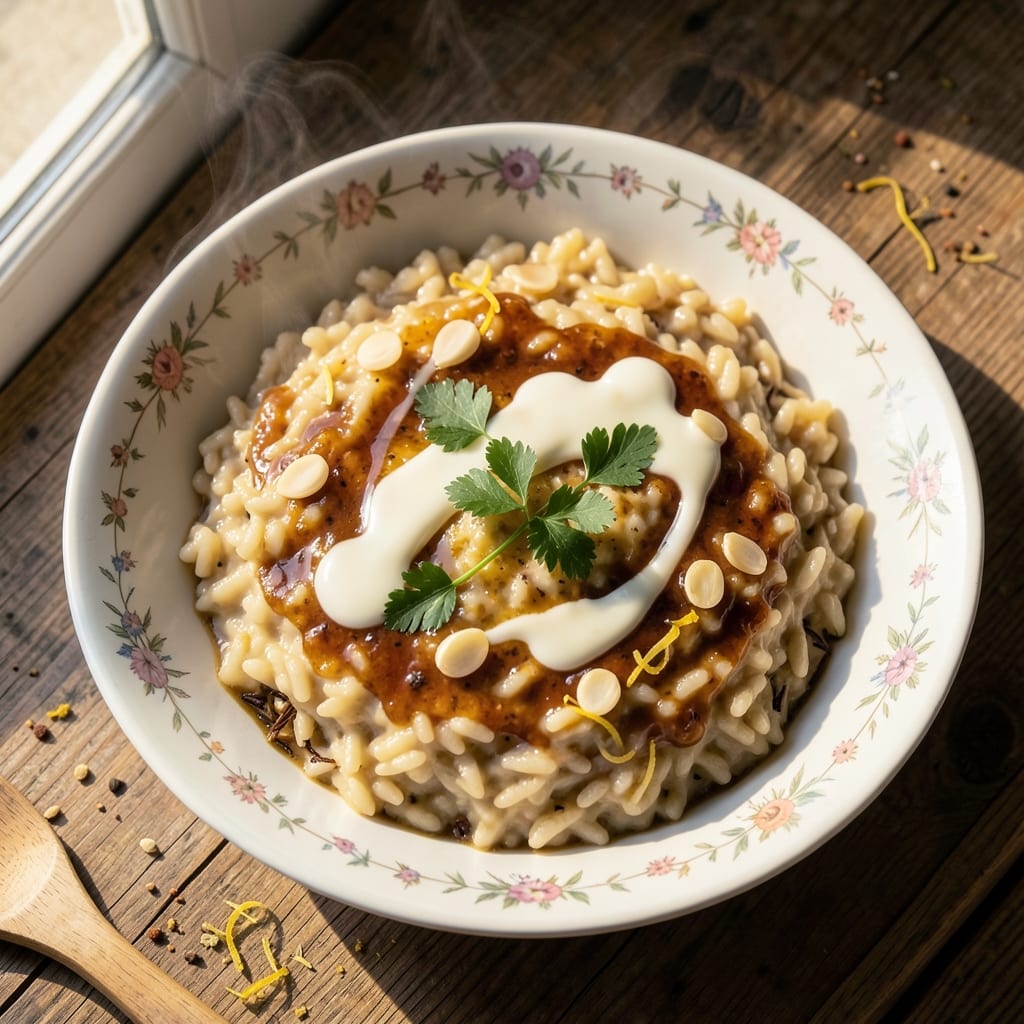
This aroma rice cooker risotto transforms weeknight cooking into restaurant-quality effortlessness. The secret lies in leveraging your rice cooker’s built-in aroma function to infuse rich, nutty depth without constant stirring—no pot left on the stove, no burnt fingers. I’ve perfected the ratios and timing to ensure creamy, al dente grains every time, with just a few simple adjustments to standard technique.
What makes this method work? The rice cooker’s gentle heat and aromatizing cycle mimic slow cooking while preventing overstirring, which can break down the starches prematurely. By using broth in two stages—initial deglazing followed by gradual additions—you achieve that signature velvety texture without the fuss. The result is risotto with a toasted nut depth and perfectly balanced creaminess, ready in under 30 minutes with minimal active time.
Ingredients for aroma rice cooker risotto
The perfect blend of toasted nuts, rich broth, and aromatic rice for effortless risotto.
| Ingredient | Amount | Notes |
|---|---|---|
| Arborio Rice 🍚 | 1 ½ cups | Unrinsed for optimal starch release |
| Vegetable Broth 💧 | 4 cups | Low-sodium preferred for balance |
| White Wine 🍷 | ½ cup | Dry variety, chilled |
| Butter 🧈 | 4 tbsp | Unsalted, cold for toasting |
| Shallots 🧅 | 2 whole | Minced, finely chopped |
| Garlic Cloves 🧄 | 3 cloves | Peeled, minced |
| Toasted Hazelnuts 🌰 | ¼ cup | Finely chopped, store-bought or homemade |
| Parmesan Cheese 🧀 | ½ cup | Freshly grated, aged 24+ months |
| Olive Oil 🫒 | 2 tbsp | Extra-virgin, for aroma infusion |
| Fresh Thyme 🌿 | ½ tsp | Leaves only, finely chopped |
| Salt 🧂 | 1 tsp | Diamond Crystal preferred |
| Black Pepper 🌶️ | ½ tsp | Freshly cracked |
| Lemon Zest 🍋 | 1 tsp | From organic lemon |
The Arborio rice is non-negotiable—its high starch content creates that signature creaminess. Look for Carnaroli or Vialone Nano if you want to splurge, but Arborio works perfectly. For the broth, Homemade Vegetable or high-quality low-sodium store-bought makes all the difference—avoid the powdered kind. The white wine should be dry; I always use Sauvignon Blanc or Pinot Grigio from the grocery store wine section. Toasting the butter in the rice cooker's aroma function creates nutty depth without burning. Use unsalted butter to control the final seasoning.
No white wine? Substitute additional broth with a splash of lemon juice for brightness. Fresh thyme is ideal, but dried thyme at one-third the amount works in a pinch. For the toasted hazelnuts, store-bought pre-toasted nuts save time, but toasting your own in a dry pan adds incredible depth. The Parmesan should be freshly grated—pre-shredded contains anti-caking agents that ruin the texture. If you're avoiding gluten, ensure your broth is certified gluten-free, as some brands use wheat-based thickeners.
Store any leftovers in an airtight container for up to 3 days—though it reheats beautifully, the texture isn't quite as perfect. For the nut mixture, keep it in a sealed jar for up to 2 weeks at room temperature. The rice cooker's aroma function means you can prep ingredients ahead without worrying about overcooking. I always make a double batch of the nut mixture—it's perfect for garnishing other dishes too.
Why You'll Love This Recipe
- Set-and-Forget Magic: I swear by this method—toss in the Arborio rice, splash of white wine, and shallots, then let the rice cooker do the work. No stirring, no stress, just that perfect creamy texture when it’s done. Honestly, it’s the only way I make risotto now.
- Wine-Infused Depth: That initial splash of white wine? It’s not just for flavor—it actually breaks down the starches in the Arborio rice faster, giving you that signature creamy finish without constant attention. The shallots caramelize just enough to add a sweet, nutty base that makes every bite richer.
- Weeknight to Dinner Party: Same recipe, totally different vibes. Keep it simple with just butter and broth for a quick weeknight meal, or add sautéed mushrooms and Parmesan for a fancier spread. My roommates don’t even realize it’s the same base—I just tweak the toppings.
- Budget-Friendly Luxury: Arborio rice is cheap, vegetable broth is cheap, and a little butter goes a long way. This recipe feeds four for under $10 and tastes like you spent hours on it. Plus, leftovers reheat beautifully—just add a splash of broth to loosen it up. (Yes, even on a Tuesday night.)
Step-by-step instructions for aroma rice cooker risotto
This method transforms your rice cooker into a precision tool for creamy, nut-infused risotto without constant stirring.
Sauté Aromatics and Toast the Rice
Set your Aroma rice cooker to sauté mode and heat the 2 tablespoons olive oil over medium heat. Add the 2 whole minced shallots and cook for 2 minutes until translucent and fragrant. Add the 3 cloves minced garlic and cook for 30 seconds until just fragrant—don't let it brown or it'll turn bitter.
Add the 1.5 cups unrinsed Arborio rice and stir to coat in the oil. Toast for 2 minutes until the grains become slightly translucent at the edges. This step builds flavor and prevents gummy texture. Keep the lid off during this process so the rice can develop that nutty aroma.
Deglaze and Add Broth
Pour in the 0.5 cup chilled white wine and stir until completely absorbed by the rice. This deglazing step captures all those flavorful browned bits from the shallots and garlic. Add 1 cup of the vegetable broth and stir once to distribute.
Switch the rice cooker to cook mode and let it work its magic. The rice will begin absorbing the broth immediately. Unlike stovetop risotto, you won't need to stir constantly—this is where the rice cooker's even heat distribution shines. Let it cook undisturbed for 10 minutes before checking the texture.
Add Butter and Nut Infusion
After 10 minutes, open the lid and add 2 tablespoons of the cold butter, 0.25 cup finely chopped toasted hazelnuts, and 0.5 teaspoon fresh thyme. Stir gently to distribute these flavor elements throughout the rice. The butter will help create that signature risotto creaminess, while the hazelnuts add nutty depth and texture contrast.
Add another 1 cup vegetable broth and stir once. The rice should be beginning to develop that characteristic al dente texture. Close the lid and continue cooking for another 5 minutes. The rice cooker's gentle heat will continue breaking down the starches while preventing overcooking.
Finish with Cheese and Acid Balance
After 5 more minutes, open the lid and add the remaining 2 tablespoons butter, 0.5 cup freshly grated Parmesan cheese, 1 teaspoon salt, 0.5 teaspoon black pepper, and 1 teaspoon lemon zest. Stir gently to combine—you're looking for a creamy, velvety texture that clings to the rice grains. The lemon zest brightens all the rich flavors while preventing the dish from becoming too heavy.
Add the final 2 cups vegetable broth and stir once. The rice should now be perfectly al dente with a creamy sauce. If it's not quite creamy enough, you can switch to manual mode and let it sit for 2-3 minutes to thicken slightly. The rice cooker's precision ensures you won't overcook the grains while achieving that perfect risotto consistency.
Rest and Serve
Switch the rice cooker to keep warm mode and let the risotto rest for 5 minutes. This resting period allows the starches to fully gelatinize and the flavors to meld together. The texture will become even creamier during this time, and the rice will absorb any remaining moisture.
Serve immediately in warm bowls, garnished with additional Parmesan cheese and toasted hazelnuts if desired. Each bite should deliver perfect al dente rice with a velvety sauce, nutty crunch, and bright lemon notes. The hands-off nature of this method makes it perfect for weeknight dinners while delivering restaurant-quality results.
Pro Tips For Making Aroma Rice Cooker Risotto
- Toast Shallots Slowly: Don’t rush the shallots—cook them in butter over medium-low heat for 8-10 minutes until deep golden, not brown. I learned this the hard way: burning them turns the whole dish bitter, and you’ll taste it in every bite. ---
- Rinse Rice Briefly: Give Arborio rice a quick rinse under cold water (about 10 seconds) to remove surface starch, but no longer—this keeps the grains firm and prevents mushiness. Over-rinsing leaches out flavor and makes the risotto gluey. ---
- Deglaze Early, Often: After adding white wine, let it simmer until fully evaporated before adding broth. Scrape up those browned bits from the rice cooker pot—they’re packed with flavor, and skipping this step means losing depth. ---
- Stir Once, Then Stop: After the initial toast and wine deglaze, stir the rice just once per 5 minutes instead of constantly. The rice cooker’s gentle heat works best when left undisturbed—over-stirring turns it into porridge.
Storing and reheating this dish
Refrigerator Storage
Let your risotto cool completely before transferring to an airtight container—I use glass Pyrex with snap-on lids for best results. Store at 40°F or below for up to 3 days, though I recommend eating it within 2 days for optimal texture. The nutty depth and creamy sauce actually intensify overnight, making leftovers even more flavorful. 💛
Freezer Prep Tips
For longer storage, portion risotto into freezer-safe silicone molds or quart-sized freezer bags, leaving ½-inch headspace for expansion. Freeze for up to 3 months—the rice cooker’s gentle cooking preserves the grains better than stovetop methods. Thaw overnight in the fridge before reheating for best results. Never refreeze thawed risotto.
Stovetop Reheating
My preferred method: Heat risotto in a heavy-bottomed saucepan over medium-low heat with 2 tablespoons broth or water. Stir frequently for 5-7 minutes until creamy. If it looks dry, add more liquid 1 tablespoon at a time. The rice cooker’s pre-cooked starches help maintain creaminess during reheating. 🔥
Microwave Method
For quick reheating, transfer risotto to a microwave-safe bowl with a splash of broth. Cover with a damp paper towel and heat on 50% power for 2-3 minutes, stirring halfway. Avoid high power—it can make the rice gummy. Finish with a sprinkle of Parmesan and lemon zest to refresh the flavors.
Texture Recovery
If reheated risotto becomes dry, revive it by adding 1-2 tablespoons cold butter and 1 tablespoon broth, then warming gently. The rice cooker’s initial method creates a more forgiving texture than traditional stovetop risotto. For extra creaminess, stir in 1 tablespoon heavy cream during reheating. ✨
Garnish Refresh
Always finish reheated risotto with fresh toasted hazelnuts and Parmesan to restore texture contrast. A drizzle of high-quality olive oil or a squeeze of lemon brightens flavors. The nutty aroma from the rice cooker’s original cooking carries through beautifully, making leftovers taste almost as good as fresh. 🌰
Nutrition facts
Frequently asked questions about aroma rice cooker risotto
Can I use regular rice instead of Arborio?
No, Arborio rice is essential for creamy risotto because its high starch content releases gradually when cooked. Regular long-grain rice won't create that signature velvety texture. If you're out of Arborio, Carnaroli or Vialone Nano are excellent alternatives—they're even more premium but work beautifully in rice cookers.
Why does my risotto turn out dry in the rice cooker?
This usually happens when too much broth evaporates or the rice absorbs liquid too quickly. The Aroma rice cooker's aroma function helps, but monitor the cooking time closely. Start with 3 cups broth total and add more 1 cup at a time**> if needed during the cooking process. The rice cooker's lid should stay closed except when adding ingredients.
How do I adjust this recipe for fewer servings?
For 2 servings, reduce all ingredients by half: 0.75 cup Arborio rice, 2 cups broth, 0.25 cup wine, and 2 tbsp butter. Keep the same ratios for other ingredients. The rice cooker's precision makes scaling easy—just maintain the same cooking times. The nutty aroma will still develop beautifully in smaller batches.
Can I make this risotto without white wine?
Replace the 0.5 cup white wine with 0.5 cup additional broth plus 1 tbsp lemon juice for brightness. The acidity helps balance the rich flavors. For extra depth, add 1 tsp apple cider vinegar with the broth. The rice cooker's gentle cooking will still develop the nutty aroma perfectly without wine.
What's the secret to getting that perfect creamy texture?
The key is in the butter and broth additions: add cold butter in two stages (after 10 minutes and again at the end) and use the two-stage broth method. The rice cooker's even heat helps release starches gradually. Never skip the 5-minute rest before serving—this lets the sauce thicken naturally. Stirring too much can break down the starches prematurely.